


How to Start Investing from Scratch: Step-by-Step Guide for Beginners

Financial notes and a chart on a tablet. Photo by AlphaTradeZone / Pexels License.
The first investment decision is deciding what the money is for. Savings for a bill due next year and money set aside for retirement have different timelines and can withstand different losses. Write down the goal, the date you expect to need the funds and what you could contribute without disrupting your budget. These answers will help you compare investment options.
What Investing Means and Why It’s Important
Investing means committing money to an asset with the expectation of income, growth in value, or both. The result depends on the asset, price, costs and market conditions. Over a long period, returns may help savings keep pace with inflation, but losses can also reduce the money available for a goal. The Investor.gov introduction to investing explains the main instruments and the trade-off between risk and potential return.
How Much Money Do You Need to Start Investing?
There is no universal minimum. Check the provider's account minimum, the instrument's minimum commitment and any transaction or currency fees. A $2 fee takes 4% of a $50 contribution before the investment changes in value. Small contributions may be practical when fixed costs are low and the money can stay invested for the intended period.
Types of Investments
Company equity provides exposure to business performance and market valuation. Bonds generally represent debt and carry risks tied to interest rates and the issuer's ability to pay. Pooled funds can provide exposure to several assets through one position. Cash and cash equivalents tend to fluctuate less in nominal terms, while inflation can erode their purchasing power.

Reviewing household expenses. Photo by Tima Miroshnichenko / Pexels License.
How to Start Investing from Scratch - Step-by-Step Guide
Compare investments against the goal and against each other. Decide in advance what would justify revisiting the plan.
- Define your goal. Write down the target amount, date and expected contributions.
- Check your cash needs. Consider emergency expenses, upcoming bills and debt payments before deciding how much can remain invested.
- Choose an allocation. Determine how much fluctuation you could absorb and compare funds or other instruments that fit that exposure.
- Review the provider. Check its regulatory status where applicable, along with the instrument terms, account costs, withdrawal process and tax treatment.
- Record the reason for each position and keep account statements.
Review the allocation if your goal or timeline changes.
Investment Tools Available for Beginners
A broad-market fund can simplify exposure across issuers, while a short-duration bond fund behaves differently when rates change. Account statements and fund fact sheets help you see the underlying assets and recurring costs. A spreadsheet can track goals, contributions and allocation. If comparing platform-based offers, Regolith's investment marketplace shows several categories with different liquidity, fees and terms.
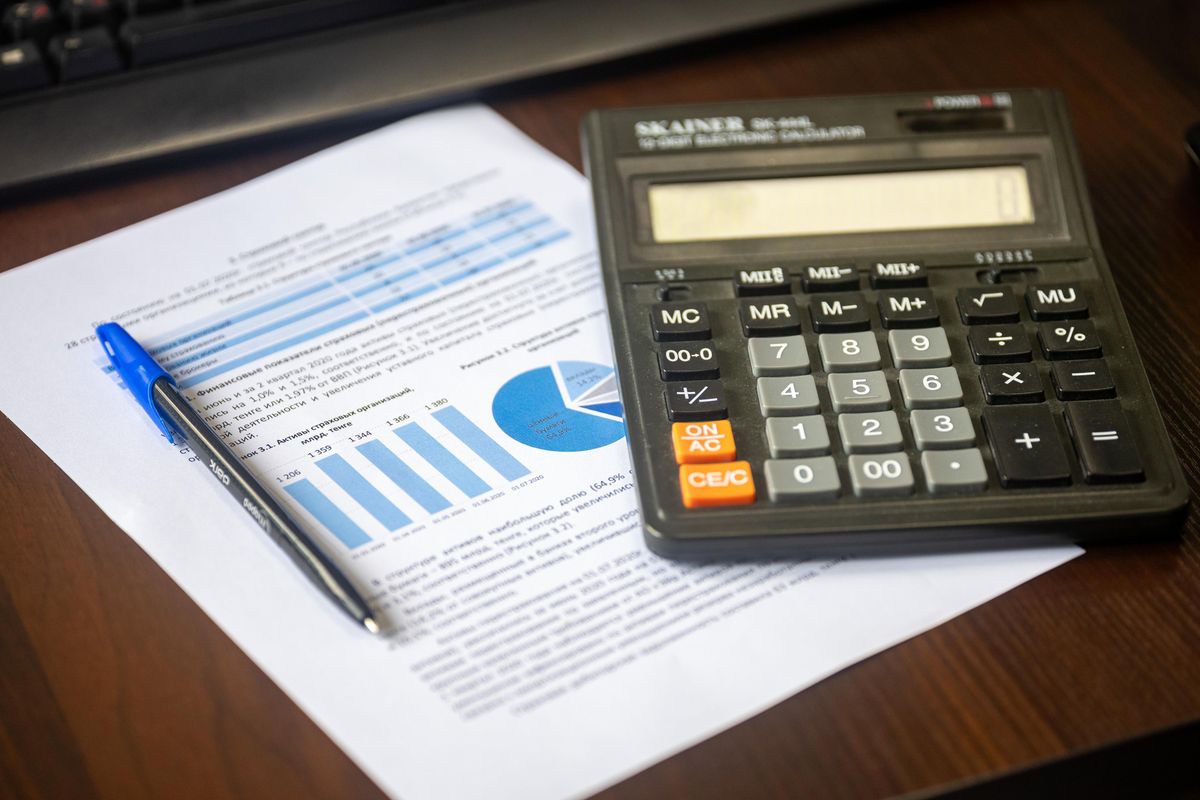
Financial paperwork and a calculator. Photo by Bia Limova / Pexels License.
Common Mistakes Beginner Investors Make
A common mistake is assuming a familiar company or a recent price rise makes a suitable investment. Two funds with different names can also hold many of the same companies. Check the exposures and compare total costs. Keep near-term spending needs in view when reviewing a portfolio after a sharp market move.
What Are the Risks in Investing
Market prices can fall, issuers can fail to meet obligations, and an asset may be hard to exit when you need the funds. Currency movements can change the result in your spending currency. Spreading exposure across issuers and asset classes can limit some sources of concentration, but broad market losses remain possible.
How to Start Investing Independently - Practical Tips
Keep a short record of your goal, time horizon, recurring contributions and review date. When evaluating a new position, ask what it adds to the current portfolio and what it costs to hold and exit. Revisit the plan when your income, spending needs or timeline change.
FAQ
Can I start investing with little money?
Some accounts and instruments accept small contributions. Compare minimums and fixed fees, and leave room in your budget for near-term expenses.
Do I need to follow the market every day?
That depends on your strategy. A long-term allocation can be reviewed on a planned schedule, with extra reviews when your goals or circumstances change.
Can I lose money in a diversified fund?
Yes. A fund can hold many securities and still decline when its market falls. Read the holdings and mandate to understand what risks remain.
