

Anthropic Sets Terms for IPO of Up to $64.35 Billion
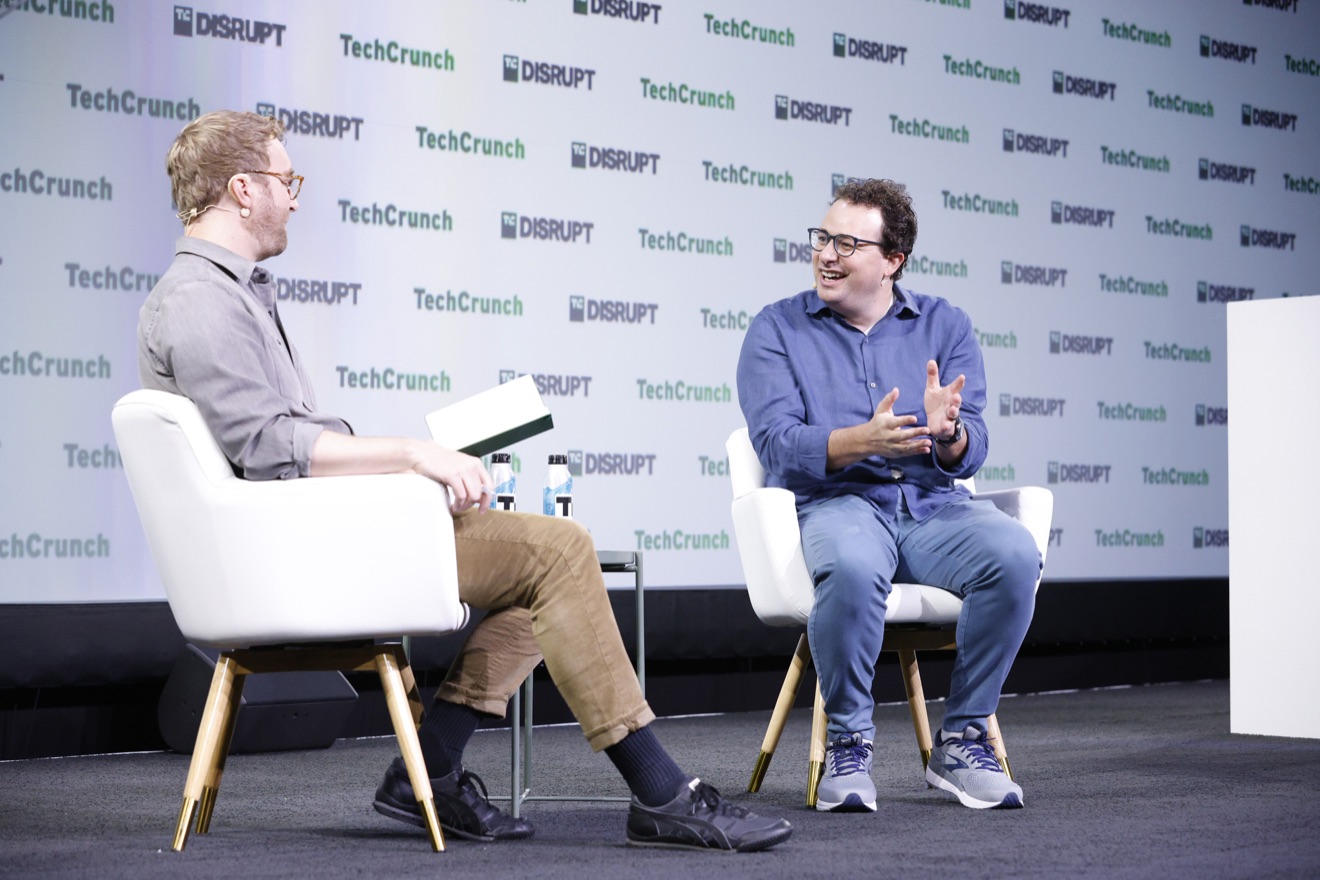
Anthropic CEO Dario Amodei at TechCrunch Disrupt 2023. Photo by Kimberly White / Getty Images for TechCrunch, CC BY 2.0.
Anthropic launched its Nasdaq IPO roadshow on November 10. The maker of Claude and its shareholders plan to offer 825 million shares at $70 to $78 apiece. At $78, the offering would total $64.35 billion and give Anthropic a market capitalization above $1 trillion.
In the same prospectus, Anthropic said it had met one of the thresholds in its safety policy. The company expects future models to materially accelerate AI research. That has a direct bearing on the business: faster development helps Anthropic release new products, while more extensive safety checks could raise costs and delay launches.
IPO Price and Listing Date
Anthropic, PBC has applied to list on the Nasdaq Global Select Market under the ticker ANT. CNBC reported that trading could begin around November 19. During the roadshow, management presents the offering to institutional investors. The underwriters, led by Goldman Sachs and Morgan Stanley, will use the orders they receive to help set the final price.
At the proposed range of $70 to $78, the deal would total $57.75 billion to $64.35 billion before fees. Anthropic is issuing about 801.35 million of the 825 million Class A shares, and existing shareholders are selling the remaining 23.65 million. At $78, Anthropic would receive about $62.5 billion, with roughly $1.84 billion going to the selling shareholders. The prospectus also gives the underwriters a 30-day option to buy up to 123.75 million additional shares.
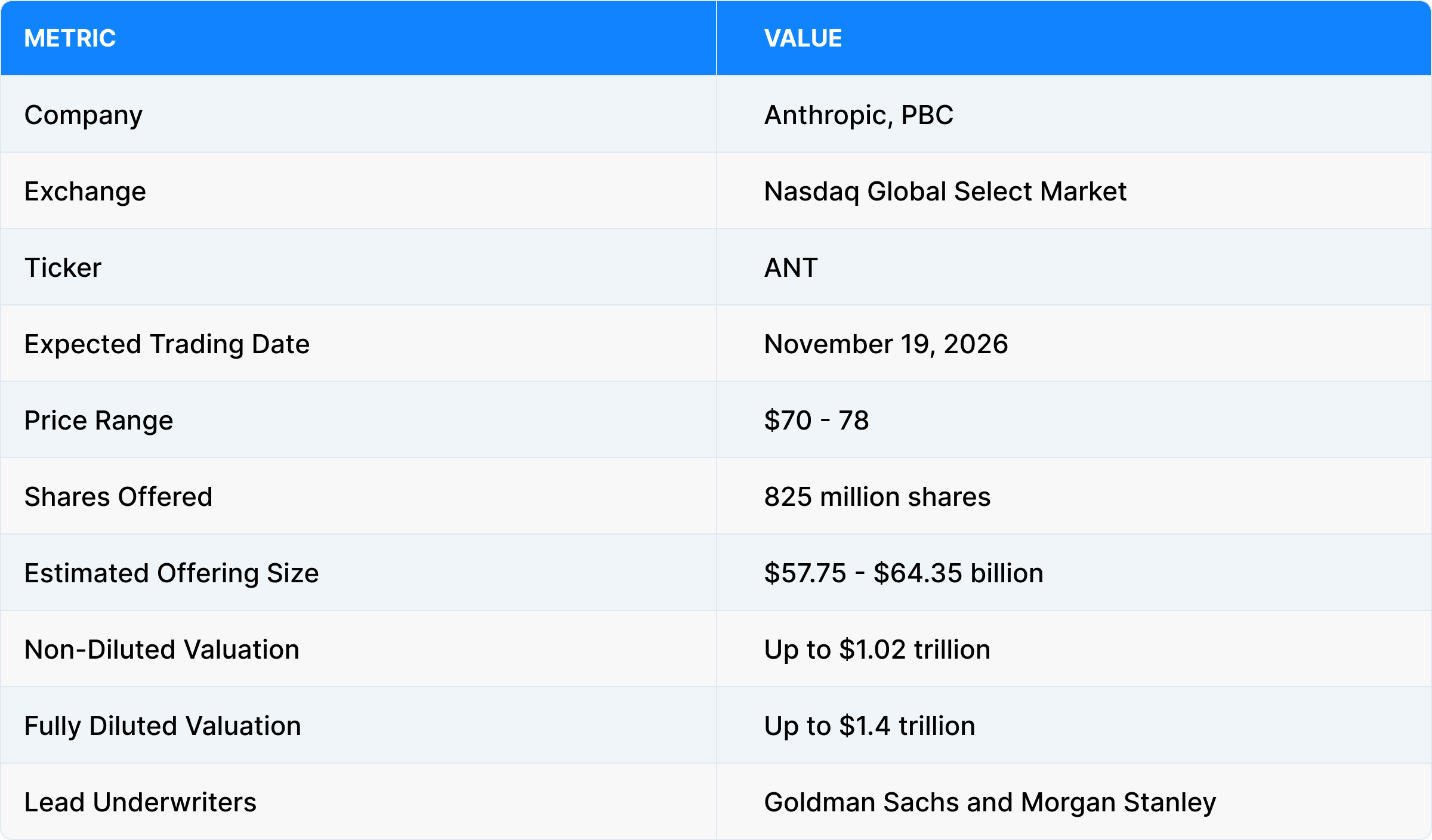
Preliminary Anthropic IPO terms.
The prospectus shows that all the shares offered by existing shareholders will come from Anthropic’s seven co-founders. Each plans to sell about 3.38 million shares. At $74, the midpoint of the proposed range, that would amount to about $250 million per founder before fees.
The proposed terms changed even before the roadshow. Reuters reported that banks received a preliminary document on November 9 proposing roughly 867 million shares at $70 to $80. That version was withdrawn. As of November 12, $70 to $78 remained the latest published range. Anthropic had yet to announce a final offer price.
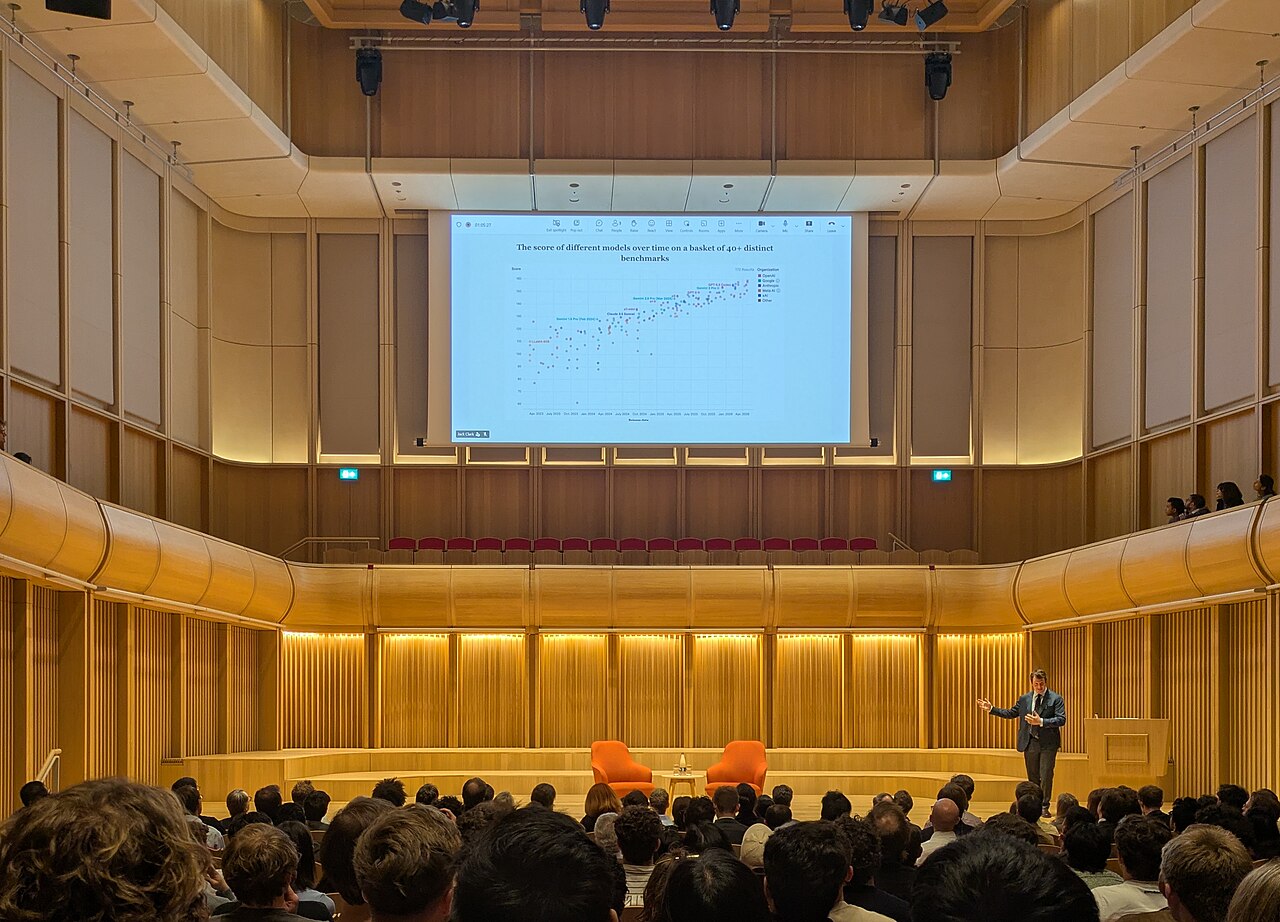
Anthropic co-founder Jack Clark gives a talk on AI at the Schwarzman Centre in Oxford, May 2026. Photo by Mvolz / Wikimedia Commons. CC0 1.0.
The Trillion-Dollar Valuation
In May, Anthropic raised $65 billion at a $965 billion post-money valuation. Reuters calculated that a $78 offer price would imply a market capitalization of about $1.02 trillion after the IPO. The fully diluted valuation reaches about $1.4 trillion after accounting for options and other instruments that could increase the share count.
On November 11, Axios compared the IPO terms with investor expectations from a few months earlier. Investors had envisaged a valuation of around $2 trillion, roughly $600 billion above the current fully diluted figure.
That $1.4 trillion figure is roughly 17 times Anthropic’s October annualized revenue. At that valuation, much depends on how many customers keep increasing their spending on Claude and how much of that revenue Anthropic can retain after paying for infrastructure and development.
The Deal With Tech Partners
Immediately after the IPO closes, Anthropic plans a separate $26 billion placement of non-voting Class N shares at the IPO price. According to the prospectus, Google and NVIDIA will invest $10 billion each, and AMD will invest $2.5 billion. Broadcom, Micron and Microsoft will invest $1 billion each, with TSMC contributing $500 million. Google’s purchase funds part of an earlier investment commitment.
Some participants play several roles. Google invests in Anthropic and provides cloud capacity, while its Gemini models compete with Claude. NVIDIA supplies AI accelerators and is putting its own capital into the model developer. These partnerships help Anthropic secure equipment and reach enterprise customers, while making the business more sensitive to decisions made by its suppliers.
How Claude Became a Business
Dario and Daniela Amodei founded Anthropic in 2021 with a team of former OpenAI employees. The company introduced Claude in 2023. Today it sells consumer subscriptions, API access and enterprise products. Customers use the API to build Claude into their own products and can access the models through cloud platforms they already use.
Claude Code helps engineers understand unfamiliar projects, write code and test changes. A developer can start with a single task and later bring the tool to the entire team. Anthropic describes a similar pattern among larger customers, with initial deployments spreading to other departments and workflows.
By the end of September, Anthropic had more than 11,900 customers that each generated at least $100,000 in revenue over the preceding 12 months, up from more than 950 a year earlier. More than 1,900 customers generated at least $1 million each. Customers above the $100,000 threshold accounted for about 74% of trailing 12-month revenue. The rate at which large customers expand their use of Claude helps explain the company’s overall growth.

UK Secretary of State Peter Kyle visits Anthropic’s San Francisco office in October 2024. Photo by Alecsandra Dragoi / Department for Science, Innovation and Technology. CC BY 2.0.
Claude for Office Teams
On November 10, Anthropic introduced Claude Sheets for collaborative spreadsheets, Whiteboards for brainstorming and Claude Data for reporting on company data. Adobe and Atlassian integrations let teams work with those services directly in Claude. Anthropic also announced Claude Meetings, which will take notes on calls and update shared documents.
That same day, Anthropic signed an agreement with two U.S. teachers’ unions, the AFT and UFT. Student and educator data may be used only for authorized educational purposes. Schools control how long their data is kept and when it is deleted, while educators retain responsibility for instructional and other consequential decisions about students.
Revenue and Losses
In the first nine months of 2026, revenue climbed to $33.2 billion from $2.5 billion a year earlier. Anthropic’s operating loss narrowed to $1.3 billion from $5.2 billion. The quarterly figures show how that growth evolved. Revenue reached $4.73 billion in the first quarter, $11.56 billion in the second and $16.96 billion in the third. Sequential growth slowed from about 144% to 47%, while the company still added $5.4 billion in sales in the third quarter alone.
As of October 31, Anthropic put its annualized revenue run rate at approximately $81 billion. This figure reflects the pace of sales at a specific point in time. Reported revenue, expenses and cash flow show how the business performed over the full reporting period.
Operating cash flow turned positive, reaching $6.6 billion in the first nine months of 2026. In the same period a year earlier, operations used $2 billion in cash. Anthropic accounts separately for equipment purchases and other infrastructure investments in its prospectus. Investors will need to look at both parts of the cash flow statement to see how much capital the business can generate for further expansion.
The Cost of Computing Power
Anthropic pays for computing capacity at two stages. It uses it to train models, then to run those models as customers submit requests, call tools and hand off tasks that require several steps. Compute and infrastructure expenses rose from $5.56 billion in the second quarter to $9.86 billion in the third, outpacing revenue growth over the same period.
Reuters reported that Anthropic had about $895.4 billion in future infrastructure and compute commitments. Around $69.8 billion falls in the 12 months following September 30, 2026, and nearly half of the total is scheduled through the end of 2030. These are multiyear commitments that include services and leases. By reserving capacity now, Anthropic is counting on future demand for Claude to justify the scale of those purchases.
If customers use AI more heavily for coding and other demanding tasks, Anthropic can put more of that capacity to work and generate more revenue. If customers switch providers more often or model prices fall, the company could be paying for the same infrastructure while earning less per unit of compute. That makes revenue per dollar of computing expense worth watching.
Claude in Model Development
Anthropic says Claude wrote more than 90% of contributions to the company’s codebase in September. Engineers use the model to do work they previously handled by hand. They can assign a task and then review the result. The company that builds Claude has become one of the heaviest users of its own product.
Independent research organization METR estimated that the pace of improvement on selected benchmarks had accelerated by roughly 1.9 times, with an estimated range of 1.5 to 2.8 times. METR said the result depends on the benchmarks and methodology, and some of the data was withheld from the public report.
The threshold disclosed in the prospectus can also be met when Anthropic expects AI capabilities to advance at a specified rate. The company based its determination on projections for future models and the broader pace of research. If testing and safeguards take longer, release schedules could shift. Launch timing has financial consequences for a business that earns revenue by selling access to new models.
Anthropic’s updated Claude usage policy took effect on November 12. It clarifies requirements for high-risk uses in health and finance, adds controls for systems that take autonomous actions in the physical world and brings restrictions on deceptive campaigns using fake accounts and websites into one section.
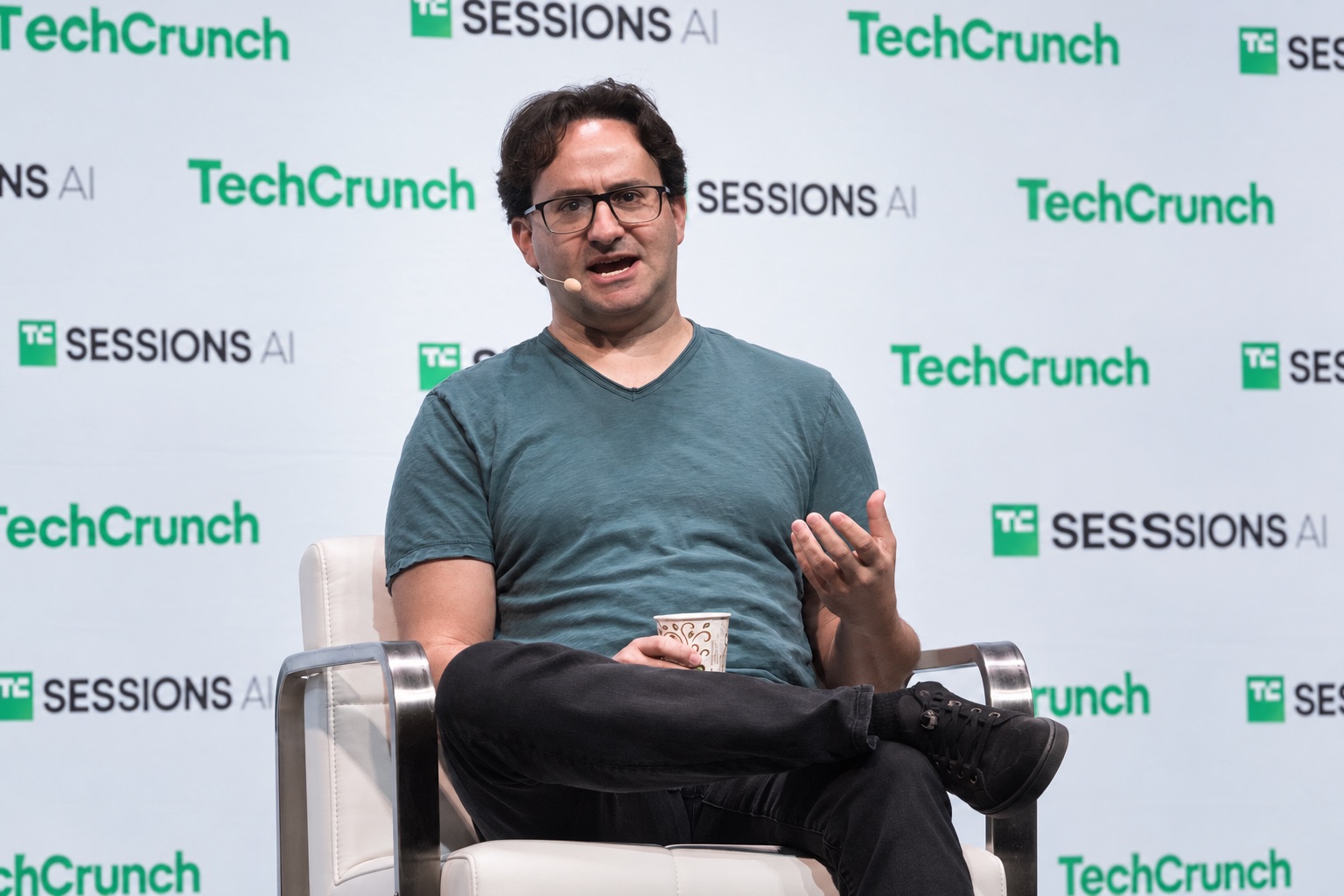
Anthropic co-founder Jared Kaplan at TechCrunch Sessions AI in Berkeley, June 2025. Photo by Nicole Henderson / TechCrunch. CC BY 2.0. Landscape adaptation by Regolith.
Who Controls Anthropic
Anthropic is a public benefit corporation. Under the structure disclosed in the prospectus, the founders’ Class F shares collectively carry 50.1% of the voting power on matters generally put to shareholders while the special rights of that class remain in force. Class T shares held by the Long-Term Benefit Trust give it the right to elect a majority of the board.
The Nasdaq listing is for Class A shares. Their holders will have voting rights, with limited influence under the proposed capital structure. That matters when assessing who will set the company’s strategy if plans for a commercial release diverge from the safety team’s findings.
What ANT Trading Will Show
Before the IPO, Anthropic’s valuation was shaped by private funding rounds and secondary transactions. Once shares begin trading, the market will put a price on Claude’s prospects every day. That will give other AI developers a reference point for fundraising and put Anthropic’s business performance under regular scrutiny.
In the first few months, the share price will also depend on how many shares are available to trade. The prospectus sets out resale restrictions for certain existing holders, with exceptions that could bring some shares to market sooner. The first quarterly results after the IPO will show how enterprise sales are tracking against infrastructure spending and how much cash remains after Anthropic invests in computing capacity.
How to Participate in the Anthropic IPO
You can submit a preliminary application for the Anthropic IPO on Regolith with a minimum application amount of $100. If the offering proceeds and an allocation is granted, shares will be purchased at the final IPO price within the allocated amount. See the offer page for application details and current terms.
