

SpaceX Shares Recovered to $150 on Strong Starlink Growth and Expanding AI Ambitions
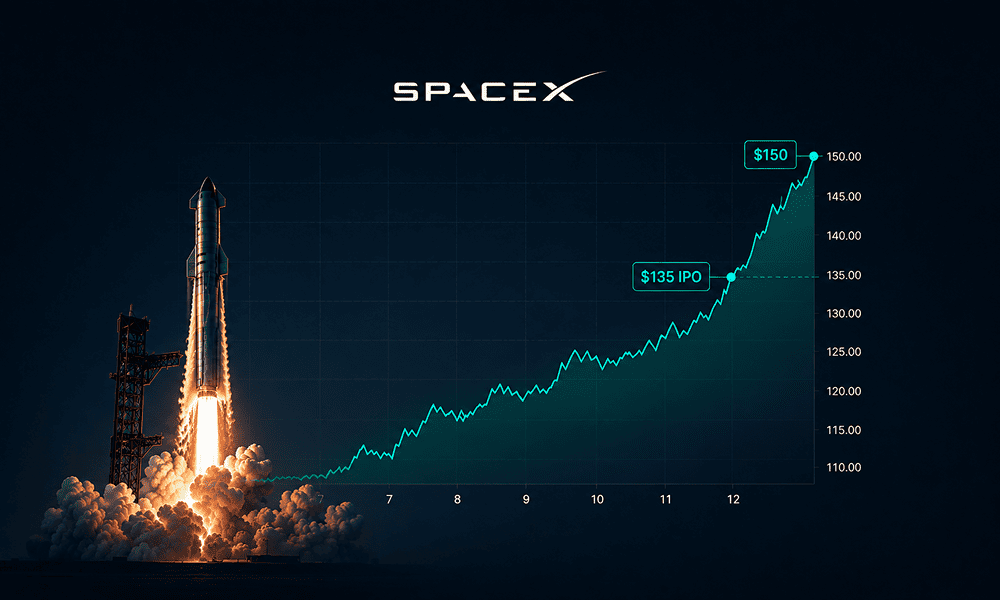
After several weeks of decline, SpaceX shares not only moved back above the $135 IPO price, but also came close to the $150 mark. On August 12, the stock gained about 10% and closed at $148.44. From its early-August lows, the recovery has already exceeded 30%.
This time, several factors supported the move. The first major share unlock passed without the sell-off many investors had expected, Starlink continued to scale, SpaceX outlined new plans for AI infrastructure and Grok, and Morgan Stanley separately noted that the market may still be undervaluing the company’s AI business.
Back Above $135
After its June 12 IPO, SpaceX shares initially moved sharply higher. The offering price was $135, the first trades took place at around $150, and within days the stock reached a high of $225.64.
A correction followed. By the end of July, the shares had lost roughly half of their value from the peak and fell into the $108–110 range. Additional pressure came from the first major share unlock. On August 6, one stage of the post-IPO selling restrictions expired, making about 911 million shares available for sale by their holders. The market feared that employees and early investors would start taking profits and sharply increase the supply of shares.
That did not happen. On August 7, SpaceX gained about 16% and closed at $133.11. On August 10, the recovery continued with another 4.2% gain to $138.74. For the first time in several weeks, the stock was back above its IPO price. At the same time, retail investors became net sellers of SpaceX shares for the first time since the offering, with net sales of about $4.5 million on August 7. Despite this, the stock continued to rise, suggesting that demand from other market participants absorbed the selling.
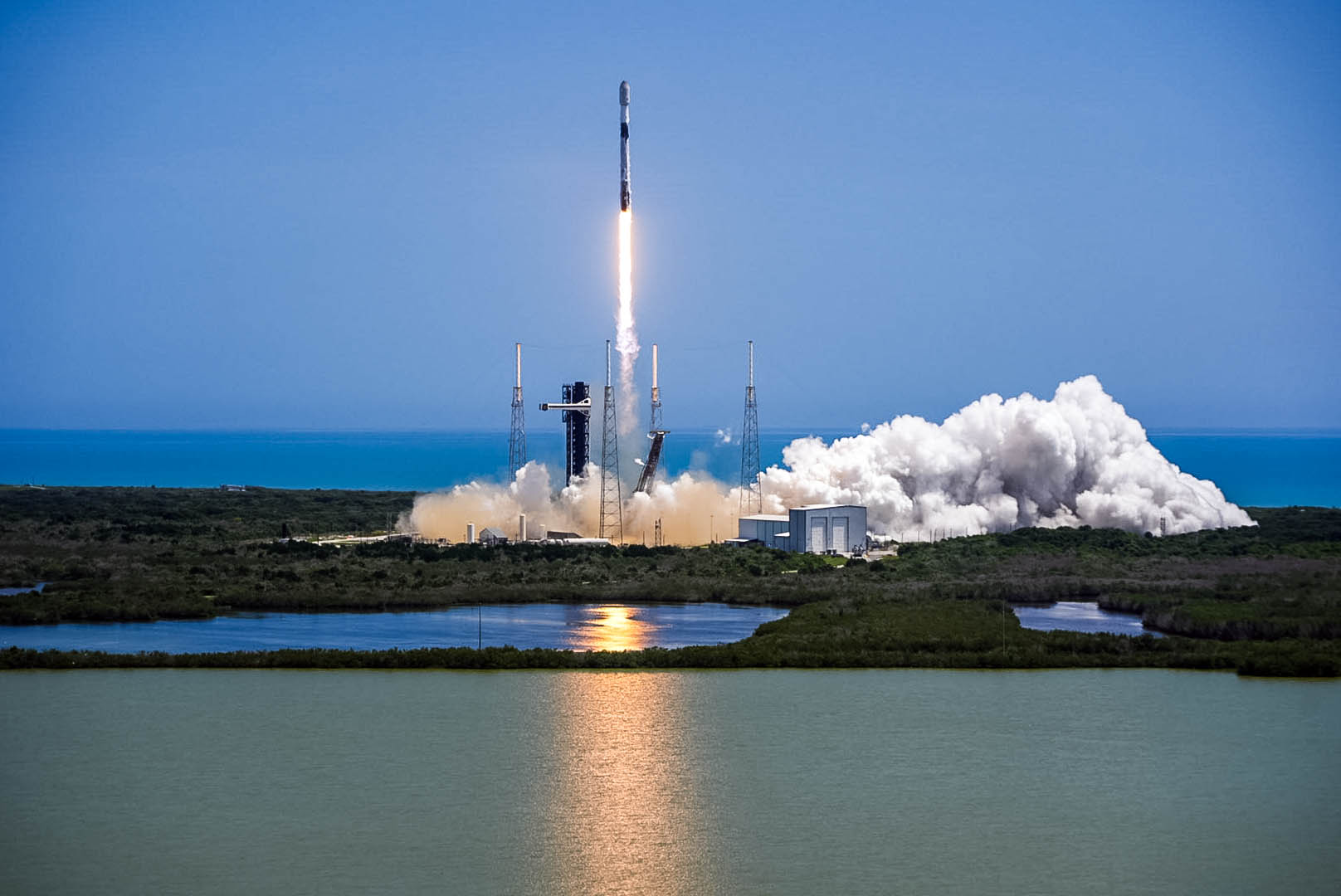
SpaceX rocket launch from a launch site. Source: SpaceX.
The Next Level – $150
The recovery accelerated on August 12. SpaceX shares gained another 10% and closed at $148.44, nearly returning to the $150 level. That level matters because although the IPO was priced at $135, public trading on June 12 began at around $150. Returning to this level means the stock has already recovered a significant part of its recent decline.
The shares are still well below their June high of $225.64. For now, the move looks more like a recovery in demand following the sharp correction and first share unlock than a return to previous peak valuations. The key difference this time is that the rebound now has several fundamental drivers behind it.
New Growth Drivers
Starlink Growth
One of the main updates came from Starlink. According to Elon Musk, the service now reaches around 22 million mobile subscribers through partnerships with telecom operators using direct-to-cell satellite connectivity.
This is separate from Starlink’s traditional satellite internet service based on dedicated terminals. SpaceX is gradually expanding the network toward broader mobile connectivity, where satellites can connect ordinary smartphones through partner carriers.
The Starlink constellation itself also continues to expand. In one of its latest missions, Falcon 9 launched another 24 satellites into orbit. Starlink remains SpaceX’s largest source of revenue. In the second quarter, the Connectivity segment generated about $4.29 billion, while the company continued expanding across consumer, enterprise, and government markets.
AI Expansion
Another catalyst came from SpaceX’s new plans in artificial intelligence.
At an employee meeting, Musk said the company aims to increase its AI computing capacity to 10 GW by 2027. According to his estimate, that could represent roughly 20% of total AI compute capacity in the US.
The target shows how far SpaceX’s ambitions now extend beyond Starlink and space launches. The company is simultaneously building its own computing infrastructure, providing capacity to large customers, and expanding the Grok model family.
AI has already become a separate business line for SpaceX. In the second quarter, the segment generated around $2.56 billion in revenue, while adjusted EBITDA reached $1.15 billion, compared with a loss a year earlier.
Grok 4.6
The release of Grok 4.6 provided another boost. The new version is designed in part for longer and more complex agentic tasks and arrived only a month after Grok 4.5. In independent benchmarks, the model improved on the previous version and moved closer to leading solutions from OpenAI and Anthropic.
SpaceX is also continuing to compete on price. Grok 4.6 costs $2 per million input tokens and $6 per million output tokens, below the pricing of several other major models.
The company is also developing autonomous AI agents and gradually turning Grok from a standalone product into part of a broader ecosystem.
Grok 4.6 announcement. Source: official Grok account on X.
Morgan Stanley’s View
Morgan Stanley added another positive signal for the market. Its analysts believe investors may still be undervaluing SpaceX’s AI business. In the bank’s current model, the entire AI segment accounts for only about $12 of value per share.
At the same time, SpaceX is expanding several connected areas – its Grok models, computing infrastructure, and developer tools.
Morgan Stanley is paying particular attention to Cursor. SpaceX is preparing to integrate the AI coding editor with its own ecosystem and Grok models. This could give the company a vertically integrated AI platform spanning computing capacity, proprietary models, and software tools for developers and enterprise customers.
Morgan Stanley therefore believes that as more results emerge from Grok, the compute business, and Cursor, the contribution of AI to SpaceX’s overall valuation could be reassessed. In the bank’s view, the market currently sees SpaceX largely as a provider of computing capacity to major customers. Its own AI products could eventually change the economics of this business significantly.
The Next Share Unlock
The first major unlock on August 6 passed more smoothly than the market had expected. But the supply of shares available for sale will continue to increase.
The next important stage is expected on August 20, when another group of shareholders will become eligible to sell. An unlock does not mean that all available shares will immediately hit the market. However, employees and early investors gain more flexibility in managing their positions, so investors will be watching trading volumes closely after that date.
Regolith clients follow a separate lock-up schedule:
- IPO positions – until September 14;
- pre-IPO positions – approximately until December 9.
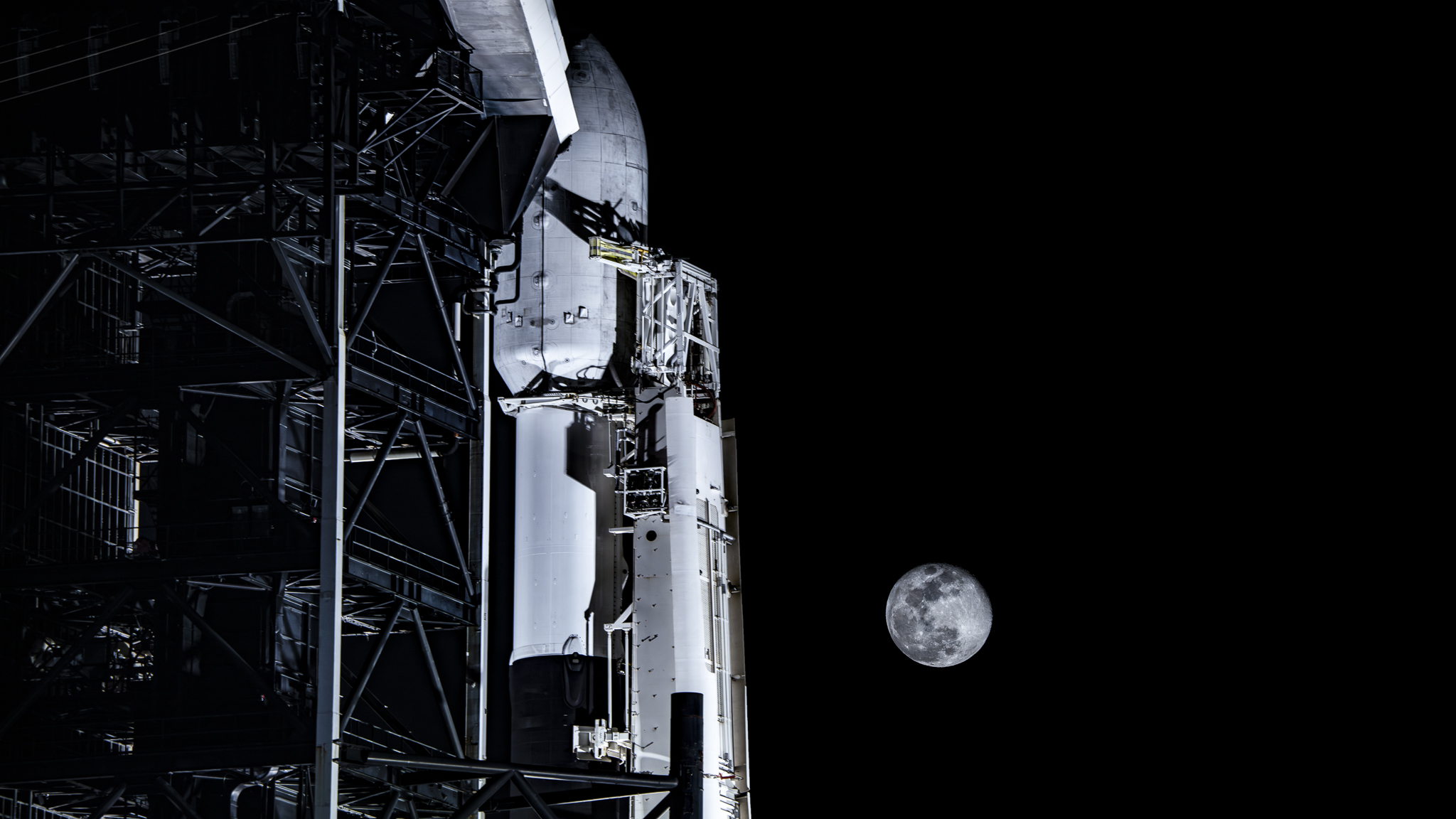
SpaceX rocket before launch. Source: SpaceX.
SpaceX by the Numbers
After the August 12 close:
- Share price: $148.44
- IPO price: $135
- Gain from IPO price: about +9.96%
- Post-IPO high: $225.64
- Regolith pre-IPO price: $15.90
- Gain from the pre-IPO price: more than +830%
What Comes Next
Just a week ago, the market was concerned that the first major post-IPO unlock could put additional pressure on SpaceX shares. That sell-off did not happen, and the stock quickly recovered from around $108 to nearly $150.
Attention is now shifting toward the company’s next growth drivers. Starlink continues to scale, SpaceX is expanding its AI business and developing Grok, while Morgan Stanley sees the possibility that AI’s contribution to the company’s current valuation remains underestimated.
In the near term, investors will be watching two things – whether the stock can hold above $150 and how the next share unlock on August 20 plays out. Beyond that, the focus will increasingly return to the underlying business – the growth of Starlink, AI, and SpaceX’s newer products.
This material is provided for informational purposes only and does not constitute investment advice.
