

SpaceX at $171.92: Why Morgan Stanley Maintains Its $300 Target
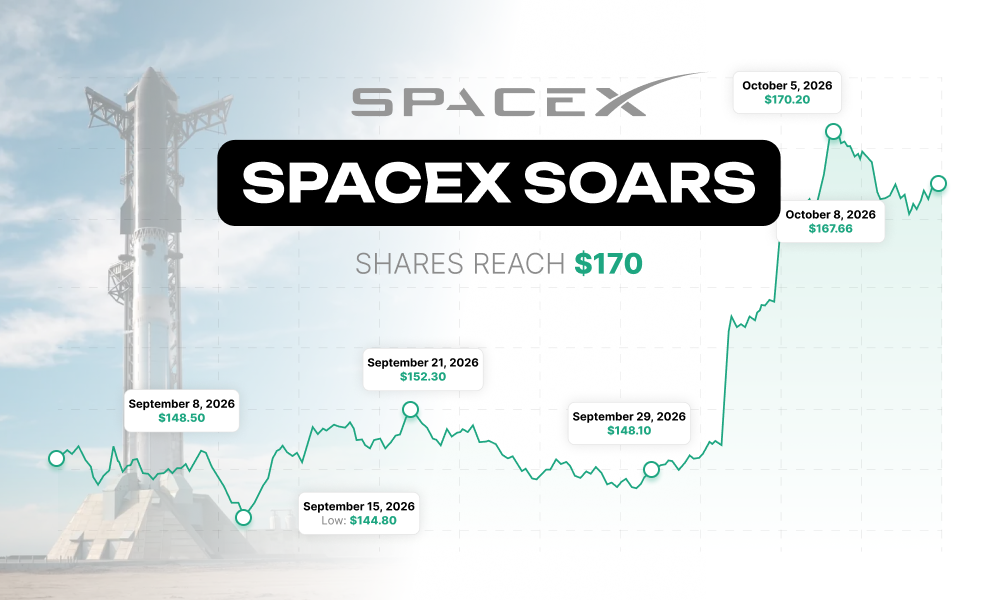
SpaceX shares rose following Morgan Stanley’s positive assessment and news of talks with the world’s largest contract chipmaker. These developments reflect the expansion of AI infrastructure and plans for Terafab, a semiconductor manufacturing project.
On October 5, SpaceX shares gained 7.63%, closing at $171.09. The rally continued the following day, with the stock ending the October 6 session at $171.92.
Two developments drew investors’ attention. Morgan Stanley analyst Adam Jonas maintained his $300 price target, while Elon Musk confirmed discussions with TSMC regarding Terafab. Both stories concern computing capacity, as the market assesses the role SpaceX could play in artificial intelligence infrastructure.
$171.92 – Closing price on October 6
$300 – Morgan Stanley’s price target
+74.5% – Upside to the price target
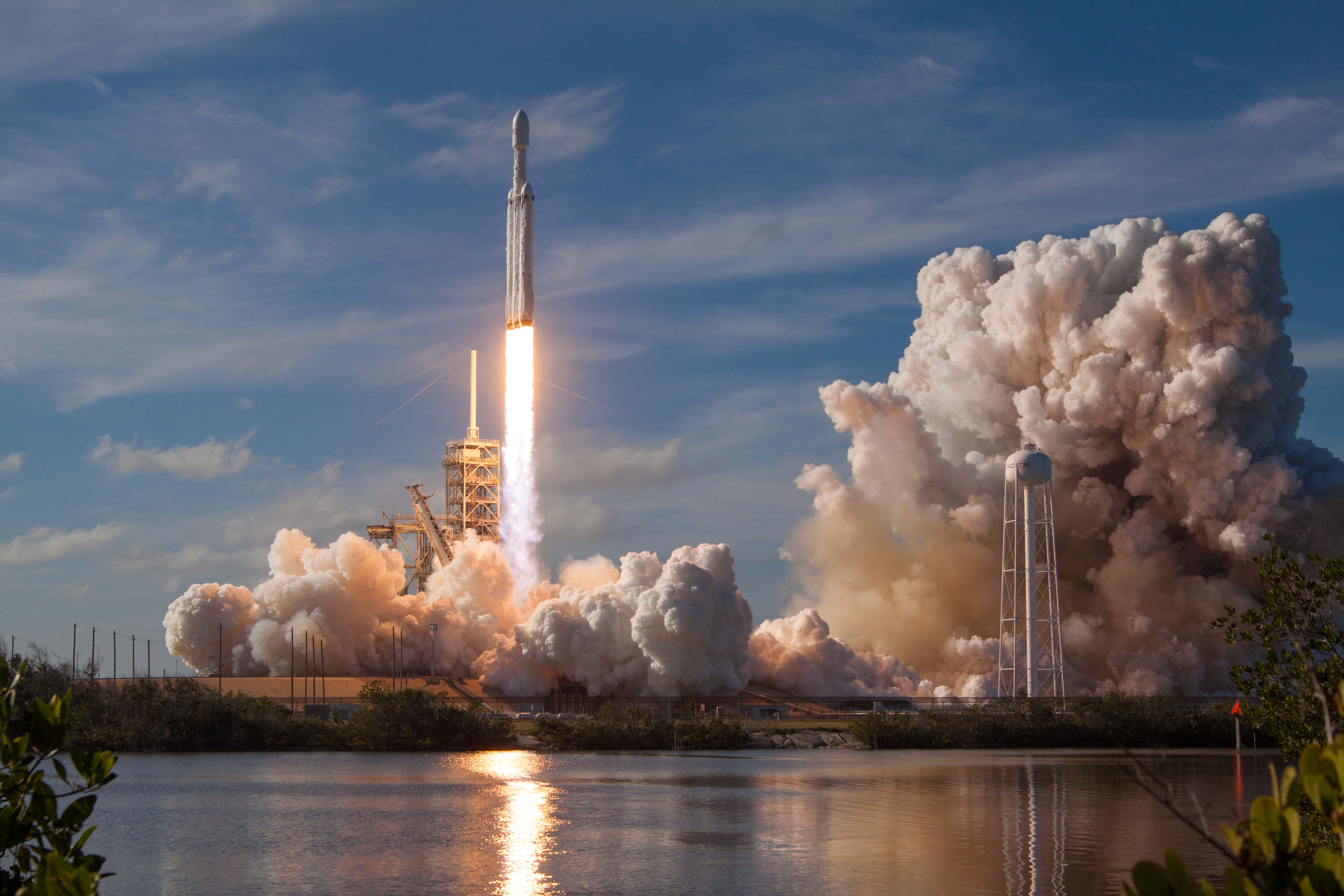
Falcon Heavy’s first launch, February 6, 2018. Photo: SpaceX · CC0.
Morgan Stanley’s Price Target: From Initiation to October
Morgan Stanley initiated coverage of SpaceX on July 7, 2026, assigning a $300 price target and an Overweight rating. The rating signaled the bank’s expectation that the shares could outperform the benchmark used by its analysts.
A price target estimates what a share could be worth if the assumptions in an analyst’s model materialize. For SpaceX, the target is well above the current share price: a rise from $171.92 to $300 would represent approximately 74.5% upside. Reaching that level depends on business development, the company’s performance and market conditions.
The shares had already experienced significant volatility over the summer. According to the Associated Press, they closed at $114.92 on August 6 after a sharp decline the previous day. At the time, investors were discussing the expiration of one phase of the lockup – a period during which some shareholders are restricted from selling their shares. Jonas maintained his $300 target then as well.
The October update continued that stance, with Morgan Stanley reaffirming its existing target. Jonas believes the market does not fully account for SpaceX’s expected growth when comparing it with major AI companies. The prospects for its computing business play a significant role in that assessment.
Investors need to distinguish between established operations and future projects. Launch services, satellite communications and computing infrastructure have different timelines, costs and revenue sources. The more a valuation depends on future growth, the more sensitive the share price may be to changes in expectations.
SpaceX’s AI Business: Growth Prospects
Artificial intelligence requires hardware to train models and process user requests. Expanding these systems calls for chips, servers, electricity, cooling and facilities to house them. A shortage of any of these components can slow development even when demand for AI services is strong.
In Morgan Stanley’s investment model, SpaceX’s growth potential comes from the combination of its space business, communications and computing. This assessment helps explain why semiconductor news can affect the company’s shares alongside the results of rocket launches.
The scale of the plans alone, however, does not determine future profits. Assessing the computing business will require clarity on how much the company invests, when the capacity comes online, who will use it and how much revenue it generates. These measures will connect the technology plans to financial results.

NVIDIA H100 accelerators. Still from a review by 极客湾Geekerwan, 2023 · CC BY 3.0. Shown as an example of computing hardware.
Musk’s TSMC Talks: What Has Been Confirmed
Musk confirmed on X that discussions with TSMC were underway, adding that they might lead to something. His wording indicates that the parties are still in talks. The post did not disclose the terms of TSMC’s involvement, investment amounts or specific commitments by either party.
TSMC, or Taiwan Semiconductor Manufacturing Company, manufactures semiconductors for other companies. The customer designs a chip’s architecture and functions, while the manufacturer provides the process needed to produce it. This model allows chip designers to develop new products without building their own fabrication plant.
For Terafab, TSMC’s expertise is particularly relevant to manufacturing. Taking a chip design into volume production is a separate challenge that requires suitable technology, equipment, materials and consistent quality. Cooperation with an experienced manufacturer could therefore help turn the project’s plans into operational capacity.
The form any cooperation might take remains open. Further assessment will require details of TSMC’s specific role: which technologies, services or facilities could be involved, and on what terms. Until those details emerge, TSMC’s participation in Terafab remains a possibility.
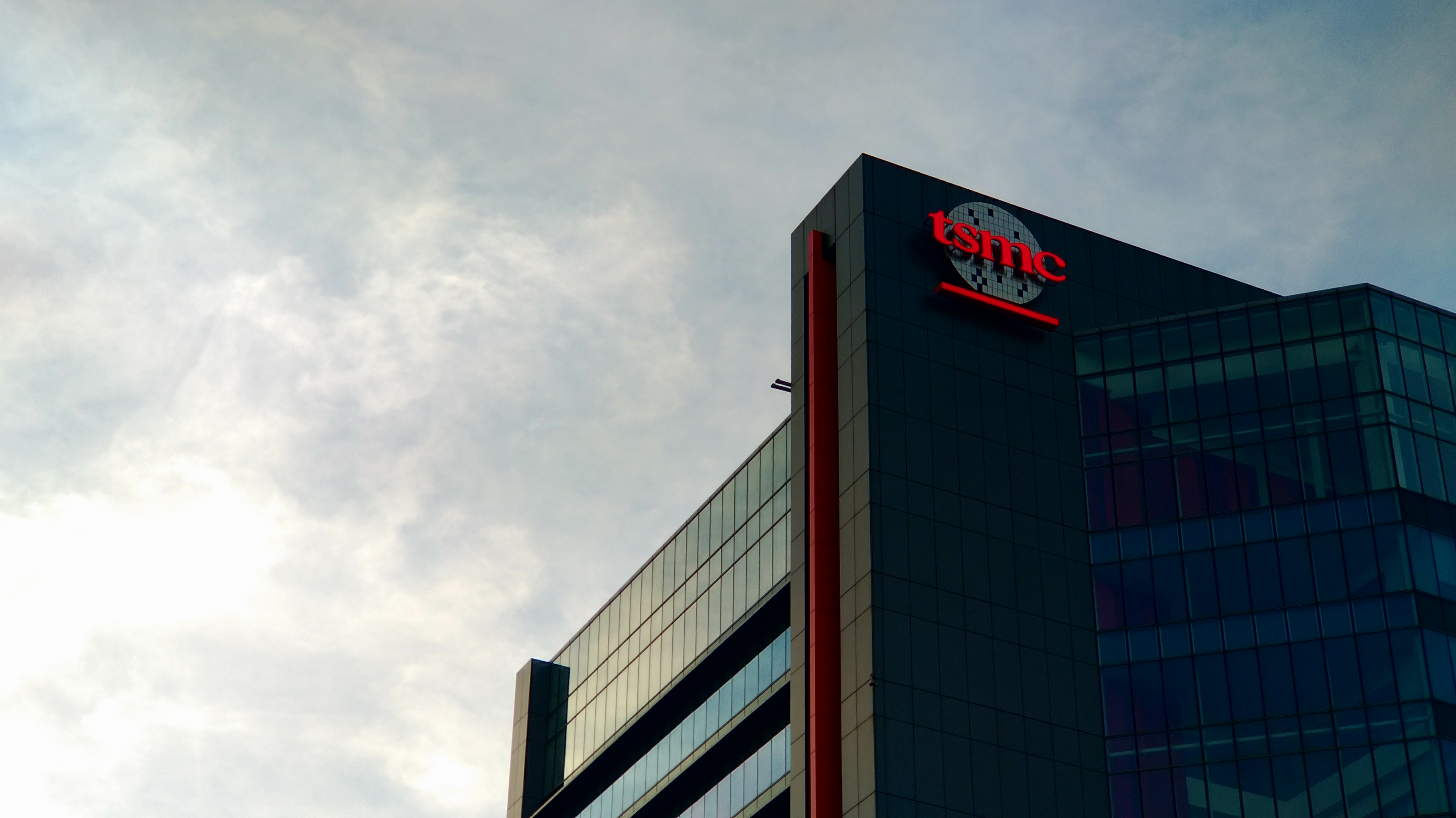
TSMC logo on a factory in Taichung, Taiwan, June 25, 2020. Photo: Briáxis F. Mendes (孟必思) · CC BY-SA 4.0.
Terafab: Chip Manufacturing for Musk’s Companies
Terafab is a semiconductor manufacturing project introduced by SpaceX and Tesla in 2026. In August, SpaceX announced that the facility would be located in Grimes County, Texas. The company estimated capital investment in the first phase at approximately $16.8 billion and said it planned to create at least 3,000 jobs.
The project is intended to bring together logic chip production, memory manufacturing and advanced packaging. Logic chips perform computations, memory stores data, and packaging combines individual components into a finished product. Bringing these stages together should help align their development with customers’ needs.
SpaceX attributes the initiative to the expected growth in computing demand at both SpaceX and Tesla. Manufacturing its own chips could give the company greater control over delivery schedules and hardware specifications. This matters for AI infrastructure: delays in chip deliveries can postpone the launch of new computing capacity.
Intel joined Terafab in April. In its financial disclosure, the company said it had become a strategic partner to SpaceX, xAI and Tesla and intended to contribute expertise in the design, manufacturing and packaging of high-performance chips. The discussions with TSMC introduce another potential avenue for cooperation.
Building a fabrication plant requires substantial investment before any finished products emerge. The next step is to establish reliable production, with output volumes, quality and the cost of each usable chip all playing a role. Terafab’s financial impact will therefore depend on how successfully the project moves through these stages.
SpaceX’s Next Milestones After the Rally
Assessing SpaceX’s prospects will require both results from its existing businesses and concrete milestones for new projects. For Terafab, this means greater clarity on timelines, budgets, partners and production objectives. In the TSMC discussions, the next meaningful step would be disclosure of the terms of cooperation, if the parties reach an agreement.
Infrastructure spending is another important factor. A company can expand rapidly while committing a large share of its funds to equipment and construction. Investors will need to weigh the pace of expansion against future cash flow and funding requirements.
The October share price movement shows the market responding to new assessments and business developments. Morgan Stanley’s reaffirmed target and the TSMC talks support investor expectations. The company’s subsequent results will help establish whether those expectations are justified.
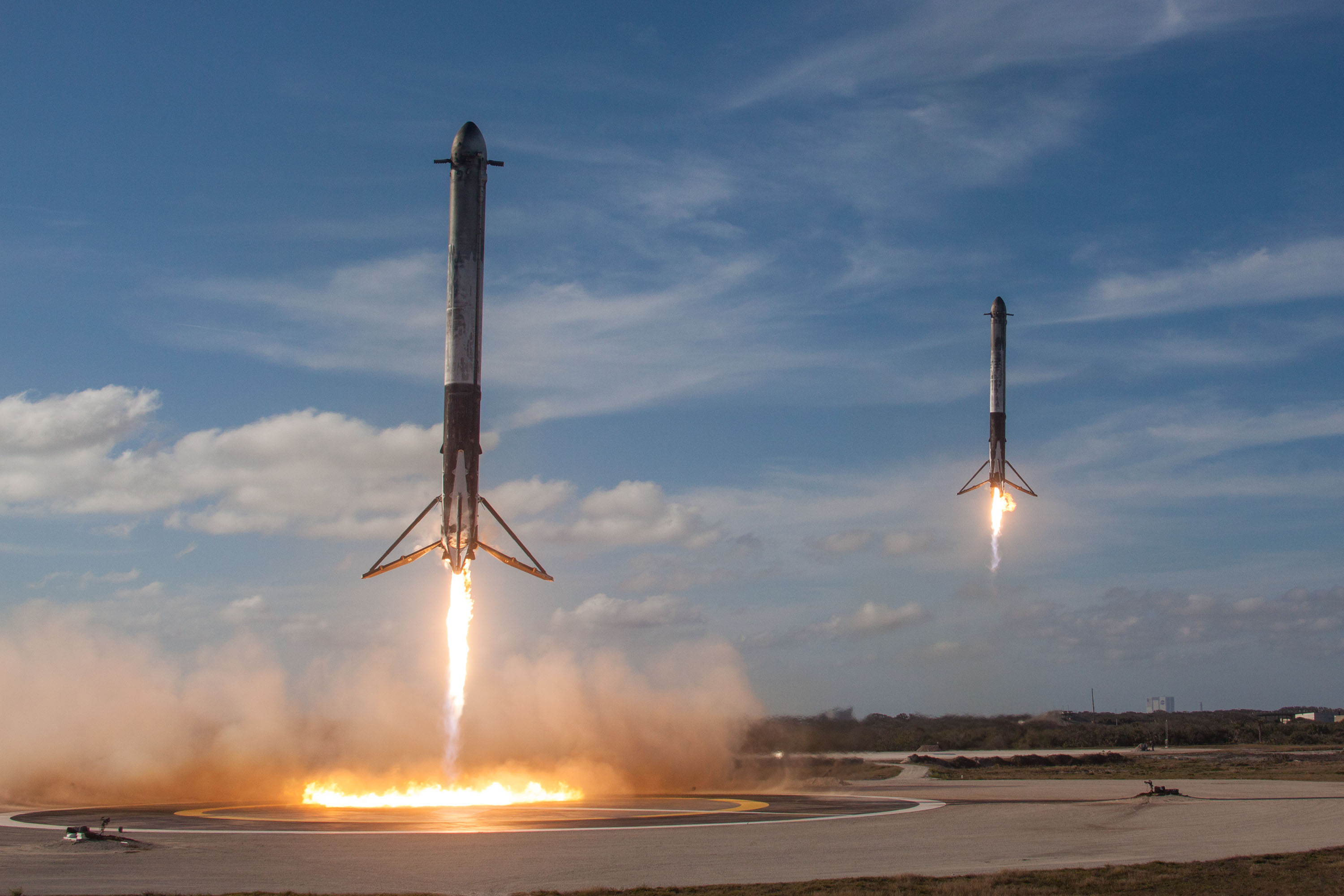
Landing of two Falcon Heavy side boosters, February 6, 2018. Photo: SpaceX · CC0.
SpaceX in Regolith’s Portfolio
Regolith invested in SpaceX at the pre-IPO stage on April 1, 2022, at $15.90 per share.
At the close of trading on October 6, 2026, the stock was priced at $171.92, representing a gain of 981.26% from the entry price. The share price reached approximately 10.81 times the original purchase price.
This figure compares the quoted share price with the purchase price. The result of a sale will depend on the price at the time of the transaction, fees and applicable terms.
The next milestone for Regolith investors is the expected expiration of the SpaceX pre-IPO lockup in December. The share price may change by then, so the outcome will be assessed based on the terms of the actual sale.
