

TRON Staking Fund Update: 62.6% Over 15 Months and How the Strategy Works
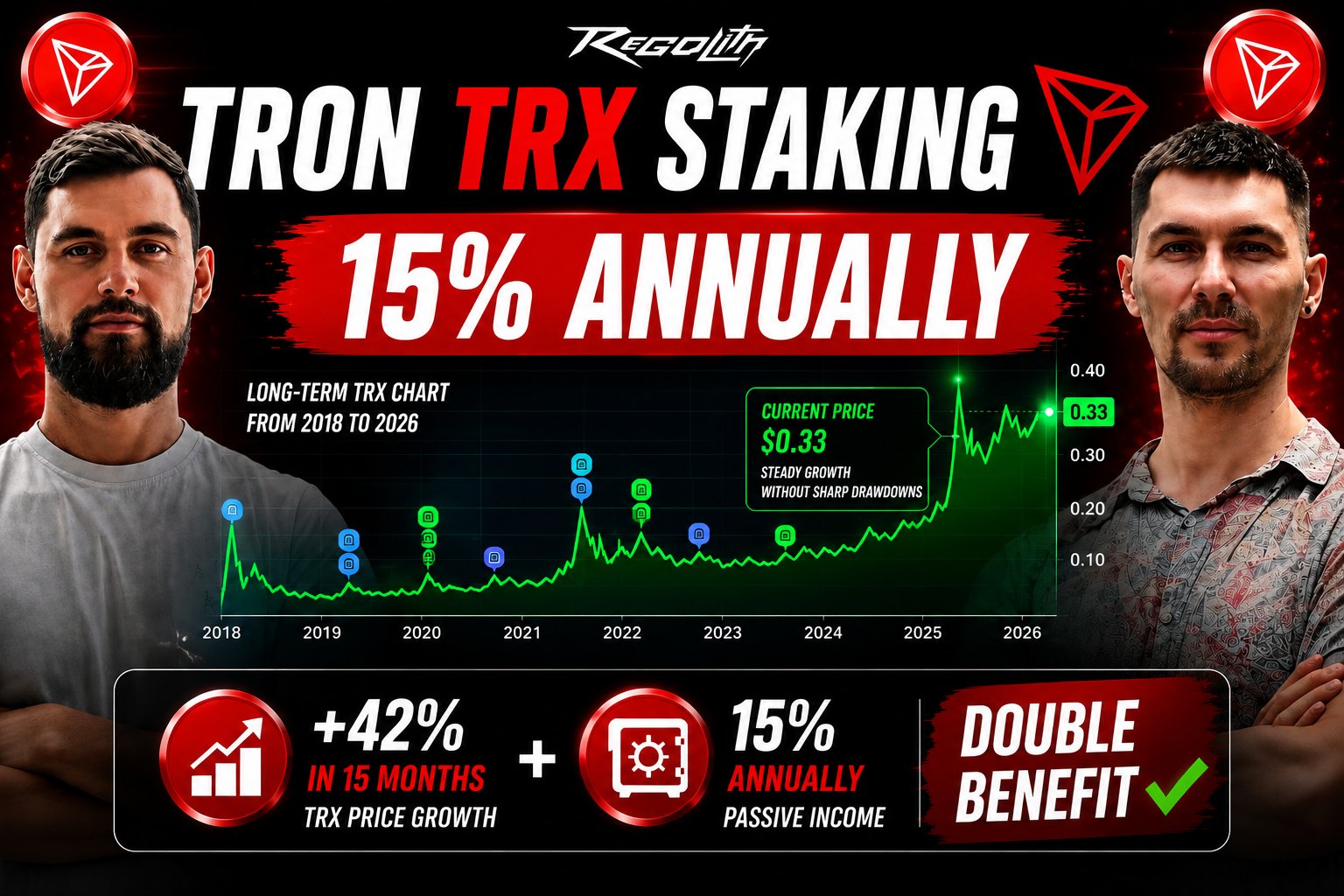
TRON Staking Fund has been operating for 15 months. In this update, we look at the fund’s latest results, how the strategy generates returns, and the key factors supporting demand for TRON network energy. We also explain how TRX staking works and what investors should know about the fund’s mechanics.
Fund Results Over 15 Months
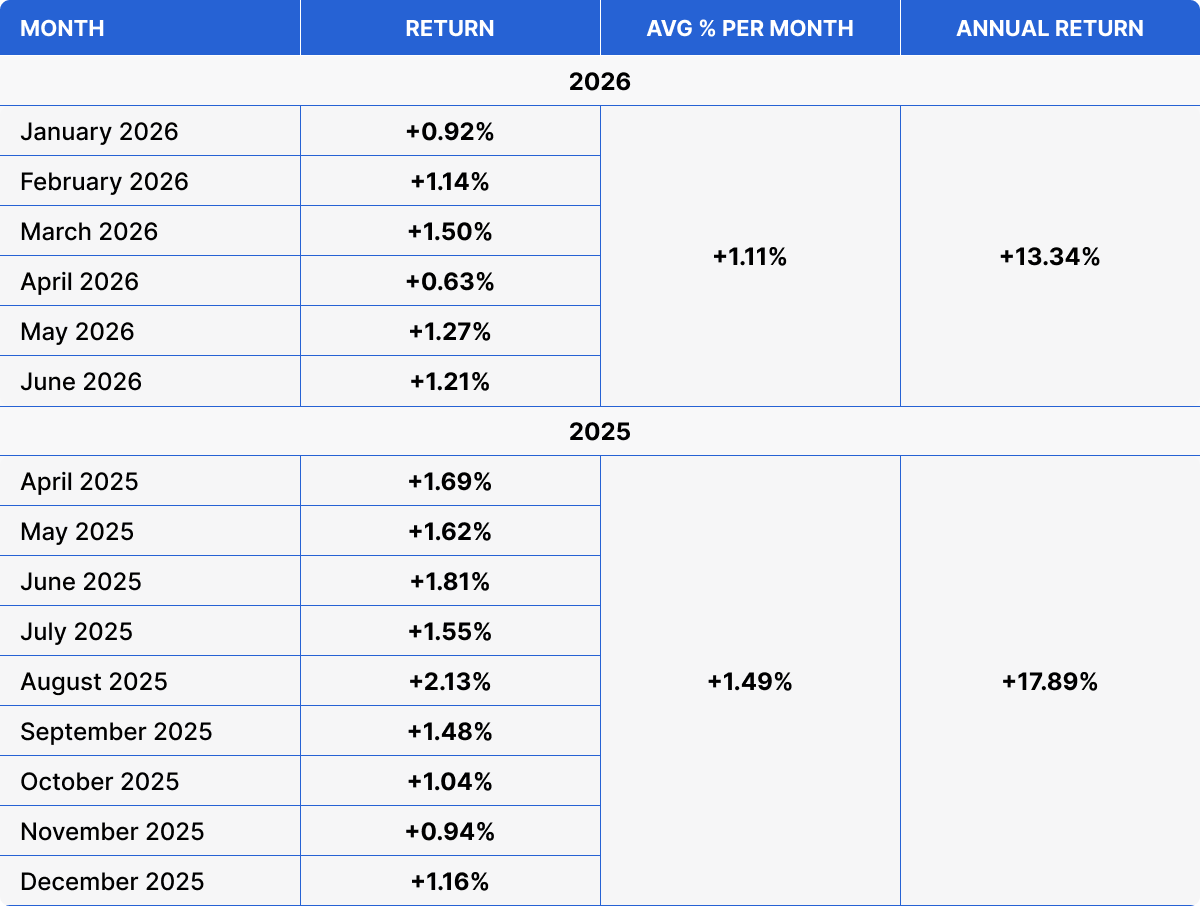
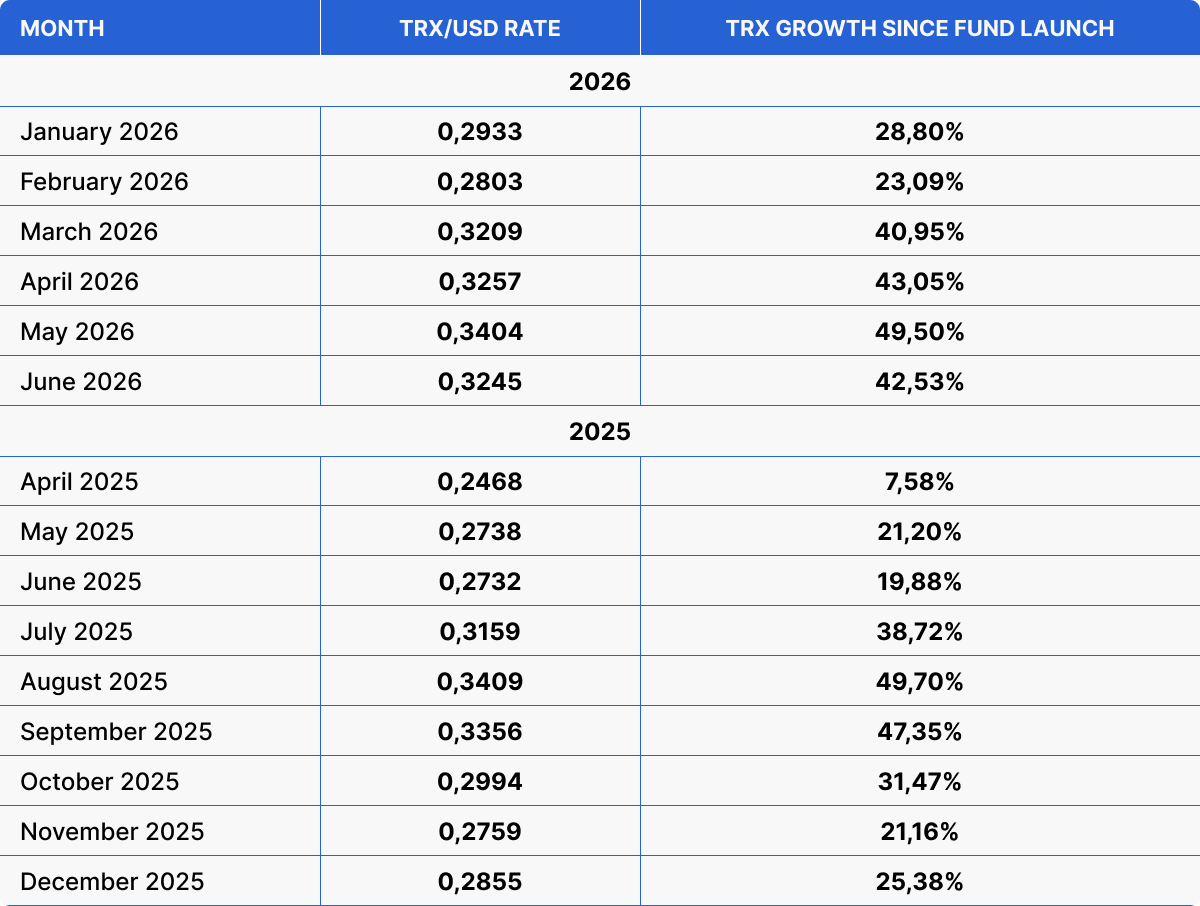
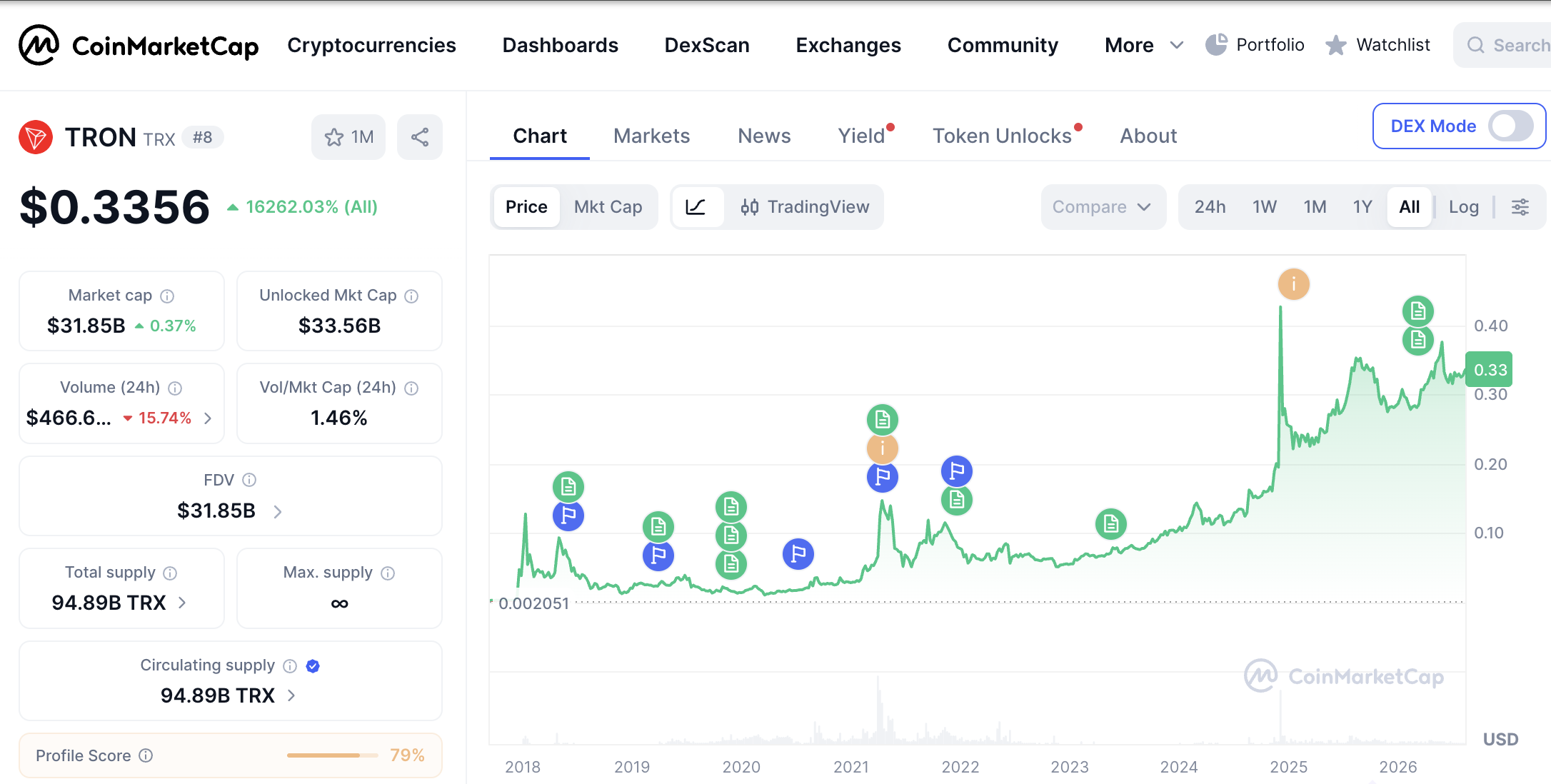
Over its first 15 months, the fund paid investors 20.09% dividends. Over the same period, the price of TRX increased by more than 42%. The combined result of the position reached approximately 62.6%, driven by two components: regular distributions and the appreciation of the underlying asset.
Dividends are paid monthly in USDT, while the minimum investment period is one month. The average dividend yield over the last 12 months is approximately 15% annualized.
TRX has also shown strong performance over the past several years. The token rose 103% in 2023, 136% in 2024, 11.8% in 2025, and another 14% in the first half of 2026.
Since 2023, TRX has not recorded a negative full-year result. At the same time, the fund continued generating dividend income: 17.5% in 2025 and 6.67% during the first six months of 2026.
Why TRON Is a Major Network for USDT
To understand how the fund generates returns, it is important to first look at how the TRON network works. TRON is one of the longest-running blockchain networks, while TRX is its native token and effectively serves as the fuel of the ecosystem.
One of TRON's most important real-world use cases is USDT transfers. The network has been one of the leading blockchains globally for stablecoin transactions for several years. During certain periods, the number of transfers processed on TRON has even exceeded transaction volumes handled by major traditional payment networks.
TRON's popularity is largely explained by the speed and predictability of the network. It can process around 2,000 transactions per second, while an individual transfer typically takes approximately 2–3 seconds. The network has also operated without major shutdowns or restarts, while transaction costs can be estimated and controlled in advance. For exchanges, crypto services and payment companies, where transaction fees directly affect the economics of every transfer, this is particularly important.
Another advantage is the network's wide distribution. USDT TRC-20 wallets are supported by a large number of counterparties, which is why TRON is frequently used for payments, settlements and salary transfers. The network is particularly popular in Latin America, Africa, Asia and CIS countries, where USDT is often used both as a payment instrument and as a way to preserve savings during periods of local currency instability.
What Is TRX Staking?
TRX staking means freezing TRX using a native function built directly into the TRON blockchain. Once TRX is frozen, the balance starts generating network resources, primarily energy and bandwidth, while the holder also receives voting rights.
These votes are allocated to validators, the nodes responsible for maintaining the blockchain and producing new blocks. The network rewards validators in TRX, and validators share part of those rewards with users who voted for them. This creates the first and most basic source of return from staking, currently around 3% annually.
The Second Source of Return: Selling Energy
The larger part of the fund's return comes not from validator rewards, but from another network resource: energy. Every USDT transaction on TRON requires energy. If a wallet does not have enough energy available, the transaction fee is paid through the burning of TRX at the standard network rate. An alternative is to obtain energy from a TRX staker. For businesses processing large numbers of transactions, this can reduce the cost of a transfer by approximately 60–70%. As a result, there is ongoing demand for energy from exchanges, payment services, crypto platforms and companies processing mass payouts.
For these businesses, buying energy is a direct way to reduce operating expenses. The fund therefore sells a real blockchain resource to real users. Payment is received before the energy is allocated, which reduces counterparty risk within this part of the operating model. Demand itself is driven by practical network activity: as the number of transfers on TRON grows, so does energy consumption.
Energy sales are the main reason the fund can generate a higher return than standard TRX staking through an exchange or wallet. Standard staking usually provides only validator rewards, while the fund also earns revenue from selling the network resource generated by staked TRX.
The amount of energy required for a USDT transfer also depends on the receiving address. If the receiving wallet does not yet hold USDT, a transaction requires around 130,000 units of energy. If the address already has a non-zero USDT balance, the requirement is approximately 65,000 units, roughly half as much. The difference is related to how the smart contract works: the first transfer to a new USDT balance requires the blockchain to create an additional balance record.
Can the Strategy Be Replicated Independently?
Technically, TRX staking is available to any token holder. A user can freeze TRX in a wallet, participate in voting and receive validator rewards. However, in this format the return is generally limited to the network's basic staking reward, currently around 3% annually.
The additional source of return comes from selling energy. That part of the strategy requires a stable base of buyers, established sales channels and precise technical execution. Operational errors can have consequences. For example, if energy is allocated to the wrong address, the resource may remain tied to that address for 30 days without the possibility of early recovery.
TRON Staking Fund combines both parts of the strategy: it stakes TRX, sells the resulting energy and manages the operational process on behalf of investors.
Why TRX Has Remained Resilient During Market Declines
In 2026, TRX showed notable resilience during a broader correction in Bitcoin and many altcoins. While some of the largest cryptocurrencies declined 40–50% from their highs, the pullback in TRX from its March peak remained limited to only several percentage points.
Two factors help explain this relative stability.
- The first is TRON's deflationary mechanism. When a transaction does not have enough network resources, part of the fee is paid by burning TRX.
In some periods, the amount of TRX burned exceeds the number of new tokens issued as validator rewards. - The second is the token's practical utility within the network. Demand for TRX is linked not only to market sentiment but also to real activity inside the TRON ecosystem, including USDT transfers and demand for network resources.
Justin Sun and the Role of the Founder
One difference between TRON and many other crypto projects is the presence of a highly visible founder who remains closely associated with the ecosystem. Justin Sun launched TRON in 2017 and continues to be one of its most prominent public representatives. He participates in partnerships, promotes the network and remains actively involved in the broader development of the ecosystem.
For some investors, the presence of a recognizable founder can provide an additional point of reference because his reputation remains closely tied to the project's success. At the same time, this creates its own risks. Sun's activities have repeatedly attracted regulatory attention in the United States, and this remains an important factor for investors to consider.
TRON itself is not controlled by a single individual. Key network decisions are approved through voting by 27 Super Representatives, validators elected by TRX holders. One example involved network fees. When the cost of USDT transfers increased to approximately $5–7, validators voted to reduce the cost of energy by half. The change helped lower transaction costs and maintain the network's attractiveness for both users and businesses.
Institutional Recognition: What Changed in July
In July 2026, TRX was added to the new S&P Pantera Digital Asset Index, which takes into account real protocol revenue. TRX became one of the larger assets in the index alongside Ethereum, BNB and Solana.
At the same time, publicly traded Tron Inc., whose shares trade on Nasdaq, continued increasing its TRX treasury holdings. The company accumulated more than 700 million TRX. Another step toward institutional adoption came from Anchorage Digital. From July, the US-based crypto bank began offering regulated native TRX staking to institutional clients.
Over the past year, the public and institutional infrastructure surrounding TRX has expanded significantly.
Staking or Mining
The difference between staking and crypto mining is also worth considering.
Regolith has practical experience with both strategies, including more than $1 million invested in Bitcoin mining. Under current mining economics, approximately 90% of mined BTC can be consumed by electricity expenses. Profitability remains relatively low, mining equipment depreciates over time, and exiting a mining position quickly can be difficult.
Staking works differently. It does not require physical equipment, electricity expenses or constant technical maintenance. In TRON, the standard unfreezing period is 14 days. For investors, this makes staking operationally simpler and more flexible than traditional crypto mining.
Security and Liquidity
A common question from new investors is what happens to TRX while it is frozen and whether the assets can be returned safely. TRX staking is built directly into the architecture of the TRON blockchain. It does not rely on a third-party smart contract developed by the fund or another external provider.
All stages of the process are recorded on-chain. TRX is first frozen, then an unfreezing request is initiated, and after 14 days the tokens become available again. For comparison, unstaking periods on some other major blockchain networks can reach around 40 days. The waiting period is a native part of the protocol and helps protect the network against sudden withdrawals and potential manipulation.
TRON Staking Fund Terms
- Minimum investment: $50
- Minimum investment period: 1 month
- Dividends: monthly in USDT
- Average dividend yield over the last 12 months: approximately 15% annualized
- Fund fee is charged only on profit and decreases as the investment amount increases:
30% for investments below $500,000
25% from $500,000
20% from $1 million - Risk category: high, as the underlying asset remains a cryptocurrency
How to Invest
Investors can register on the Regolith platform through the website or the mobile app available on the App Store and Google Play. The full onboarding process, including verification, takes approximately five minutes.
The TRON Staking Fund page is available in the Funds section. It includes the fund description, presentation, documents, historical performance and a calculator that can be used to estimate potential results for a selected investment amount.
Accounts can be funded using Visa or Mastercard, Apple Pay, Google Pay, USDT, as well as international SWIFT or ACH transfers. Support is available directly on the platform, and investors can also contact a Regolith personal manager for additional information.
Key Takeaways for Investors
Over its first 15 months, TRON Staking Fund consistently paid dividends in USDT. The appreciation of TRX over the same period provided an additional contribution to the overall result.
The strategy itself is based on two clear sources of income:
- rewards generated through TRX staking;
- revenue from selling energy used for transactions on the TRON network.
Together, these two components allow the fund to generate income from both the blockchain's native staking mechanism and the real demand created by businesses and users transferring USDT.
Fund terms, historical performance and the investment calculator are available on the TRON Staking Fund page in the Regolith app. Questions about the fund can also be addressed to a Regolith personal manager
This material is provided for informational purposes only and does not constitute investment advice. Past performance does not guarantee future results.
