

SpaceX to Report as a Public Company for the First Time: What Investors Should Watch in August
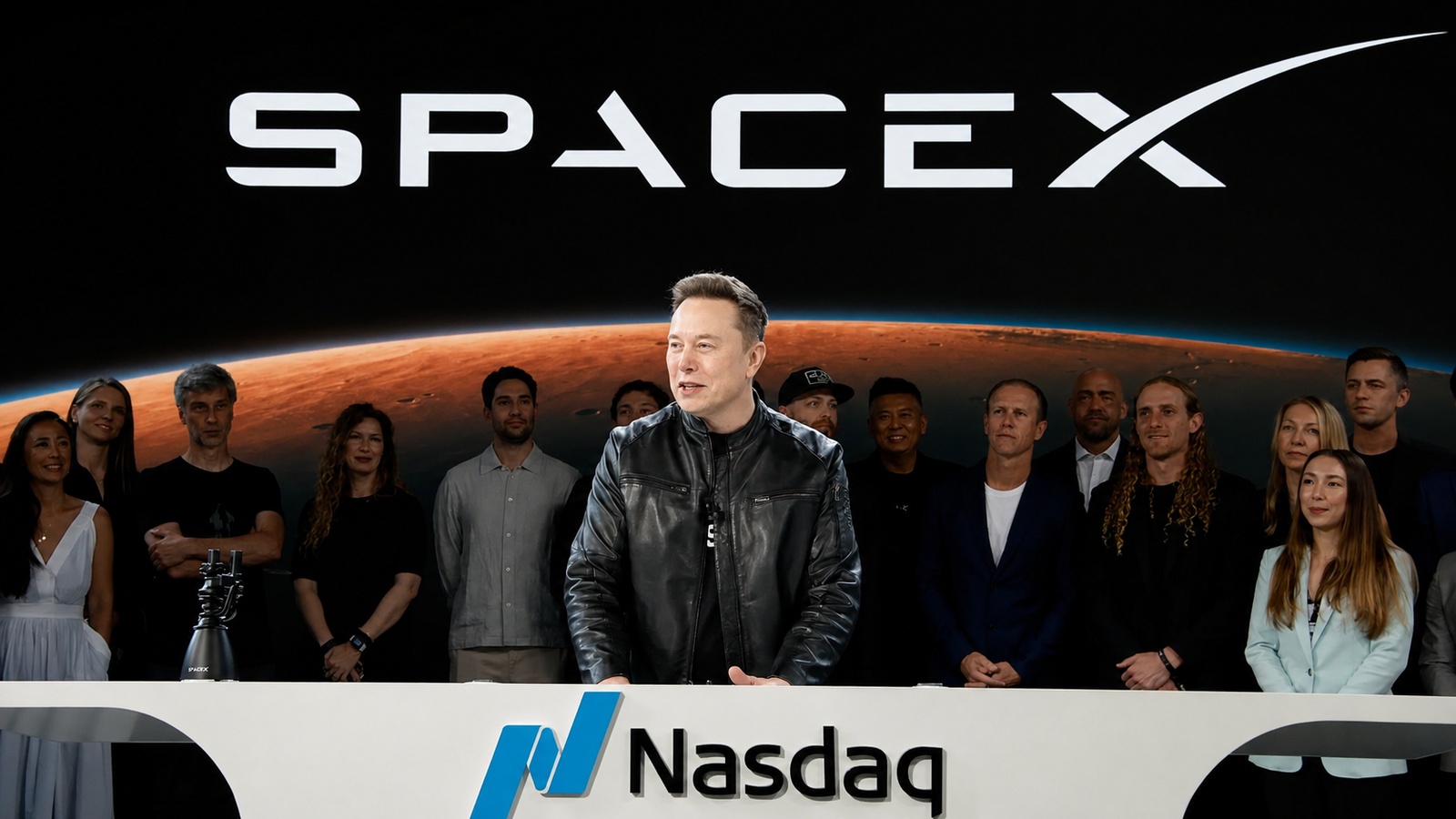
On August 4, after the market closes, SpaceX will release its first quarterly earnings report as a public company. Management will then take questions from public-market investors for the first time at 4:30 p.m. New York time.
Two trading days later, on August 6, the first tranche of insider shares will become eligible for sale. With Starship’s successful deployment of the first Starlink V3 satellites on July 24, the coming two weeks could determine the near-term trajectory of the year’s most closely watched stock.
The Largest IPO in History, Followed by Six Weeks of Volatility
SpaceX began trading on Nasdaq on June 12 after completing the largest IPO on record. The company raised approximately $85.7 billion at $135 per share, implying a valuation of roughly $1.75 trillion at the time of listing.
The stock closed its first trading session at $161, up 19%, and reached an intraday high of $225.64 on June 16.
The rally was followed by a pullback that developed into a prolonged decline. After rebounding to $118.24 on July 23, the shares fell 2.7% on July 24 to close at a new post-IPO low of $115.07. That left the stock 14.8% below its $135 offer price and nearly 49% below its June peak of $225.64.
The scale of the move may look dramatic, but sharp price discovery is not unusual after a high-profile listing. Once the initial excitement fades, the market begins searching for a more sustainable valuation, and the larger the IPO, the more visible the volatility tends to be.
According to Bloomberg data cited in mid-July, US companies that went public in 2026 had generated an average return of 6% since listing, roughly half the year-to-date gain of the S&P 500.
SpaceX’s Path to the Public Markets
- 2002: Elon Musk founds SpaceX with the goal of dramatically reducing launch costs
- 2008: Falcon 1 completes its first successful orbital launch after three failed attempts
- 2012: Dragon becomes the first privately developed spacecraft to dock with the International Space Station
- 2015: SpaceX successfully lands a Falcon 9 first stage, marking the beginning of the reusable-rocket era
- 2019: Deployment of the Starlink satellite constellation begins
- 2020: SpaceX completes its first crewed mission, restoring domestic human spaceflight capability to the United States
- 2023: Starship completes its first integrated flight test
- 2025: SpaceX conducts 170 orbital launches and captures approximately 82% of the global commercial launch market
- February 2026: SpaceX acquires xAI and social media platform X, valuing the combined company at $1.25 trillion
- June 12, 2026: SpaceX completes the largest IPO in history, raising $85.7 billion
What Is Weighing on SpaceX Shares
Several factors are putting pressure on SPCX.
The first is the broader correction across the technology sector. The semiconductor index fell more than 20% from its June peak as investors took profits in some of the year’s strongest-performing stocks. Newly listed companies are often among the first to come under pressure during such rotations.
The second factor is the Cursor transaction. On June 16, only two trading days after the IPO, SpaceX announced the acquisition of Anysphere, the developer of AI coding platform Cursor, for $60 billion in an all-stock deal. It would be the largest startup acquisition on record.
The transaction originated from an option obtained by SpaceX in April and is expected to close in the third quarter. The market reacted sharply: SpaceX lost approximately $600 billion in market capitalization in the days following the announcement. Analysts raised concerns about shareholder dilution, potential overlap with SpaceX’s existing AI initiatives and capital-allocation discipline so soon after the company entered the public markets.
The third factor is the approaching insider-share unlock. Some investors are reducing their exposure before additional shares become available for sale.
The fourth is valuation. Even after the correction, SpaceX trades at a substantial premium to most technology companies relative to revenue. Analysts argue that the current valuation already assumes several years of rapid growth, leaving the stock highly sensitive to any signs of slower execution.
There are also supportive factors. On July 7, SPCX entered the Nasdaq-100, setting a record for the fastest inclusion of a newly listed company. Index funds were estimated to have purchased approximately $4.3 billion of the stock, while inclusion in the Russell index family generated an additional $3 billion of passive demand. Those purchases helped cushion the decline but were not enough to reverse the trend.
How Other Major IPOs Performed After Listing
Falling below the offer price after a high-profile IPO is not unprecedented. Facebook went public at $38 per share in May 2012, lost more than half its value within four months and did not recover to its IPO price for 15 months. Alibaba completed what was then the world’s largest IPO in 2014 but traded well below its offer price one year later.
Uber remained below its IPO price for most of its first year as a public company.
Their longer-term outcomes were very different. Facebook ultimately increased many times over. Alibaba rose to roughly four times its IPO price before surrendering much of those gains amid regulatory pressure in China. Uber spent several years proving the viability of its business model before establishing itself above the offer price.
The common lesson is that the first few months of trading rarely determine a company’s long-term trajectory. The first public earnings reports are often far more important. Historical precedents do not guarantee that SpaceX will follow a similar path, but they help explain why investors are focused so closely on August 4.

What We Already Know About SpaceX’s Financials
SpaceX disclosed its financial performance publicly for the first time in the IPO prospectus released on May 20. Revenue reached $18.7 billion in 2025. The company recorded an operating loss of $2.6 billion and a net loss of $4.9 billion, although adjusted EBITDA was positive at $6.6 billion.
SpaceX continues to invest more in growth than it currently generates in earnings. Before the xAI merger, the company’s largest spending priorities were Starship development and the expansion of Starlink. Its capital requirements now also include AI infrastructure and data centers. The prospectus also provided a breakdown of the company’s operations. The Connectivity segment, led by Starlink, generated $11.4 billion, representing approximately 61% of total revenue and growth of nearly 50% year over year.
The launch business contributed another $4.1 billion. Approximately one-fifth of revenue came from work performed for US government customers. The filing also revealed that SpaceX had invested more than $15 billion in Starship development by the time of the IPO. Reuse of Falcon 9 boosters saved the company an estimated $240 million in 2025 alone. SpaceX completed 170 orbital launches during the year, accounting for approximately 82% of the global commercial launch market.
Starlink Is Now SpaceX’s Core Business
Satellite connectivity is currently SpaceX’s most important business. As of March 31, 2026, Starlink had 10.3 million subscribers across 155 countries. Analysts at Quilty Space expect that figure to reach as many as 16.8 million by year-end.
The business is also expanding beyond residential broadband. A commercial direct-to-device satellite service has operated since July 2025. In the United States, it is available through T-Mobile for $10 per month. More than 650 satellites capable of supporting the technology are already in orbit, and the service is available in 22 countries.
Starshield, the military version of Starlink, represents another major growth area. According to the prospectus, the business generated approximately $1.8 billion in 2025. In May 2026, SpaceX received a $2.29 billion contract from the US Space Force to build a secure communications network.
Government contracts provide a stable foundation for the wider business. These include the $2.9 billion lunar-lander contract for NASA’s Artemis program, plus $1.15 billion for a second mission; a $5.9 billion package covering 28 military launches; and $6.45 billion of contracts awarded in May under the Golden Dome missile-defense program. SpaceX’s total federal contract backlog is estimated at approximately $22 billion.
What to Expect From the August 4 Earnings Report
According to the Benzinga consensus, analysts expect quarterly revenue of approximately $7 billion and a loss of around $0.25 per share. The main question, however, is not simply whether SpaceX beats or misses those estimates. Investors will see the company’s quarterly operating trends for the first time and will be able to question management directly. Four topics are likely to dominate the call.
- The first is Starlink: subscriber growth, average revenue per user and the segment’s progress toward sustainable profitability.
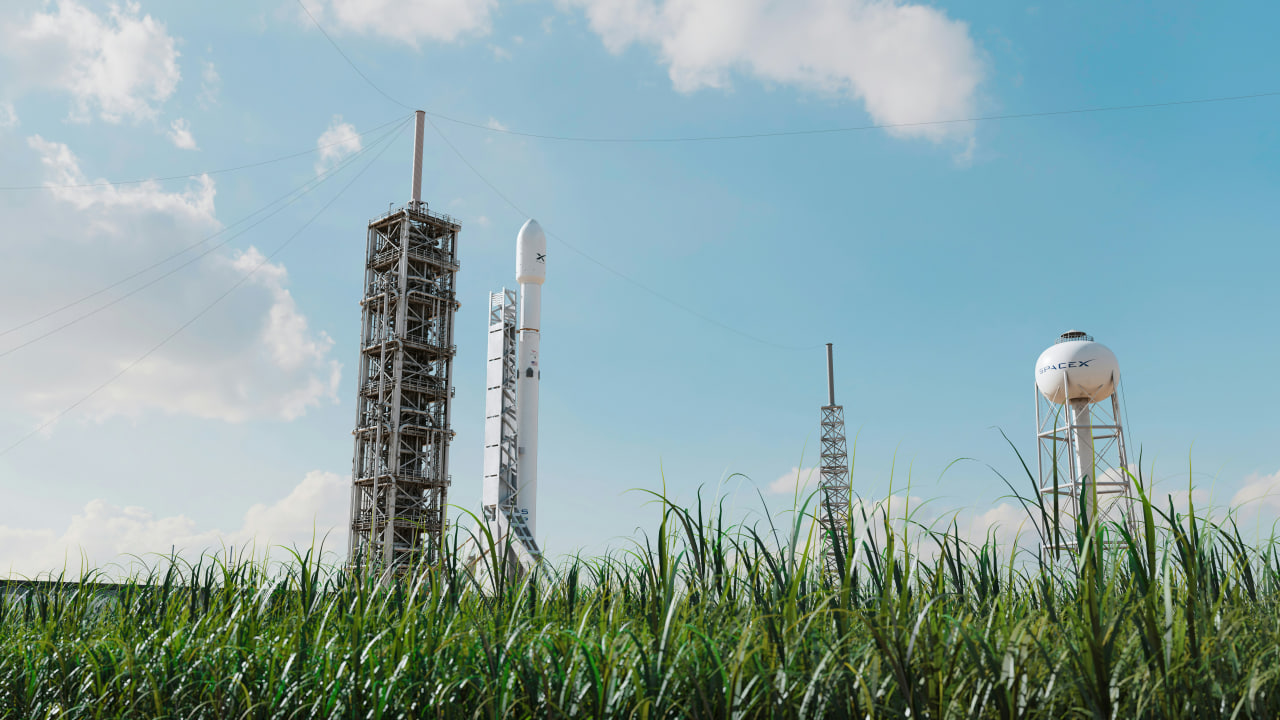
- The second is launch economics and the company’s flight schedule for 2026, including its stated target of more than 180 launches.
- The third is Starship, particularly the testing schedule and the timetable for deploying Starlink V3 satellites.
- The fourth is the integration of Cursor and the strategic rationale for further AI spending, an area that has already raised significant questions among investors.
Analysts remain deeply divided on the outlook for SpaceX shares. The average price target among 29 analysts is approximately $236, but individual forecasts range widely, from $115 at CFRA to $800 at Raymond James. The first earnings report should provide the clearest indication yet of which assumptions are closest to the company’s actual operating performance.
August 6: How the Insider Unlock Works
A lock-up is a standard IPO restriction that temporarily prevents early investors and employees from selling shares immediately after listing. The restriction usually lasts 180 days, but SpaceX adopted an unusual phased structure in which the first tranche is tied to the publication of its first earnings report.
Two trading days after the report, on August 6, holders of approximately 20% of insider positions will become eligible to sell. This could involve as many as 911 million shares with a market value of roughly $123 billion.
The expiration of a lock-up often increases volatility because the number of shares available for trading rises sharply. It may affect the stock price, but it does not change SpaceX’s underlying financial performance or business fundamentals.
At the same time, an absence of substantial insider selling could be interpreted by the market as a sign of confidence in the company’s prospects.
What This Means for Regolith Investors
Lock-up periods for Regolith clients follow a different timetable. For IPO positions, the lock-up lasts 93 days from the date of the offering and remains in place until September 13.
For pre-IPO positions, the lock-up period is 180 days and is expected to remain in effect until approximately December 9. The August 6 event does not change the terms of Regolith client positions. It applies only to SpaceX insiders.
First Starlink V3 Launch: Progress Ahead of Earnings
On July 24, SpaceX completed Starship’s 13th test flight and deployed 20 Starlink V3 satellites for the first time. The satellites were released on a suborbital trajectory, briefly connected with the existing Starlink network and then re-entered the atmosphere as planned. Starship itself completed the flight and splashed down in the Indian Ocean.
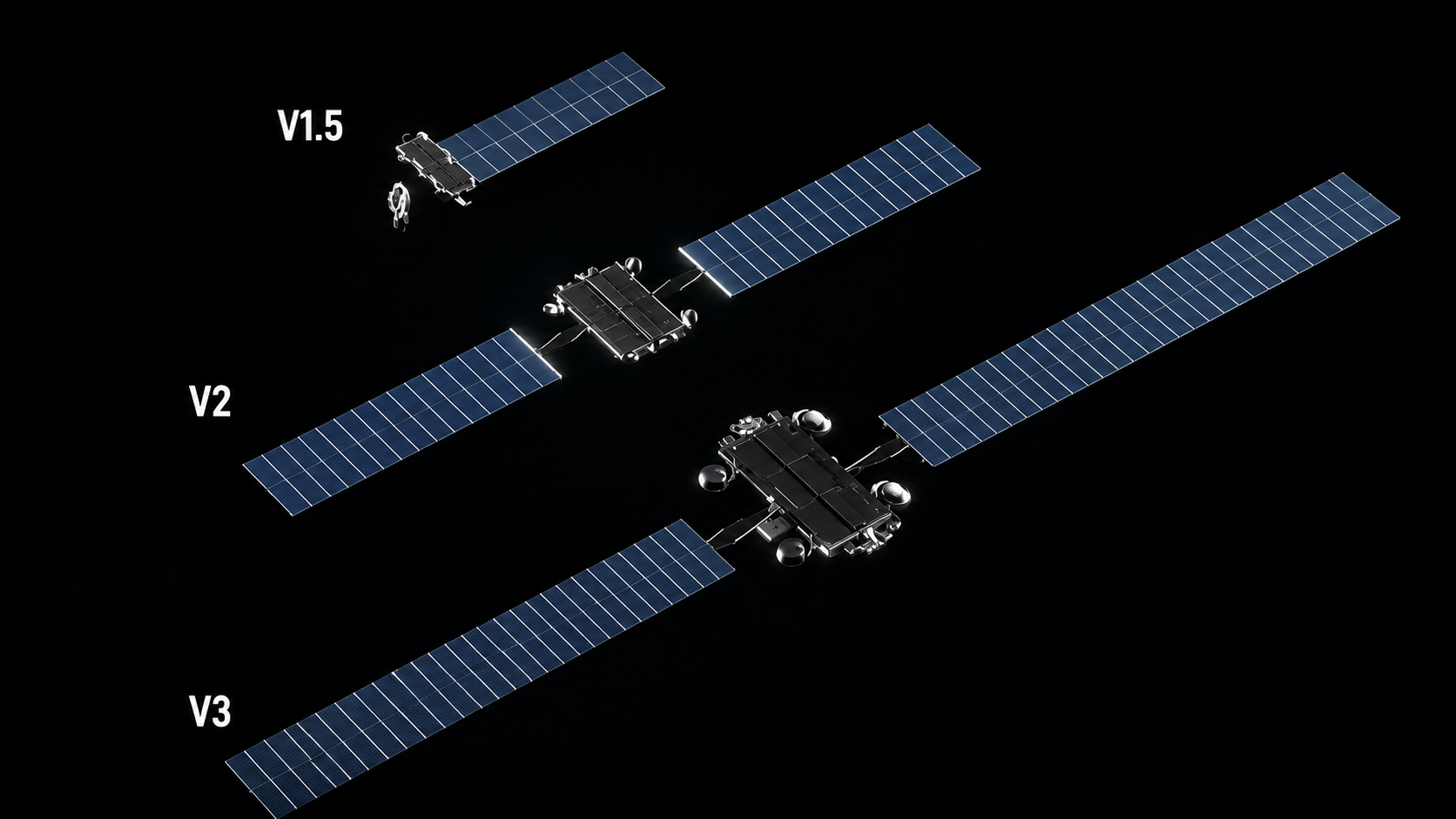
The mission marked an important step for the company because it demonstrated Starship’s ability to carry and deploy the next generation of Starlink satellites. Each V3 satellite is designed to provide roughly ten times the capacity of the current generation, and Starship is the only vehicle capable of launching them at scale.
The flight was not entirely successful. The Super Heavy booster failed to slow sufficiently during its planned splashdown after five engines did not relight, resulting in a harder-than-expected impact in the Gulf of Mexico. Still, the successful satellite deployment and improved performance of Starship’s upper stage were meaningful positives ahead of the company’s first earnings report.
For investors, the launch provided an early confirmation that SpaceX is making progress on the infrastructure required to expand Starlink, which already generates 61% of the company’s revenue. The next key question is how quickly the company can move from test deployments to regular launches of operational V3 satellites.
Competitors Remain Far Behind, but They Are Accelerating
Starlink still holds a substantial lead over competing satellite networks, with more than 7,000 active satellites in orbit.
Its closest rival, Amazon Leo, formerly known as Project Kuiper, has launched only several hundred satellites. Since April, it has been testing the service with corporate customers including Verizon, AT&T and JetBlue. A broad commercial rollout is planned for the second half of 2026.
Blue Origin lost a New Glenn rocket during ground testing in May, pushing the program behind schedule. China is also accelerating the development of the Qianfan and Guowang satellite constellations, although both currently consist of only several hundred spacecraft.
Competitors remain well behind Starlink, but competitive pressure is likely to increase over time. That is why investors are watching Starship so closely: the speed at which SpaceX can deploy the next generation of satellites will determine whether Starlink can preserve its current lead.
Key Risks
SpaceX remains unprofitable. The company reported a net loss of $4.9 billion in 2025 and another $4.3 billion in the first quarter of 2026. Heavy investment in Starship and data-center infrastructure continues to weigh on financial performance.
Even after the correction, the stock trades at a demanding valuation. Further delays, higher spending or weaker-than-expected operating results could therefore have an outsized effect on the share price.
The expiration of the lock-up represents another risk because the arrival of additional shares may increase supply and volatility.
The Cursor acquisition has also intensified scrutiny of SpaceX’s spending and capital-allocation priorities.
Another major risk is the extent to which the company’s valuation depends on Elon Musk and the execution timeline for Starship, a program that has already faced repeated delays in 2026.
Conclusion
SpaceX’s first earnings report as a public company could materially reshape investor sentiment toward the stock.
Strong Starlink results and a credible Starship timeline could support shares that are currently trading below the IPO price, particularly while the average analyst target remains well above the current market level.
Weak operating performance, especially alongside the insider-share unlock, could increase selling pressure and extend the correction.
The central question for long-term investors remains unchanged: can SpaceX convert its leadership in launch services and satellite connectivity into a sustainably profitable business?
SpaceX at a Glance as of July 24
- Share price: $115.07 at the July 24 close, down 2.7% on the day
- Performance since the $135 IPO: −14.8%
- Return from the $15.90 pre-IPO entry price: +623.7%
- 2025 revenue: $18.7 billion, with Starlink contributing 61%
- Consensus analyst target: approximately $236, with estimates ranging from $115 to $800
- Regolith IPO-position lock-up: through September 13
Pre-IPO position lock-up: 180 days, expected to end around December 9
This material is provided for informational purposes only and does not constitute investment advice.
