

Obama Os and $30,000 in Debt: How Airbnb Sold Cereal Just to Stay Afloat in 2008
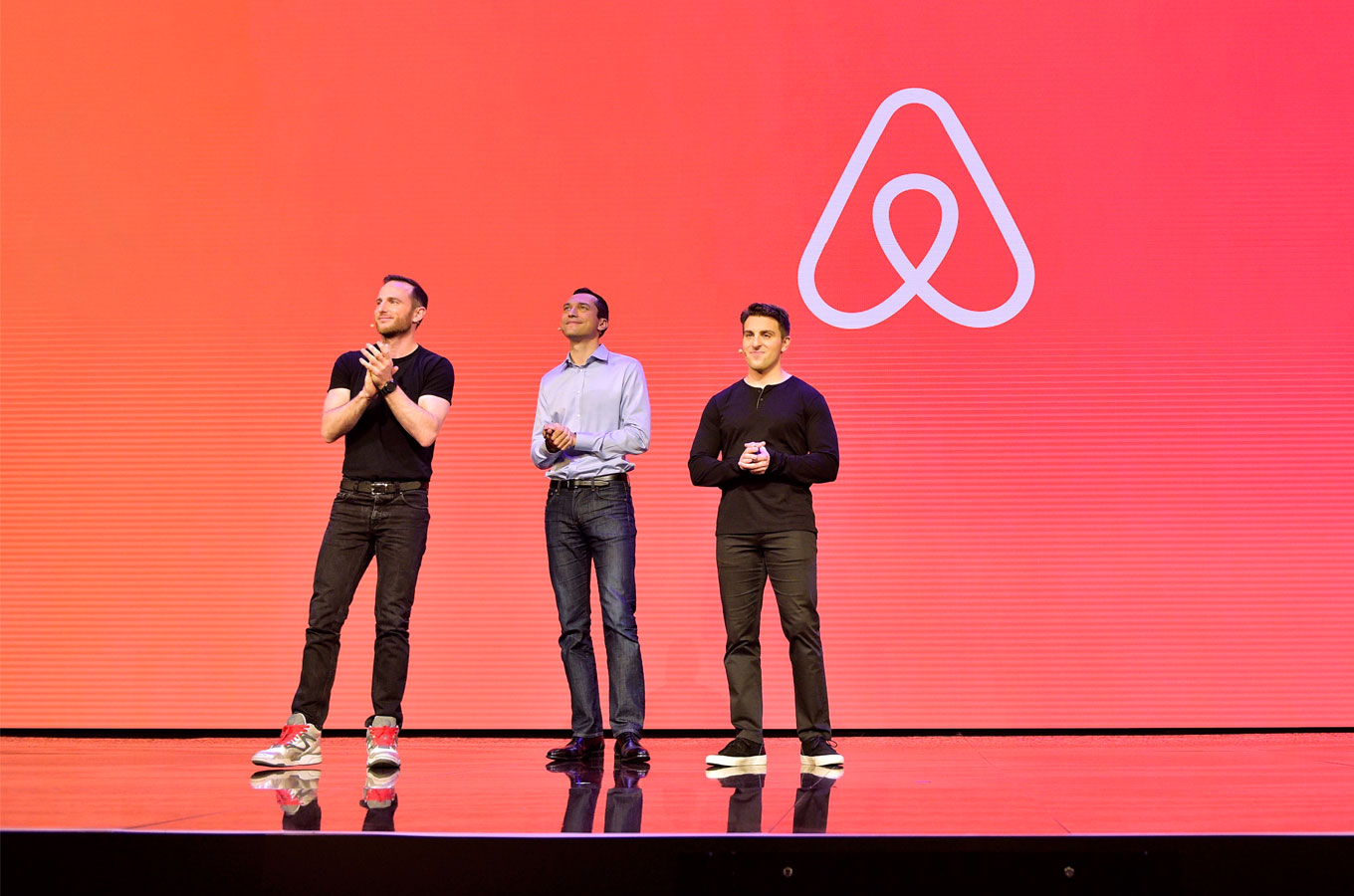
San Francisco, fall 2008. Two designers and a programmer live in a rented apartment, around $30,000 in credit-card debt, and a product that isn't taking off. Every dollar they managed to raise from friends and family is gone. Brian Chesky, co-founder of Airbnb, would later recall that this was a time when he ate the same dish of rice and beans for weeks on end, because there was nothing else.
That same year, the presidential election is underway. And Chesky and his co-founders come up with an idea any normal business school would have talked them out of in five minutes. To make branded cereal based on the candidates' names: Obama O's (with Obama's face on the box) and Cap'n McCain's (with McCain). Sell it to fans of the political campaign. Raise the money to keep from shutting down.
What Happened
The decision looked absurd. Airbnb is a tech platform for booking lodging. Cereal is FMCG. The connection between the two existed only in the minds of people who couldn't convince anyone to give them money.
Chesky and his partner Joe Gebbia (both graduates of the Rhode Island School of Design, designers by training) reached out to a local print shop, arranged to print about a thousand boxes, poured the cereal and sealed the packaging by hand. They sold it for $40 a box, positioning it as a "limited collectible product for election fans."
They made $30,000. Exactly the amount they owed. The debt was closed.
Why It Matters
The cereal saved the company only tactically, for one quarter. What mattered more: the story showed Paul Graham, founder of Y Combinator, that these were no ordinary founders.
Graham later admitted he took Airbnb largely because of that box of cereal: it showed him these founders wouldn't give up. YC accepted Airbnb into its winter 2009 batch, invested a symbolic $20,000, and helped it reach the next round.
A year later the company got its first serious money. It was Sequoia Capital, about $600,000, at a $2.4 million valuation. In 2011, four years on, Airbnb was valued at more than $1 billion. In December 2020, the company went public on the Nasdaq at $68 per share: that implied a valuation of around $47 billion, and on the very first day of trading the stock nearly doubled.
By 2025, Airbnb's revenue topped $12 billion, and its market cap holds around $84 billion. Three people who in 2008 couldn't sell their idea to seven venture funds built a company now worth tens of billions of dollars.

Seven Rejections That Became Folklore
Chesky later published (already a billionaire) screenshots of the real rejection emails from 2008 investors. Seven of them. All with similar wording: "the business model doesn't scale," "the market is too narrow," "no one will want to rent out their apartment to strangers."
Each of these investors passed on a deal that could have brought billions. By TechCrunch's estimate, if any of these funds had put $500,000 into the 2008 round, by 2020 it would have been a position with a return of more than 1,000x.
It doesn't mean the investors who said no were stupid. They acted rationally by the rules of 2008. The model "you rent out your apartment to a friend or even a stranger" looked like a violation of every city code, hotel regulation, and insurance contract. It wasn't obvious until Airbnb built the platform that legalized and standardized all of it.
What This Story Teaches an Investor
- First. You can't predict which company will build a platform monopoly. In 2008, Airbnb had no product, no market, no clear business model. There were only three stubborn founders. Seven funds rated that bet as "probably not." They weren't wrong mathematically; they were wrong emotionally.
- Second. At an early stage, the founder's story matters more than the marketplace. At YC, Graham bet on the people. There was no market yet, but the stubborn founders were already there. The rule still holds: early venture deals are always more about the team than the numbers.
- Third. Liquidity matters even for venture investors. Those who invested in Airbnb in 2008–2011 waited for the IPO until December 2020. Nine to twelve years. If you aren't ready to hold a position for a decade, this isn't your asset class.
- Fourth. Rejections aren't an indicator of an idea's quality. They're an indicator that the idea is early. Seven rejections for Airbnb, 50+ for Slack, 300+ pitches for Pandora. Every major platform went through several years of "nobody needs this."
Where Regolith Fits In
Airbnb is a public company trading under the ticker ABNB on the Nasdaq. In the Regolith app it's available within an S&P 500 (SPY), which includes ABNB.
The more interesting part is different. Today's Airbnbs are early-stage private companies building unconventional platforms in new industries. Regolith provides access to Pre-IPO deals in the same segments where early Airbnb once was, ten years ago.
Risks
Stories like Airbnb's are one case in a hundred. The other 99 startups that looked just as convincing early on came to nothing. For the venture market, that's a normal failure rate.
- Survivorship bias. Anyone who reads only success stories sees a distorted picture of risk. For every Airbnb there are dozens of Webvans, Pets.coms, Juiceros and WeWorks.
- Investment horizon. Airbnb brought early investors a return only after 12 years. An investor with a three-year horizon simply doesn't fit this model.
- Liquidity. A stake in a private company is illiquid: you can exit only through an IPO or a strategic deal. If you need the money sooner – that's a problem.
Conclusion
Airbnb isn't a story about heroic founders. It's about how the venture market itself works. Seven smart people said no. One, Graham, said yes. The whole difference between them is the willingness to bet on an irrational scenario.
That willingness can't be bought formally. You either have it or you don't. An investor going into early venture has to be clear that they're betting on the people who will build the business, not on the business itself.
This material is for informational and educational purposes and does not constitute investment advice, an offer, or a solicitation to buy or sell securities. Investing involves risk, including the possible loss of capital. Past performance does not guarantee future results. Investors should review the documents and make their own decision.
