

How to Invest in an Oilfield Services IPO: A Full Breakdown of HMH Holding Ahead of Its Nasdaq Listing
As capital rotates out of high-growth tech, energy is moving back into focus. Investors are increasingly shifting toward sectors with visible cash flows and established demand.
Against this backdrop, HMH Holding is preparing to debut on Nasdaq on April 1. The company is a joint venture between Baker Hughes and Akastor.
Why Energy Is Back in Focus
Investors are shifting toward sectors with visible cash flows and operating leverage. Energy has become one of the main beneficiaries of this move.
High oil prices and aging infrastructure are sustaining demand for drilling and servicing. Companies in this space operate on existing contracts and real demand, rather than future projections.
In turn, investor preferences are changing. The focus is now on businesses with stable cash flows and clear economics. According to Reuters, energy is currently one of the most active sectors for IPOs.
HMH is entering the market as demand for drilling equipment and services remains elevated. The company postponed its IPO from August 2024 and is now returning under more favorable conditions.
Background and Assets
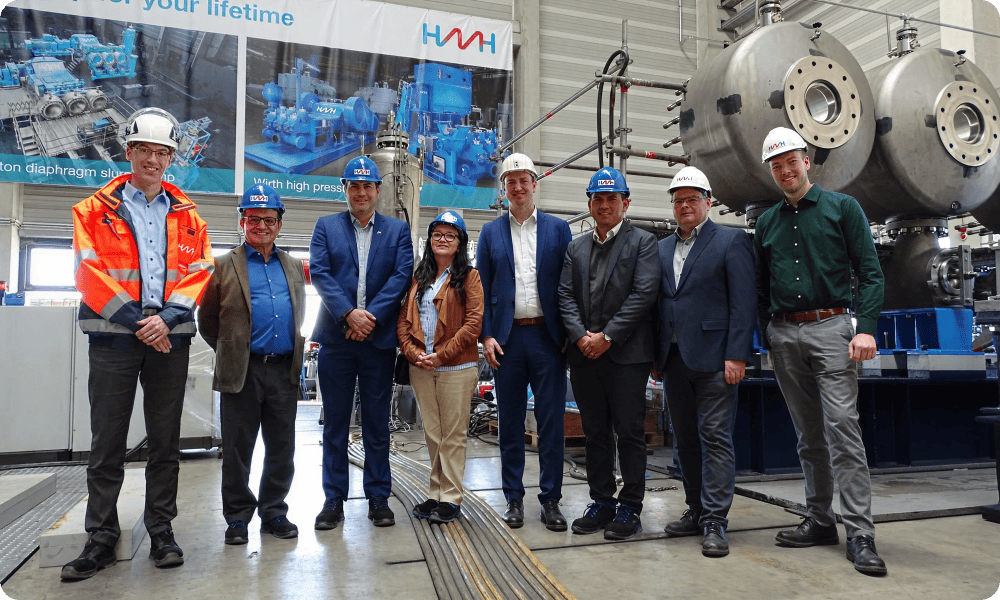
HMH Holding was formally established in 2021, but its operational base goes back decades. The company combines Baker Hughes’ drilling equipment division with assets from Akastor (part of the Aker group).
The merger brings together complementary capabilities:
- U.S. expertise: advanced technology, automation, and standardized processes
- Nordic expertise: offshore, deepwater, and harsh-environment operations
In effect, HMH operates across a broad range of drilling solutions—from equipment to integrated services.
Baker Hughes and Akastor will retain control after the IPO, indicating that the listing is intended to support growth rather than serve as an exit.
How HMH Generates Revenue
HMH’s model is built across multiple segments, reducing dependence on any single market:
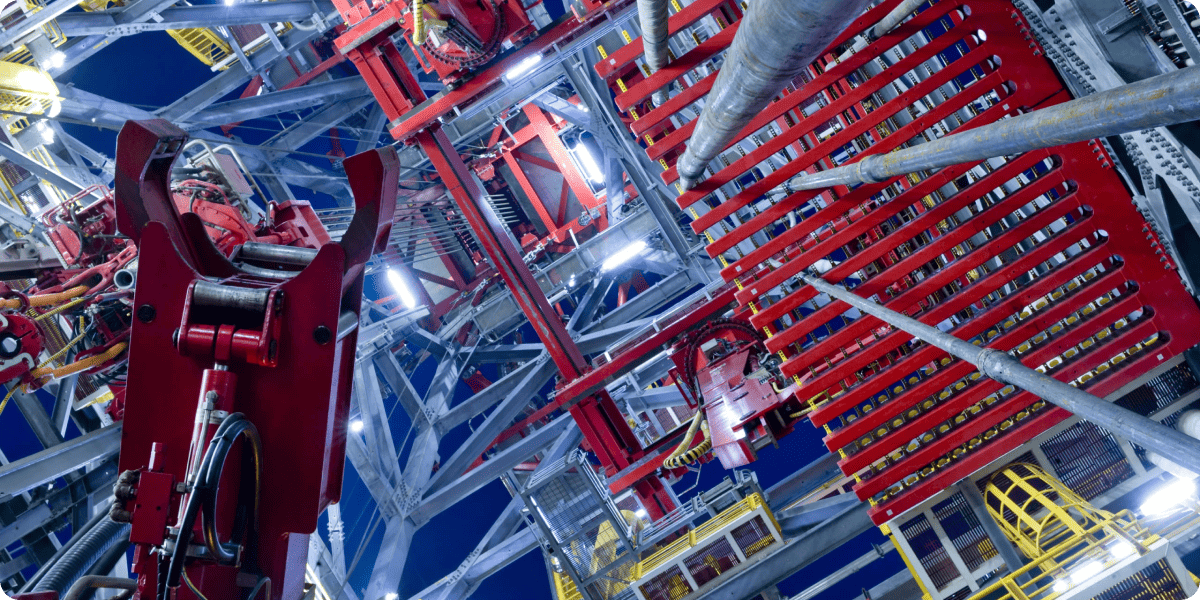
- Deepwater drilling. The most capital-intensive segment. HMH supplies critical systems such as blowout preventers (BOP) and drilling control technologies. Barriers to entry are high, with limited competition in key equipment segments.
- Arctic and harsh environments. A specialized niche where operational experience is as important as technology. Reliability is critical, and competition remains limited.
- Onshore equipment and automation. A more scalable segment focused on efficiency. Digital solutions help clients reduce costs and improve drilling performance.
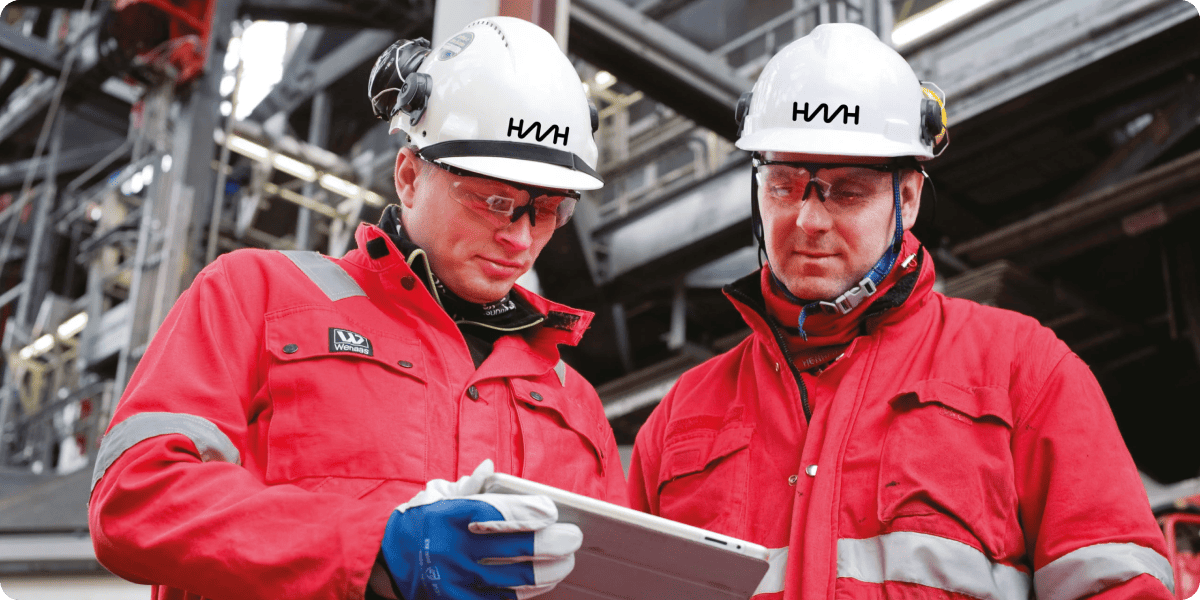
A key driver of revenue is services. After installation, HMH continues to generate income through maintenance and long-term contracts. Its global service network and ~2,000 employees support recurring revenue streams.
Financial Profile and IPO Terms
HMH enters the public market as a profitable business—an increasingly important factor in today’s IPO environment.
Key metrics:
- Revenue (2025E): ~$821.8M
- Net income: ~$46.1M
- Valuation: up to ~$948M
- Price range: $19–22 per share
- Exchange: Nasdaq (ticker: HMH)
At this valuation, HMH enters the market without the premium multiples often seen in recent tech IPOs.
The deal is led by J.P. Morgan, Citi, Piper Sandler, and Evercore ISI —underwriters typically associated with more mature and well-prepared companies. Their involvement indicates that HMH has undergone comprehensive financial, legal, and operational review.
How to Participate in the IPO
Participating in an IPO requires both access and timing.
Who can invest
Direct access is generally limited to qualified investors through brokers with U.S. IPO capabilities. Alternatively, platforms such as Regolith provide structured access without requiring direct broker relationships.
Deadlines
The subscription window closes before trading begins.
For HMH, the deadline is March 31, 18:00 (UAE time).
Investors should act in advance, as brokers require time to process orders and confirm funding.
Process
- Select the offering (via broker or platform such as Regolith)
- Allocate capital
- Submit the order before the deadline
Through Regolith, the process is streamlined: orders are submitted via the platform, while execution and allocation are handled within its infrastructure.
Why This Offering Stands Out
The IPO market has become more selective. Investors are increasingly avoiding speculative growth stories and focusing on companies with established earnings.
HMH fits that profile. It is not an early-stage company, but a functioning business with revenue, profitability, and a defined role in the energy value chain.
Another driver is market exposure. Deepwater and complex drilling projects are directly linked to energy prices. As oil prices rise, investment in extraction increases—driving demand for HMH’s equipment and services.
Conclusion
HMH Holding is entering the public market as an established business rather than a growth narrative built on expectations.
Backed by Baker Hughes and Akastor, the company operates with real revenue streams and long-term service contracts. This IPO reflects a broader shift toward companies with tangible cash flow and direct exposure to core industries.
