

OpenAI's $110 Billion Round: How the Largest Private Deal in History Could Reshape AI
$110 billion in a single round – the private market has never seen a deal of this scale. OpenAI set a historic record, securing checks from Amazon ($50 billion), Nvidia ($30 billion), and SoftBank ($30 billion). The post-money valuation reached $840 billion. For context, in 2023 the company was valued at $29 billion – a nearly 30x increase in just three years.
Many analysts view a round of this magnitude as a step toward an IPO. The capital will fund infrastructure expansion, training of next-generation models, and a broader product rollout. The signal to the market is clear: AI is no longer a venture experiment – it is a fully-fledged sector of the global economy attracting trillion-dollar commitments.
OpenAI: From Research Lab to Global Leader
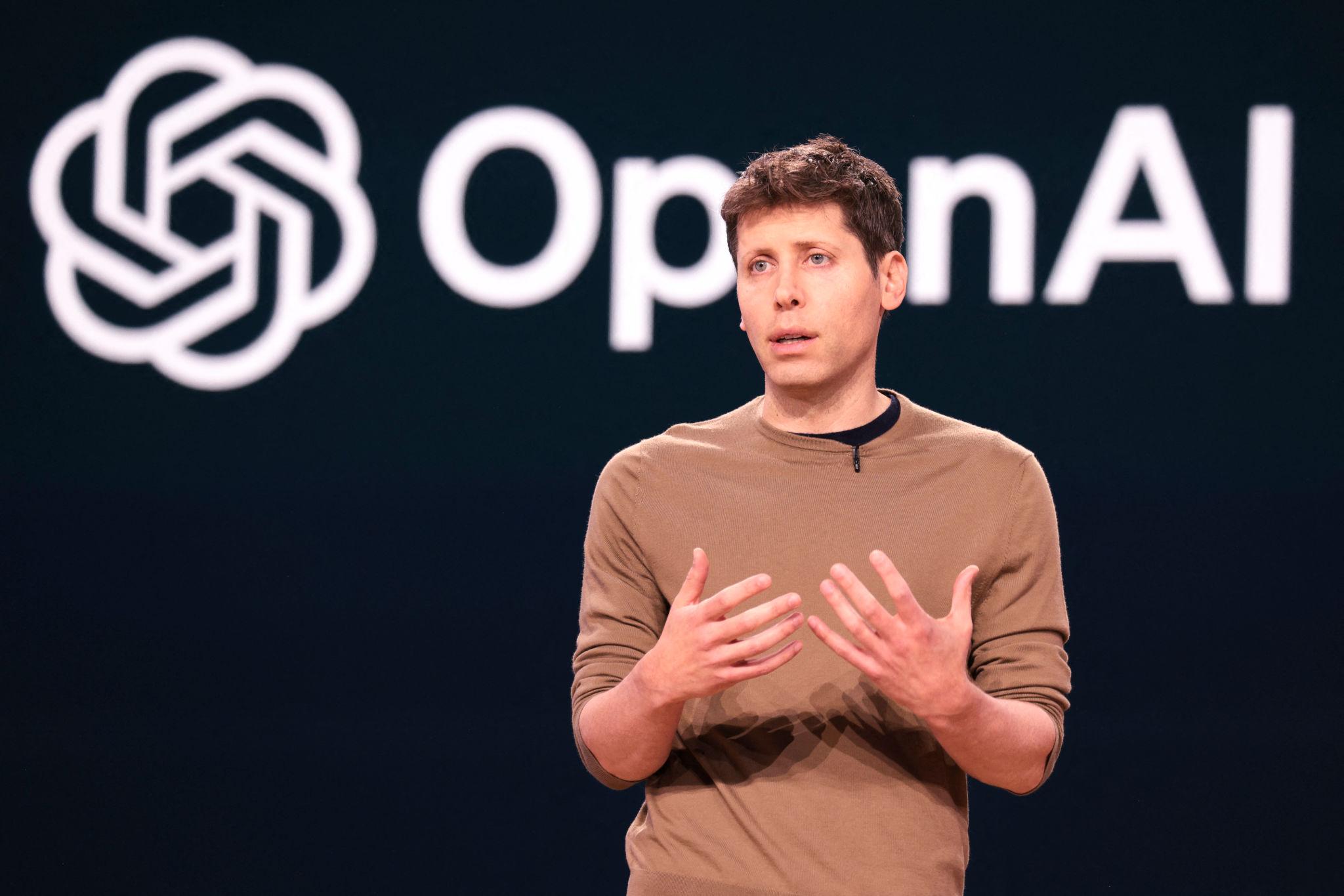
OpenAI's story began in late 2015, when Sam Altman, Elon Musk, and a group of like-minded technologists founded a nonprofit research lab. The original mission was purely humanitarian – building safe artificial intelligence for the benefit of society. But achieving global leadership demanded a shift to a commercial model capable of financing AI development at scale.
The launch of ChatGPT in late 2022 triggered a global race in generative AI. Today, OpenAI's technology stack – from the GPT language architectures to video generation through Sora – sets the direction for the entire industry. To maintain its technological lead, the company adopted a model designed to attract billions in capital for training the next generation of neural networks.
Who Invested and Why
The $110 billion round brought together some of the largest players in tech, each with distinct strategic interests:
- Amazon ($50 billion): the anchor investor. Beyond capital, this gives OpenAI deep access to AWS cloud infrastructure and Amazon's custom Trainium chips – critical resources for scaling neural networks at the pace the company requires.
- Nvidia ($30 billion): the world's leading chipmaker is investing in its largest customer. The partnership ensures OpenAI gets priority access to the latest GPUs, reinforcing the technological position of both companies.
- SoftBank ($30 billion): for Masayoshi Son, this is the largest single bet in the fund's history. The investment reflects his conviction that artificial intelligence will become the primary driver of the global economy.
Following the round, OpenAI's valuation reached $840 billion – putting it on par with public giants like Tesla and making it a systemically important player in the tech sector before it has even gone public.
Why $110 Billion?
The need for $110 billion stems from the unique economics of AI development, where costs rival those of the energy and aerospace industries. Three factors drive the number:
- Infrastructure at scale. Training next-generation neural networks demands enormous amounts of energy. The funds will go toward building massive data centers with power consumption comparable to that of entire cities. This allows OpenAI to build its own supercomputers and reduce its reliance on third-party cloud providers.
- Next-generation models. Each new generation of AI models requires exponentially more compute and data. The Stargate project and subsequent architectures represent a bet that artificial general intelligence is achievable within a foreseeable timeframe.
- IPO readiness. This round makes the company financially self-sufficient ahead of a public listing. For future shareholders, the participation of partners like Amazon and Nvidia serves as validation of the business model and strong market demand for the company's technology.
What This Means for the Market and Everyday Users
The era of simple chatbots is over. With Amazon's and Nvidia's resources behind it, OpenAI will be able to embed neural networks into real business workflows faster – from customer support to analytics and content generation. These tools are already being adopted by startups and corporations alike.
For everyday users, AI is no longer a standalone app. It is being woven into the services people already use: email, messaging, and productivity tools. Text, code, and voice are merging into a single interface. Before long, access to AI will feel as natural as mobile internet.
