

The Starship V3 era: Elon Musk reveals new goals and timelines for the 'Mars Express'
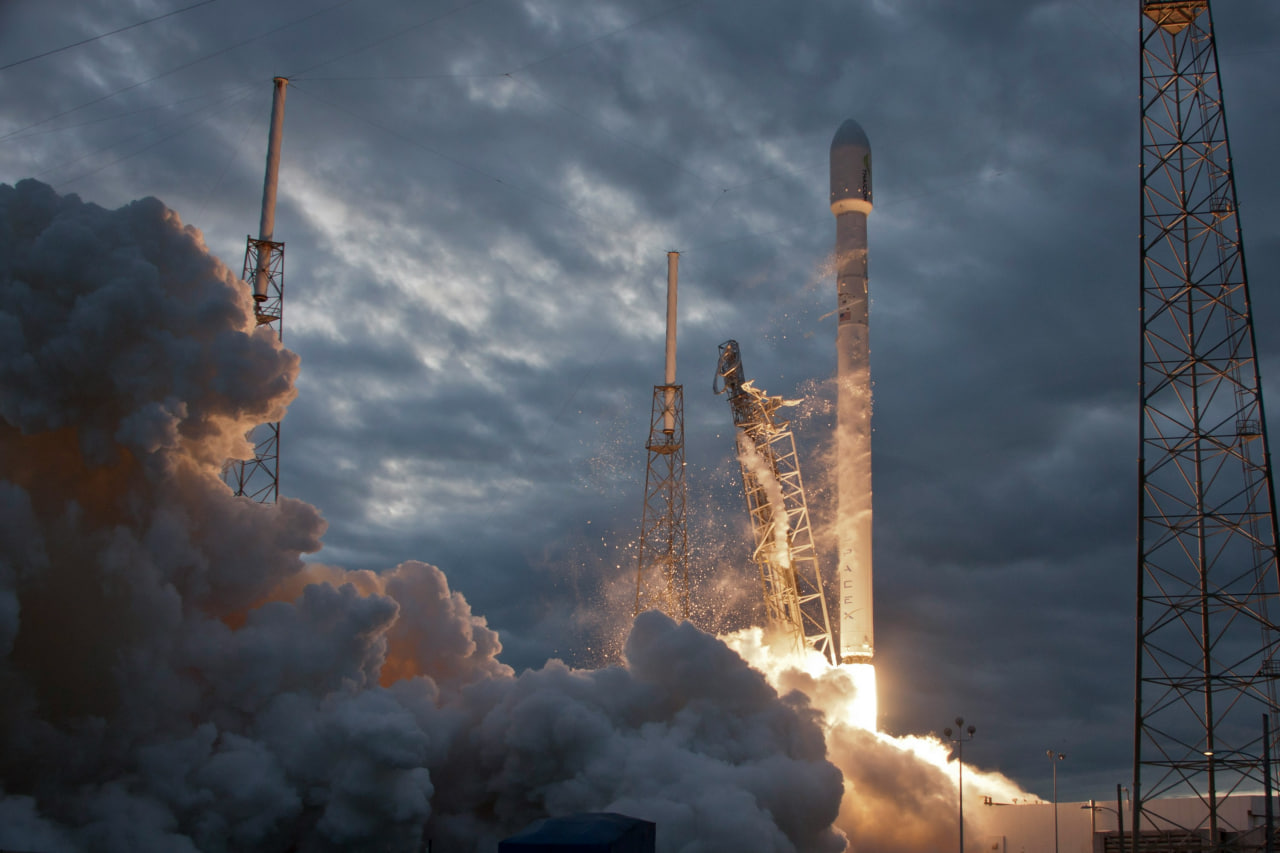
Elon Musk has officially confirmed a new timeline for the first test flight of Starship Version 3 (V3) – an upgraded version of the most powerful rocket in history. According to the SpaceX CEO, the launch was initially targeted for April but has since been pushed to May.
The announcement followed successful tests at the Starbase launch site in Texas, where prototypes are undergoing cryogenic testing.
The transition to V3 completes the Block 2 phase and opens a new chapter with a "production-ready" version of the rocket, one that could solidify SpaceX's leadership in deep space exploration and near-Earth infrastructure development.
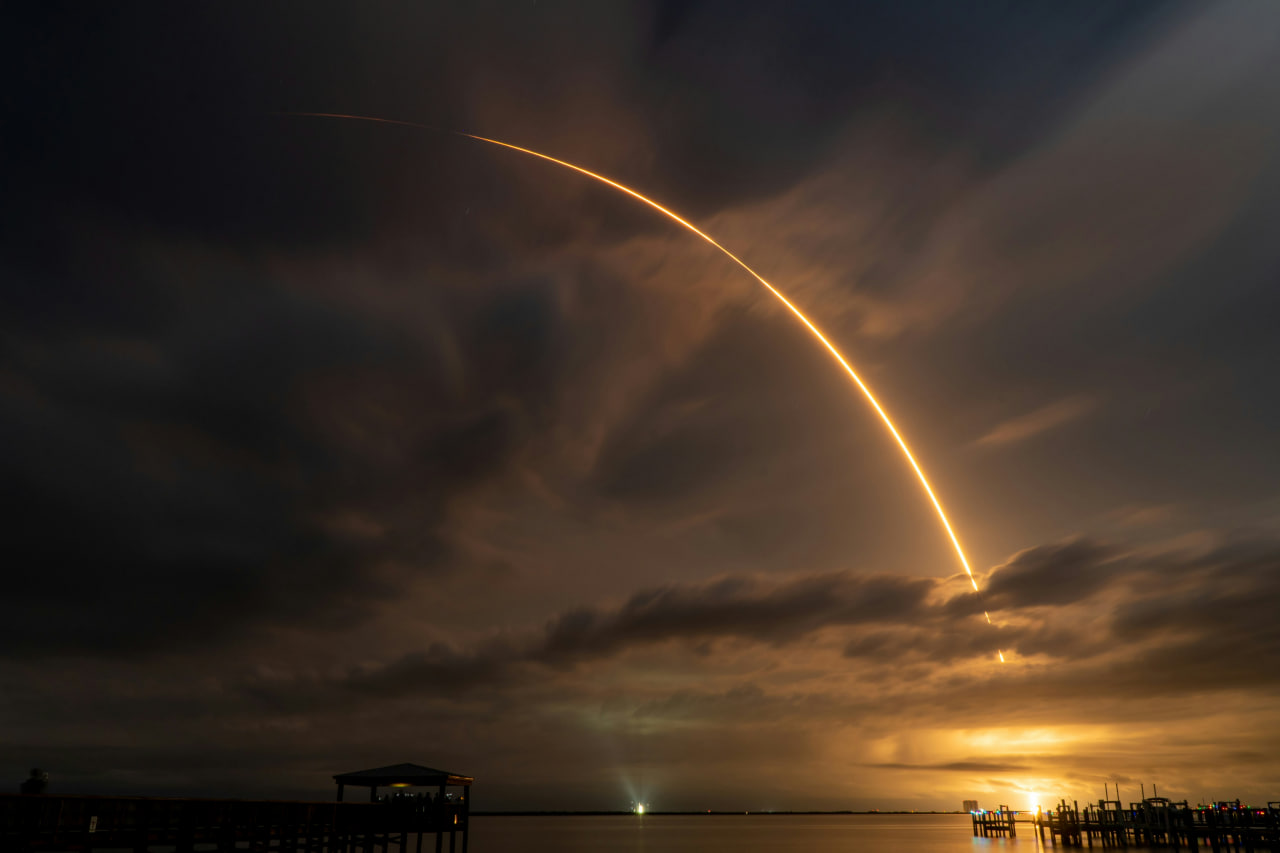
A technical breakthrough: how V3 surpasses previous versions
Starship V3 is a technological leap forward. The rocket is 1.5 meters taller, allowing for increased fuel tank capacity. The core changes are in the propulsion system: the Raptor 3 engine is lighter, more powerful, and easier to manufacture thanks to the elimination of complex external plumbing, improving the reliability of the entire system.
Key V3 specifications compared to V2:
- Payload capacity: the target for low Earth orbit (LEO) payload has increased from 35 to over 100 tonnes.
- Thrust: Raptor 3 optimization has increased the total thrust of the Super Heavy booster by approximately 50%.
- Controllability: three enlarged grid fins improve aerodynamics during return.
- Orbital refueling: in-space propellant transfer technology is a critical element for missions to the Moon and beyond.
But the key question is not just about specifications – it is how quickly this system can be brought to routine launch operations.
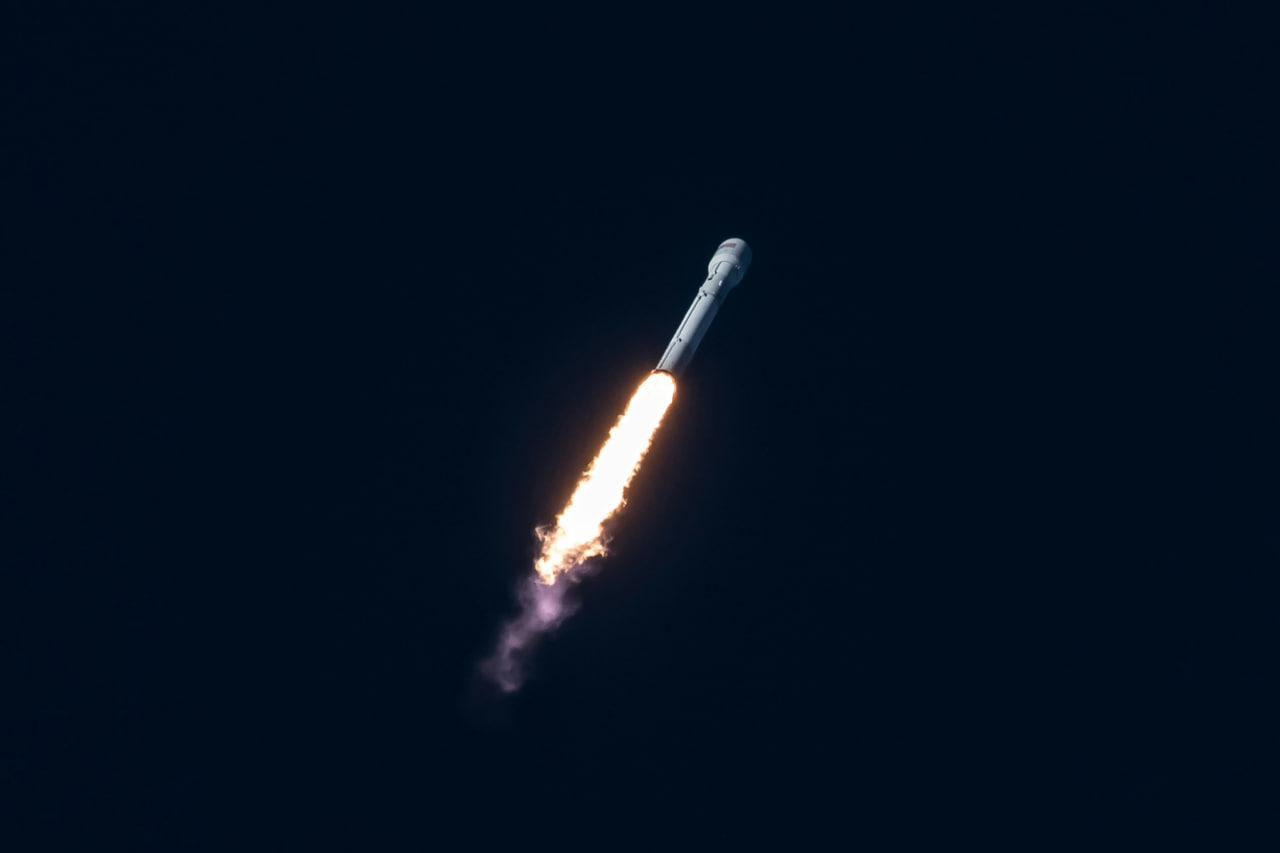
Pre-launch preparations: how V3 testing is progressing
Before the first launch, SpaceX is methodically validating the entire system – from the launch tower to the fuel infrastructure – configuring it for the new Starship version.
Preparation follows a continuous cycle: the booster is placed on the pad, then returned to the production facility for engine installation, and sent back for testing. The ship follows the same path – assembly and static fire tests. Once both stages are ready, they are stacked and rolled out to the launch pad. Before liftoff, a full dress rehearsal is conducted – a complete systems run-through without launch.
In parallel, landing procedures are already being refined. SpaceX ultimately plans to catch the ship using the tower's mechanical arms, but will first conduct a series of soft ocean landings to reduce risk before attempting a return to land.
"It's worth noting that SpaceX will only attempt to catch the ship with the tower after two flawless soft ocean landings. The risk of the ship breaking apart over land must be minimal," Elon Musk said on February 27, 2026.
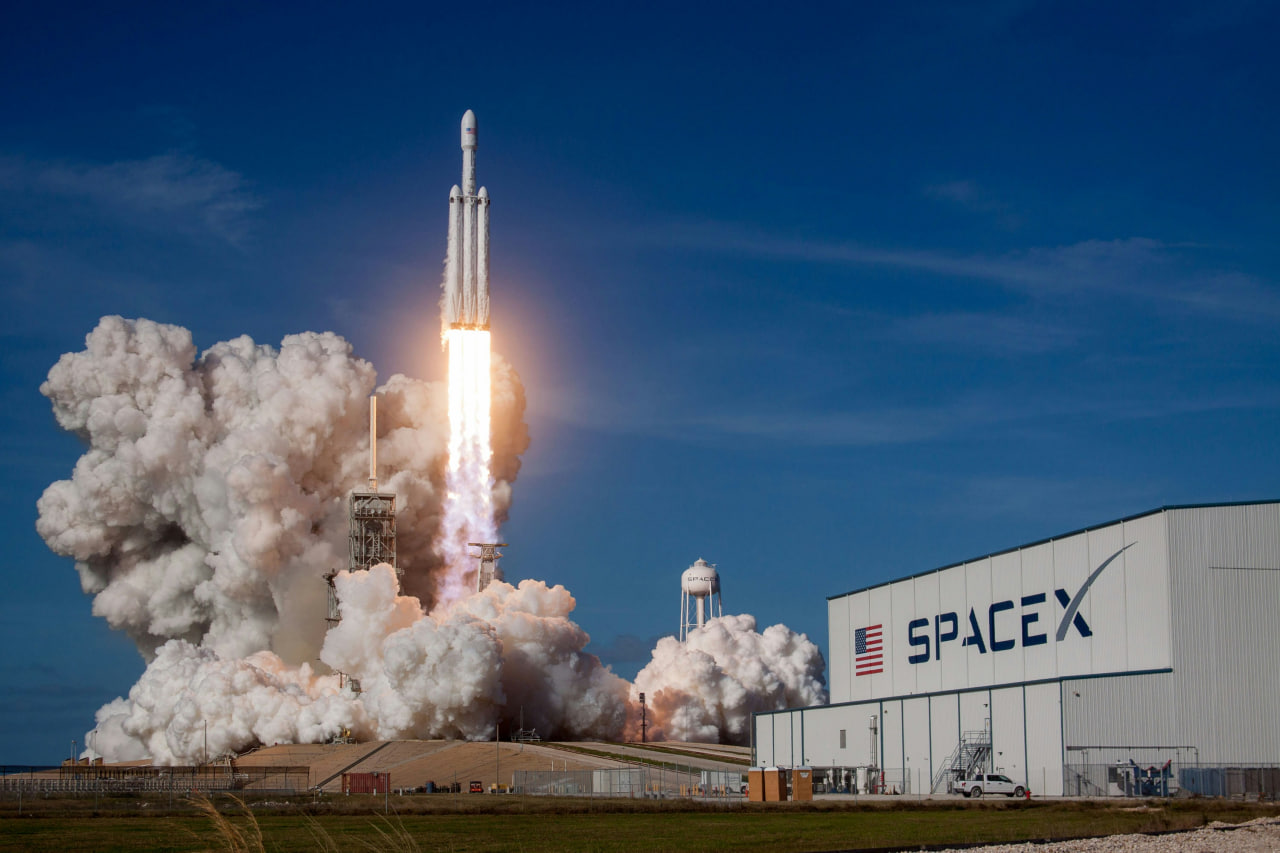
Historical context and SpaceX's path to dominance
To appreciate the scale of Starship V3, it helps to recall where SpaceX started. Founded in 2002, the company went from three failed Falcon 1 launches that nearly led to bankruptcy, to creating Falcon 9 – the world's first reusable orbital-class rocket.
Today, SpaceX controls approximately 85% of the orbital launch market. While in the early 2020s Starship seemed like little more than a concept, by 2026 it is a real program with 11 test flights completed.
A successful V3 launch could serve as an important confirmation that fully reusable rockets are not theory but working technology. It could also act as a catalyst for the market to reassess the company's value and drive greater interest from late-stage participants, including at the pre-IPO level. This trajectory is directly reflected in the company's financials.
Beyond rockets: SpaceX's economics ahead of its next growth phase
Ahead of the V3 launch, SpaceX's financial position looks strong.
Based on estimates for 2025 and early 2026:
- Revenue: approximately $15–16 billion, up roughly 18% year over year.
- Starlink as the key driver: around $10 billion (~65–70% of revenue), with over 9 million users.
- Company valuation: ranging from ~$350 billion to $800+ billion depending on the transaction.
- Cost reduction: V3 targets a significant reduction in per-launch costs.
SpaceX is no longer just about technology – it is a large-scale business with growing revenue and a strong product.
What the Starship V3 launch means for the market
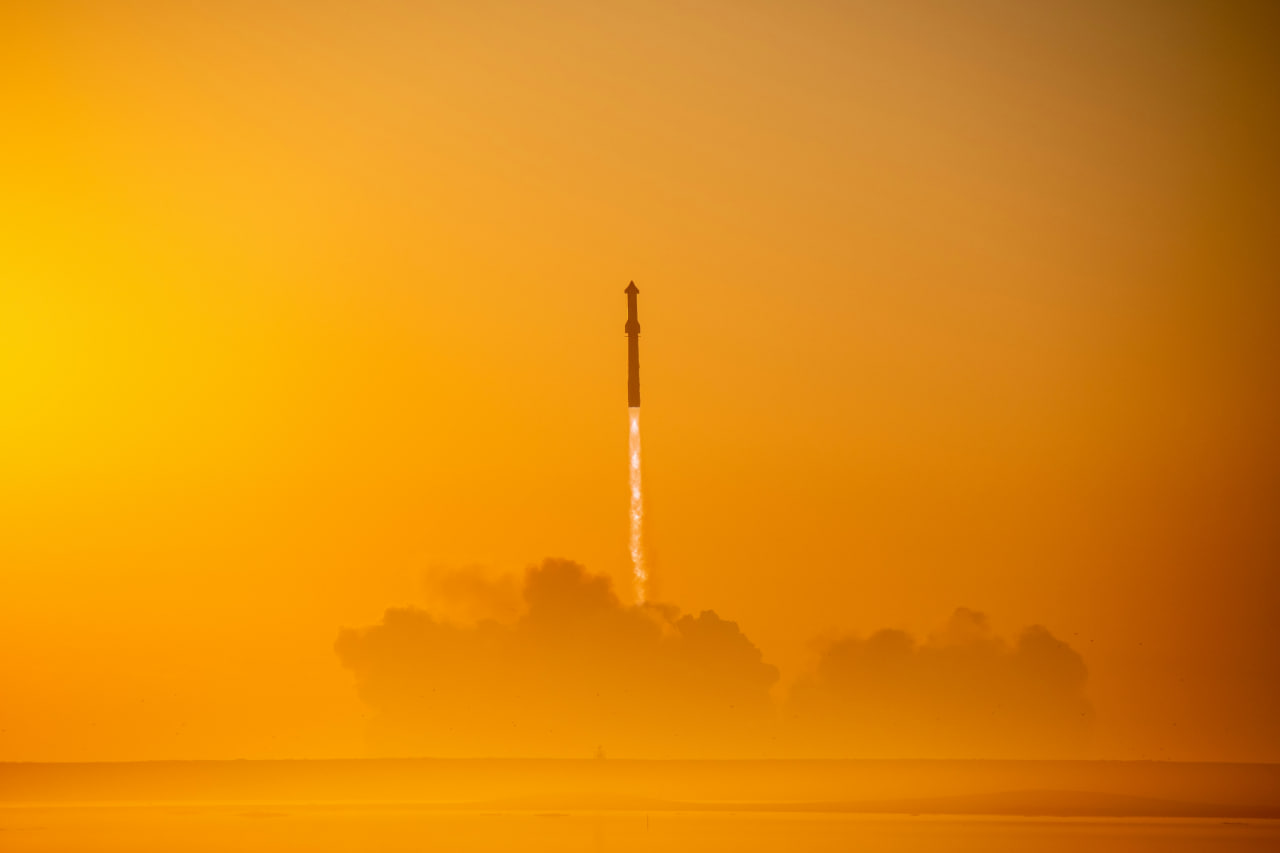
But what matters most is how these changes affect not just technology, but the entire market. The arrival of Starship V3 could mark a turning point for the global space industry.
- For the communications market: launching next-generation satellites could deliver high-speed internet worldwide and increase pressure on traditional telecom operators.
- For competitors: companies like Blue Origin and ArianeSpace risk falling further behind. Even partial success with V3 widens the gap in launch costs.
- For science and logistics: space is gradually becoming more accessible. This opens up possibilities ranging from orbital data centers to future lunar bases.
The May 2026 launch will be a critical test: can SpaceX turn Starship into a reliable, routinely operated system?
Starship V3 roadmap: what comes next
Elon Musk's recent statements indicate the project is entering its scaling phase.
Here is what lies ahead in the near term:
- Robots before pioneers. Musk is seriously discussing sending Optimus robots to Mars. The androids are meant to arrive first to prepare the base and take the load off future colonists.
- A new era of internet. The primary focus is on Starlink V3. These satellites are so large that only Starship will be capable of delivering them to orbit, enabling mass global coverage.
- A fueling station in orbit. One of the most ambitious goals is in-space refueling. SpaceX is preparing to test propellant transfer in orbit – without this technology, heavy-cargo missions to the Moon and Mars are simply not possible.
- Return to the Moon. SpaceX is preparing Starship for the Artemis program. The vehicle is designed to serve as a reliable lunar lander, delivering astronauts to the Moon's surface and safely returning them.
In essence, Starship is an attempt to reduce the cost of reaching space the same way the internet once reduced the cost of transmitting information. The project remains technically complex: timelines may shift, and some solutions still need to be validated in actual flights.
In this context, interest in late-stage opportunities continues to grow. The Regolith platform offers access to pre-IPO deals with companies including SpaceX, as well as other technology ventures that have already reached a sustainable model and are preparing for their next phase of growth, such as:
For those looking at this space, it is less a story about rockets and more about the creation of new infrastructure that could reshape the economics of entire industries.
