

Startups and Venture Capital: How Risk and Faith in an Idea Built World-Leading Companies
In 1957, banks refused to fund eight engineers who decided to leave the lab of Nobel laureate William Shockley. They had no factory, no product – just an idea and the belief that the future was in silicon. Private investor Arthur Rock found $1.5 million for them, and from that gamble, Intel, AMD, and the entire Silicon Valley were born.
Venture capital involves investing in companies at an early stage when the product is still under development, and demand is unproven.
This is a higher-risk investment, with no guarantee of success, but it’s also the force behind companies that revolutionized entire industries – Google, Amazon, Tesla, and Nvidia were once bets placed by one or two early investors who saw potential ahead of the market.
This approach is for those who are willing to take high risks for the chance to enter a business at the earliest stage. In this article, we will examine how the venture capital industry works today and the opportunities it presents.
From the “Traitorous Eight” to Legendary Garages: The Birth of Venture Capital
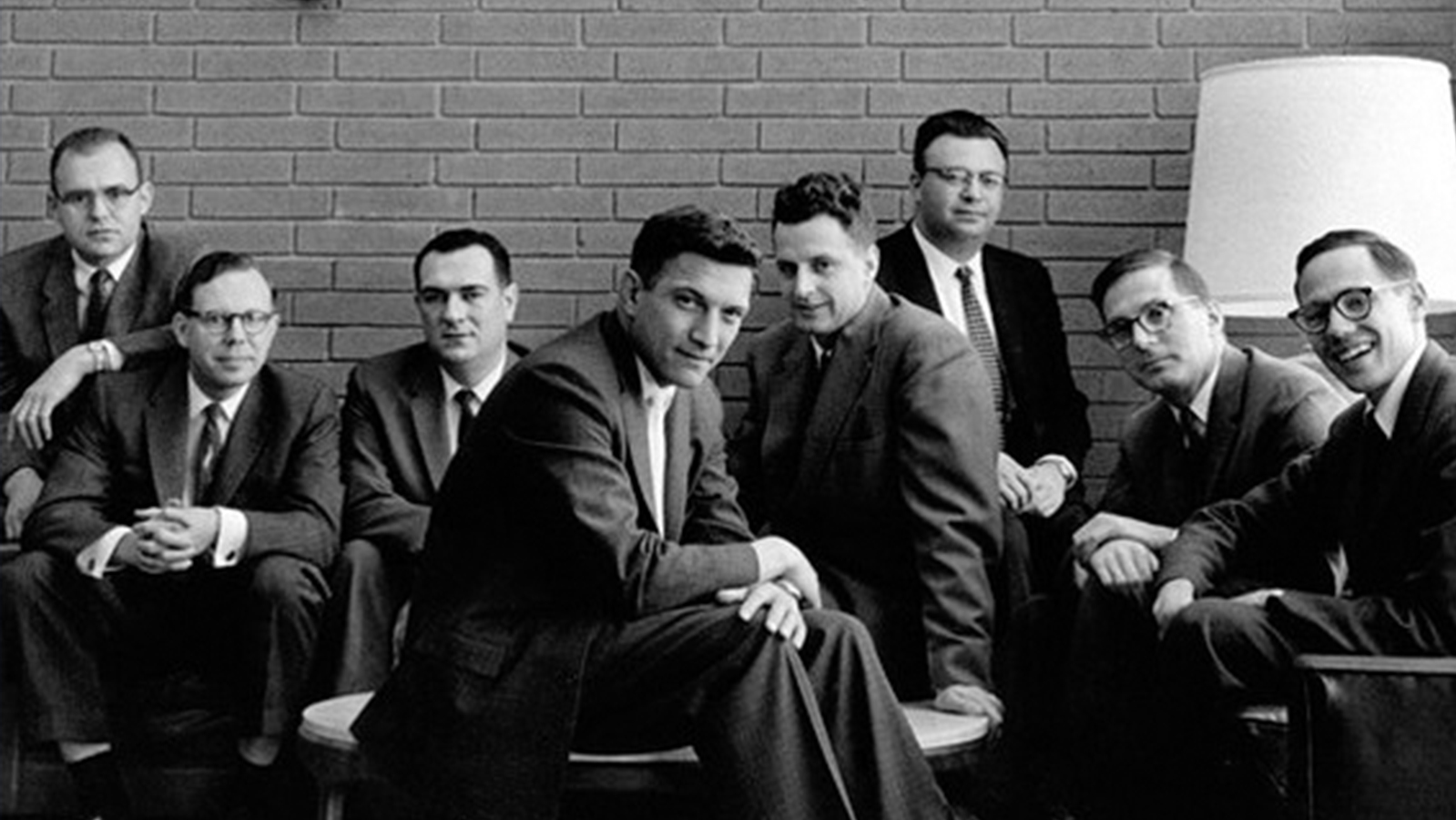
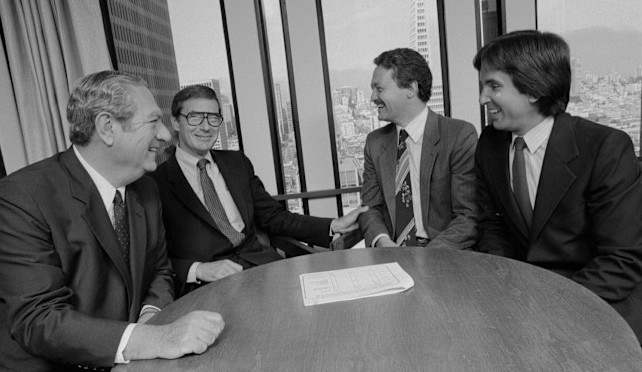
The venture industry started with a conflict. In 1957, eight engineers left Nobel laureate William Shockley’s lab – they believed the future was in silicon transistors, not the outdated materials Shockley supported. The group decided to leave and pursue their idea independently. Their bet on silicon would later give birth to the legendary Silicon Valley.
At that time, it was an unprecedented risk to leave a stable corporation for total uncertainty. Their colleagues called them the "traitorous eight", and banks refused to lend, unable to understand how to finance "ideas" without physical assets as collateral. That’s when young Wall Street banker Arthur Rock applied a radically new approach to funding: he sought private capital, willing to take risks for ambitious ideas and the potential of the engineer team.
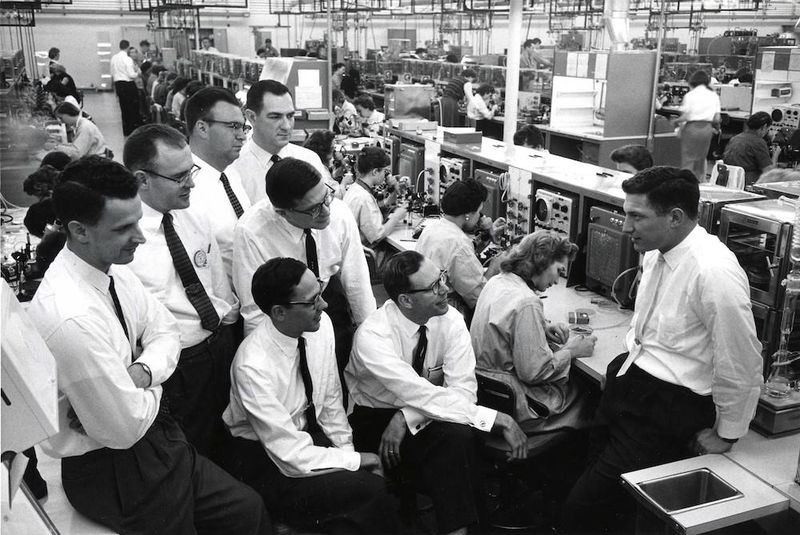
This led to the creation of Fairchild Semiconductor – the first-ever company founded on venture capital. It laid the foundation for the semiconductor industry, bringing together leading physicists, engineers, and managers of the time. However, over time, conflicts arose between the California team and the New York-based owners. The East Coast leadership didn’t understand the technology and refused to give the engineers equity, treating them as ordinary employees.
This led to a mass exodus of key talent, who went on to start their own companies based on Fairchild’s model. Over the next 20 years, former Fairchild employees founded more than 65 independent businesses, including Intel and AMD. This process turned Fairchild into the primary source of talent and technology, forming the structure of modern Silicon Valley.
This case forever changed the financial world: investors realized that investing in talent could yield higher returns than traditional bonds or commodity stocks. During this period, a new American business culture emerged, where risk and the right to make mistakes became the foundation of progress.
Over Rules: How Mike Markkula Saw Apple When Banks Saw Only a Garage Hobby
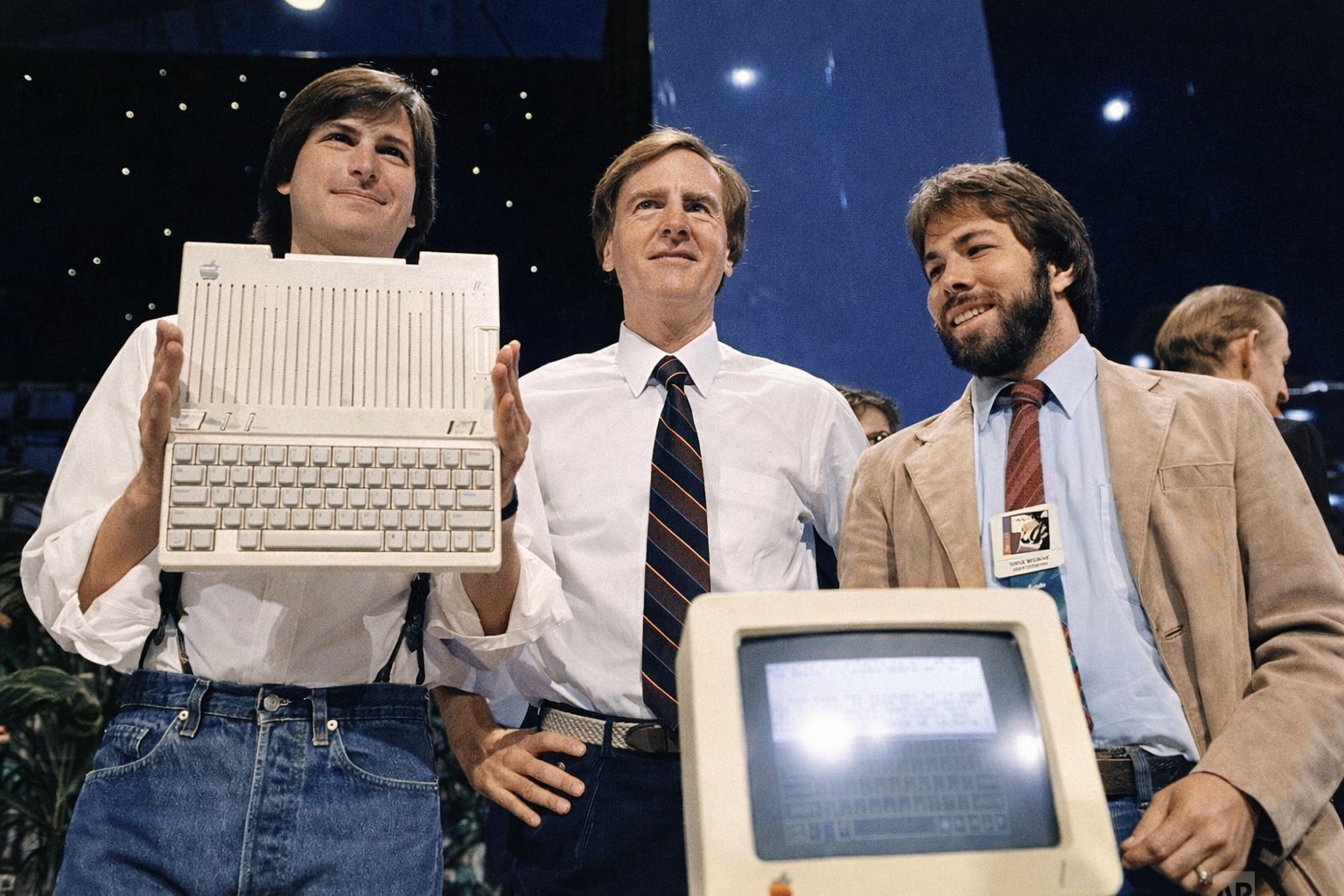
When Steve Jobs and Steve Wozniak were building their first computer in a garage, the idea seemed absurd – a computer at home? It was a machine for scientists, not for regular people. But Mike Markkula thought differently. He invested $250,000, but his main contribution was transforming the garage project into a full-fledged corporation. By developing Apple’s first business plan, he taught Jobs to focus on market needs and formulated the core strategy: “Apple’s philosophy is empathy toward the customer.” Moreover, Mike secured capital for the company, personally guaranteeing its bank loans.
A venture capitalist is more than just money. It’s about management experience, industry connections, and a reputation that works for the project. Most importantly, it’s about being ready to back a team when no one else has invested a single dollar.

Dot-Com Crash (2000): A Hard Lesson for Venture Capital
The history of venture capital is not only about triumphs. In the late '90s, a frenzy surrounded internet companies: the market capitalization of ".com" projects skyrocketed, even though they had no product or profit. By March 2000, the NASDAQ Composite hit a peak of 5048 points, followed by a sharp drop.
The crash was caused by an excess of speculative capital (investing to quickly resell stocks at a profit) and the tightening of U.S. monetary policy – the Federal Reserve raised interest rates, making borrowed money more expensive. Investors began mass selling stocks of overvalued companies without sustainable business models. By October 2002, the NASDAQ index had fallen by 78%, and thousands of startups went bankrupt due to the end of venture funding and inability to cover operating costs.
The dot-com crash forced investors to change priorities: instead of chasing user numbers, they began demanding real revenue and a clear path to profitability. Only companies that could demonstrate the viability of their models survived.
For example, Amazon survived the crash because it had a working warehouse and logistics system, and its product sales grew each year. Google launched contextual advertising during the crisis, transforming its search engine from a free service into a profit-generating machine capable of self-sustaining itself. These examples showed the market: long-term venture success is impossible without a product people are willing to pay for and a company capable of controlling its expenses.
Evolution of Venture Capital: From Semiconductors to SpaceX
Venture capital began with “hardware” – microchips and transistors. Today, it spans industries like space, finance, medicine, communications, and many others.
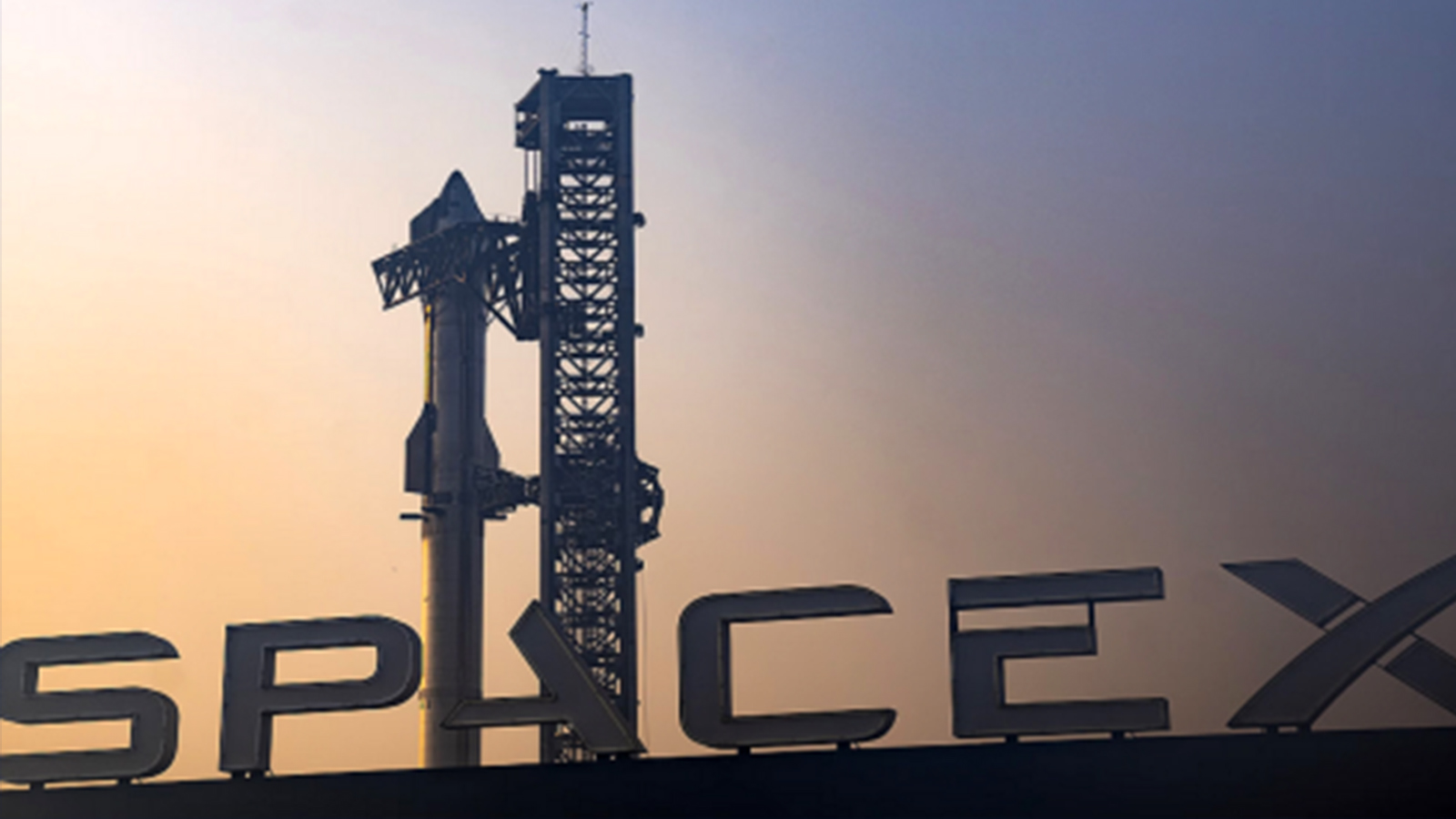
- SpaceX (Space Industry): When Elon Musk presented the idea of private rockets, only a few believed in its success. The first three launches failed, and funds were running out. Today, SpaceX conducts more launches than traditional government programs, and the company is valued at over $350 billion.
- Discord (Communications): Initially a chat platform for gamers, now it has over 200 million active users, including business teams, educational projects, and entire communities.
- Black Rock Coffee Bar (FoodTech): A coffee chain from Oregon that started with one location, attracted venture capital, scaled, and went public via an IPO. Even the coffee business today is part of venture capital.
- Legence (Energy Efficiency): A company focused on modernizing buildings and infrastructure to reduce energy consumption. It went public via an IPO in 2025.
- Figure (Fintech): A blockchain platform for lending and financial transactions. This is an example of how technology is transforming traditional banking.
The Math of Venture Capital: The Rule of One Success
A venture portfolio works on the principle of compensation: one successful deal can offset dozens of failures. Imagine you invested in three companies:
- Company A (Quibi): Mobile streaming, $1.75 billion invested. Closed 6 months after launching in 2020. No one wanted to pay for short videos when YouTube and TikTok existed.
- Company B (Jawbone): Fitness bracelets, $930 million invested. Failed to compete with Fitbit and Apple Watch. Closed in 2017.
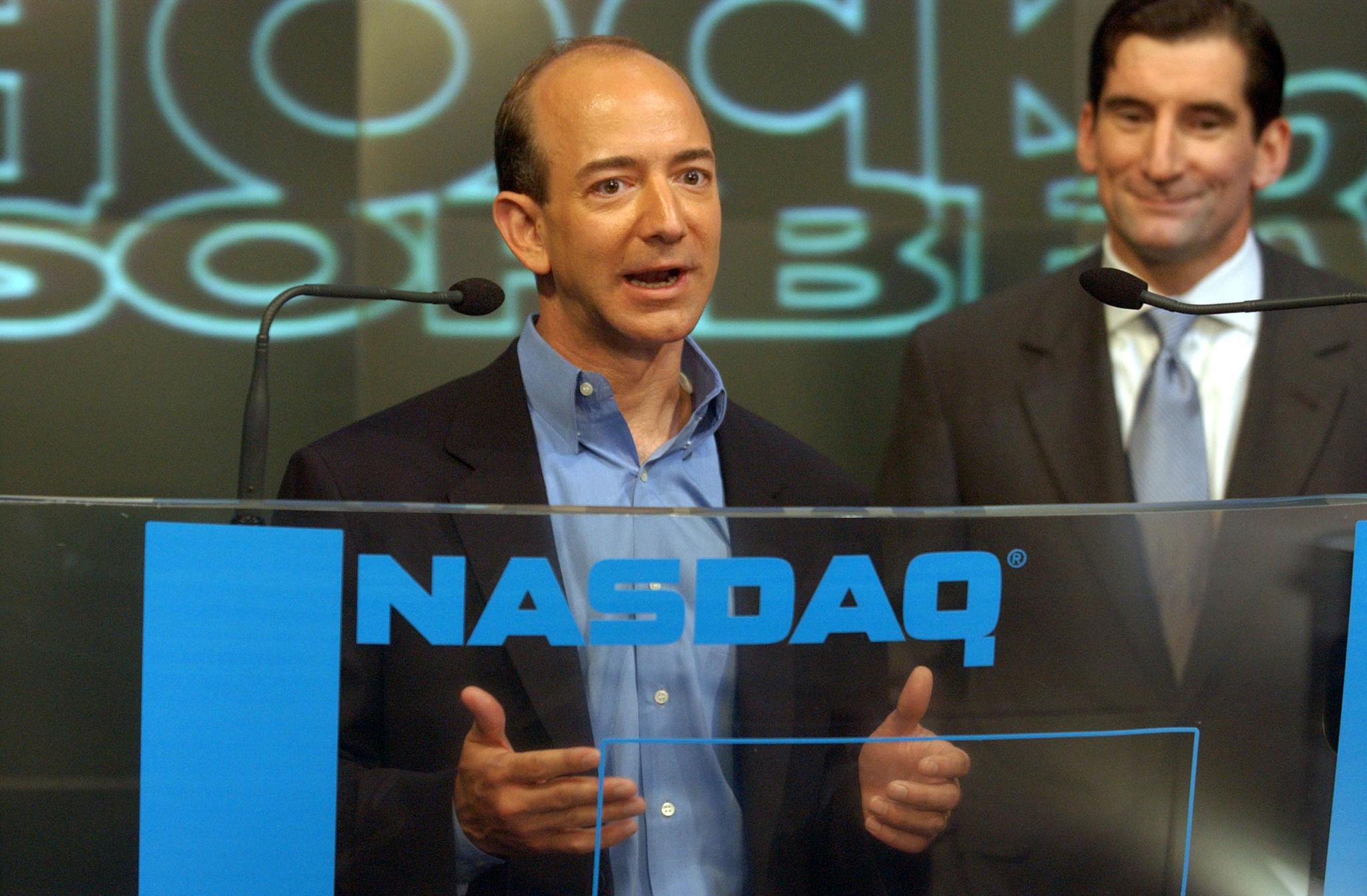
- Company C (Amazon): Jeff Bezos raised $1 million from family and friends, later securing venture funding from Kleiner Perkins. IPO in 1997 at a valuation of $438 million. Now worth over $2 trillion.
This is the essence of venture capital: an investor spreads the risks, understanding that not every project will become a leader. But even one “giant” in the portfolio not only recovers all losses but also significantly boosts the overall balance. The key goal is not to guess every project. Statistics allow for a high failure rate, as the main task of the investor is to find the one project that will ensure the success of the entire portfolio.
Conclusion: Invest and Forget?
Investing in startups is a long-term strategy (3 to 7 years). It’s not trading, where you monitor currency rates and charts daily. You enter the project at its "infancy" stage at a minimal cost and give the team time to develop the product.
Will the investments grow or not? It’s always a risk. Even when Mike Markkula wrote the check for Apple, no one knew if personal computers would become a reality or remain a hobby for enthusiasts. That project could have failed too.
The willingness to take risks allows you to become a co-owner of technologies that will become commonplace in the future. On the Regolith marketplace, you can build a portfolio of Pre-IPO companies.
