

'It'll never work': three ideas that became the world's largest companies
In the venture community, there's a rule: if an idea seems obvious to everyone, it's already too late to get in. The biggest fortunes were built on projects that drew nothing but skepticism from experts at the start.
Here are three stories where bold hypotheses became the foundation of the modern economy – and delivered extraordinary returns to those who believed in them first.
Amazon: a bet on e-commerce that reshaped global retail
In 1994, Jeff Bezos held the position of vice president at a major Wall Street firm. Despite a successful career, he quit, moved to Seattle, and started shipping books out of a garage.
The market challenge:
In the mid-90s, the internet was slow and unreliable, used mainly by tech specialists. Bezos believed that people would soon get used to paying online and ordering goods delivered to their door.
Nobody understood: why wait a week for a package when you can walk into a bookstore around the corner? Analysts predicted collapse – warehousing and logistics costs were supposed to destroy the business. The company operated at a loss for the first six years, and headlines like "Amazon.bomb" prophesied its demise.
How it works today:
Amazon has long outgrown the online store model. The company became the central link between product and buyer. It owns the servers that power half the internet (AWS), its own logistics network, smart devices, and streaming services.
The investment lesson:
The Amazon case proved that customer convenience matters more than quick profits.
Apple: from devices to a digital ecosystem
In 1997, Steve Jobs returned to Apple when the company was on the verge of bankruptcy. He shut down dozens of secondary projects and focused on building devices where the hardware, processor, and operating system are developed as a single mechanism.
The market challenge:
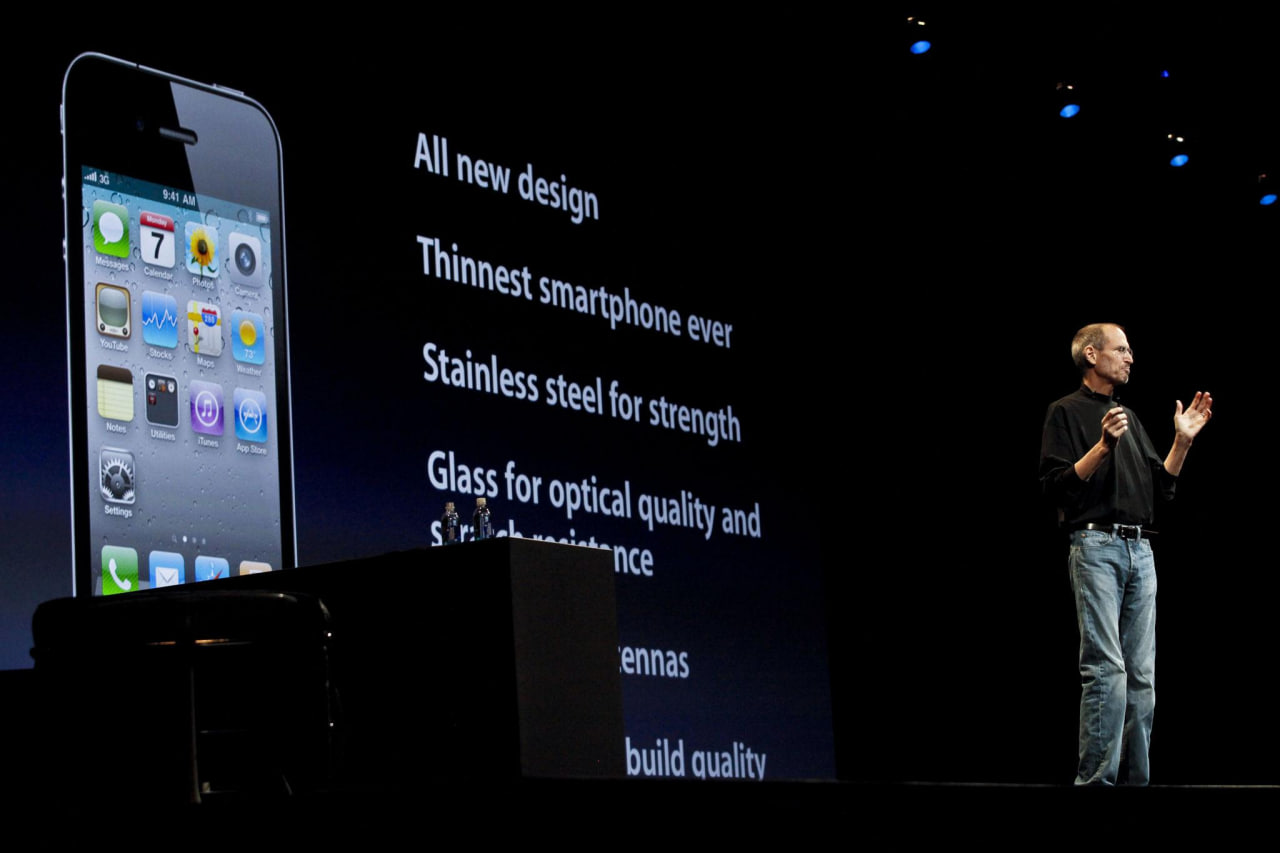
In 2007, the market was dominated by button phones with week-long battery life. When Jobs unveiled the iPhone – a touchscreen gadget requiring daily charging – experts were skeptical. Typing on glass is uncomfortable, the battery is weak – who needs this?
How it works today:
Apple created not a phone, but an ecosystem of services and apps that became part of everyday life for millions. The company's market cap was the first in the world to exceed $3 trillion. Brand loyalty and ecosystem convenience turned out to matter more than hardware specs.
The investment lesson:
User attachment to a system creates a more resilient business than a race for more powerful hardware.
SpaceX: the bet almost nobody believed in
In 2002, Elon Musk founded SpaceX – a private aerospace company. The goal: reduce the cost of space launches and make rockets reusable. The company started by developing its own engines to avoid dependence on government contractors.
If Amazon and Apple once seemed like odd ideas, SpaceX looked like a project with an extremely high level of risk.
The market challenge:
Space had always been the domain of governments. Only the USSR and the US could afford to launch rockets, spending billions in the process. When Musk declared that a private company could deliver cargo to the ISS and return rocket stages, almost nobody believed it.
The first three launches ended in failure, and the company was on the brink of bankruptcy. Many advised Musk to give up – the concept of reusable rockets was considered unrealistic.
How it works today:
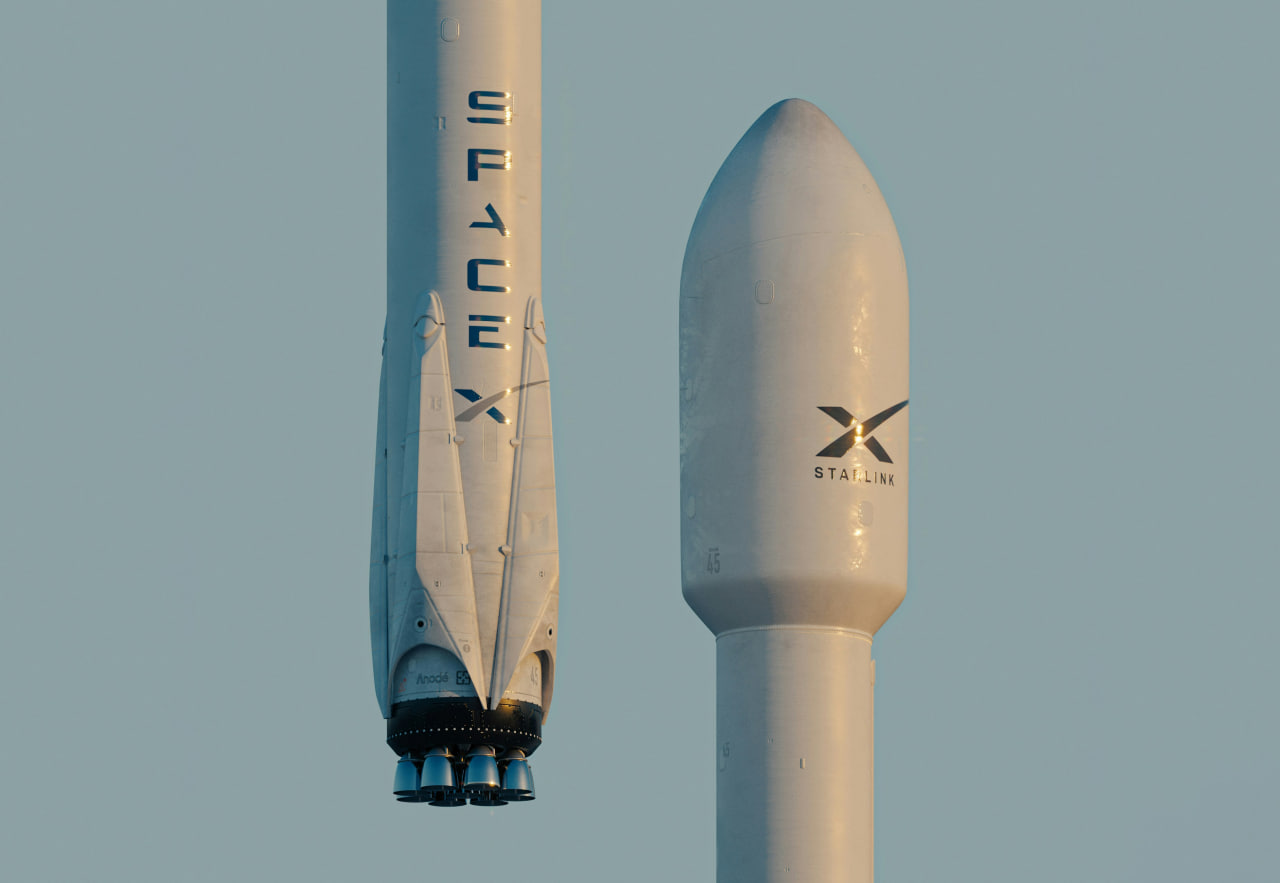
SpaceX is one of the key players in the space industry. The company launches Starlink satellites, delivers cargo and astronauts to the ISS, and has dramatically reduced launch costs.
The investment lesson:
- SpaceX demonstrated that private companies can transform entire industries that were once considered off-limits.
- The impact is already tangible: Starlink satellite internet provides connectivity where it never existed before – in remote regions, at sea, and in conflict zones. Lower launch costs are making space technologies more accessible – from navigation and communications to climate and natural resource monitoring.
The takeaway for investors
Early on, only a handful of people believe in projects like these – the founders and a few investors. Venture investing is built on hypotheses: the team, the product, the market, and the willingness to grow faster than everyone else.
The risks are higher than on the public market – some projects shut down, and investments can be lost. But a single successful deal can more than offset losses from the rest.
Pre-IPO projects currently available on Regolith include Discord, MetaMask, OpenSea, Kraken, and others.
And it's worth remembering: by the time an idea becomes obvious to everyone, most of the growth is already behind it.
