

New Opportunities on Regolith: Build a Diversified Long-Term Portfolio with ETFs

ETF (Exchange-Traded Fund) is a fund that bundles shares from an entire sector or market into a single basket. It trades on the exchange like a regular stock, but buying one gives you broad diversification – spreading your portfolio across dozens or even hundreds of companies. Today, ETFs are used by individual and institutional players alike, including the largest hedge funds. They're one of the most popular ways to access the market.
Six new ETFs are now available on the Regolith platform, selected for different goals: from capital protection through gold to exposure in energy and semiconductors.
For more on how ETFs work, why the U.S. market attracts global capital, and what risks to keep in mind, see our previous article.
We've already covered the core six funds: SPY, AIQ, BOTZ, GLTR, SOXX, ARKG. You can find a detailed breakdown and characteristics of each in our previous article. Below, we'll look at the new instruments so you can choose the right fit for your portfolio.
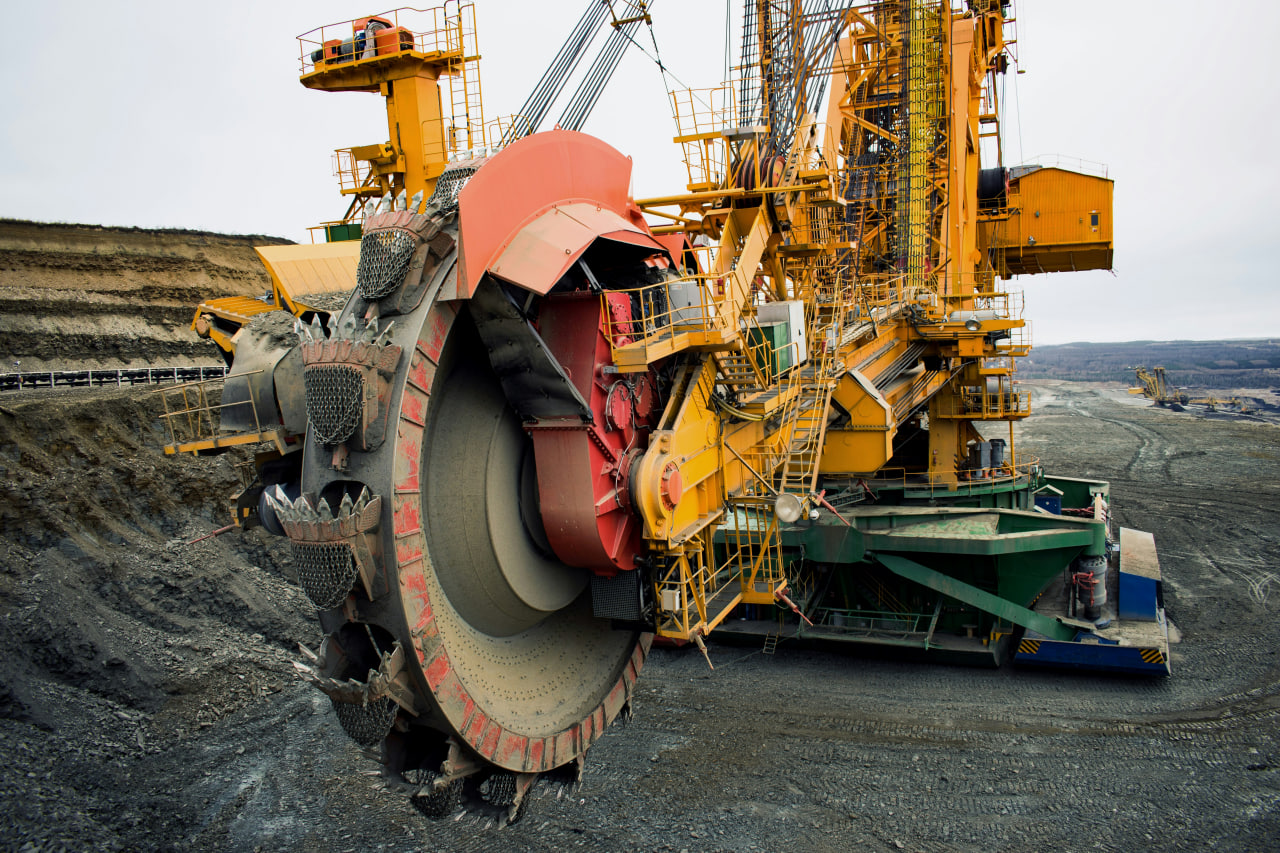
RING: Gold Mining as an Asset
RING (iShares MSCI Global Gold Miners ETF) focuses not on gold itself, but on the companies that mine it. The fund includes the world's largest mining corporations: Newmont, Barrick Gold and others. Through Regolith, you gain exposure to real production, where returns depend on operational efficiency and gold prices.
Role in your portfolio
Gold mining stocks react to rising gold prices more aggressively than the metal itself. The mechanics are straightforward: when gold goes up, extraction costs stay the same, but net profit per ounce grows exponentially. That's why RING can deliver higher returns than buying bullion.
The fund appeals to those who want to capitalize on growing gold demand, not just park capital in safe-haven assets. Inside are global leaders whose operations remain resilient through periods of inflation and uncertainty.
Learn more about RING ETF characteristics.

Nuclear Power: URA
URA (Global X Uranium ETF) focuses on the uranium industry. It brings together companies across the full cycle: from exploration and mining to manufacturing equipment for the nuclear sector.
Role in your portfolio
This is a bet on the global energy transition. The world has re-embraced nuclear energy as clean and essential. Uranium is a scarce resource, and demand is growing. URA suits those with a long-term view, positioned for the resurgence of nuclear power as a cornerstone of future energy security.
URA is often chosen for targeted sector exposure: the fund provides access to companies involved in uranium extraction and processing. Limited uranium supply and new nuclear plants launching worldwide make this one of the most compelling plays in the commodities space.
Learn more about URA ETF characteristics.

The Heart of the Digital World: SMH
SMH (VanEck Semiconductor ETF) holds the 25 largest companies in the semiconductor sector – the ones building the "brains" behind all modern electronics, from household appliances to supercomputers.
Role in your portfolio
The primary growth driver in the age of artificial intelligence. Inside the fund: NVIDIA, TSMC, ASML and Broadcom. Without their products, data centers, cloud services and EVs simply don't function. SMH lets you profit from the rise of technology without trying to pick a single winner in the fierce competition among tech giants.
SMH is often used to strengthen the aggressive portion of a portfolio: the fund tracks chipmakers, so its performance mirrors the trajectory of AI and global digitalization. The dominance of its holdings and the critical importance of semiconductors make SMH a key component of a modern portfolio.
Learn more about SMH ETF characteristics.
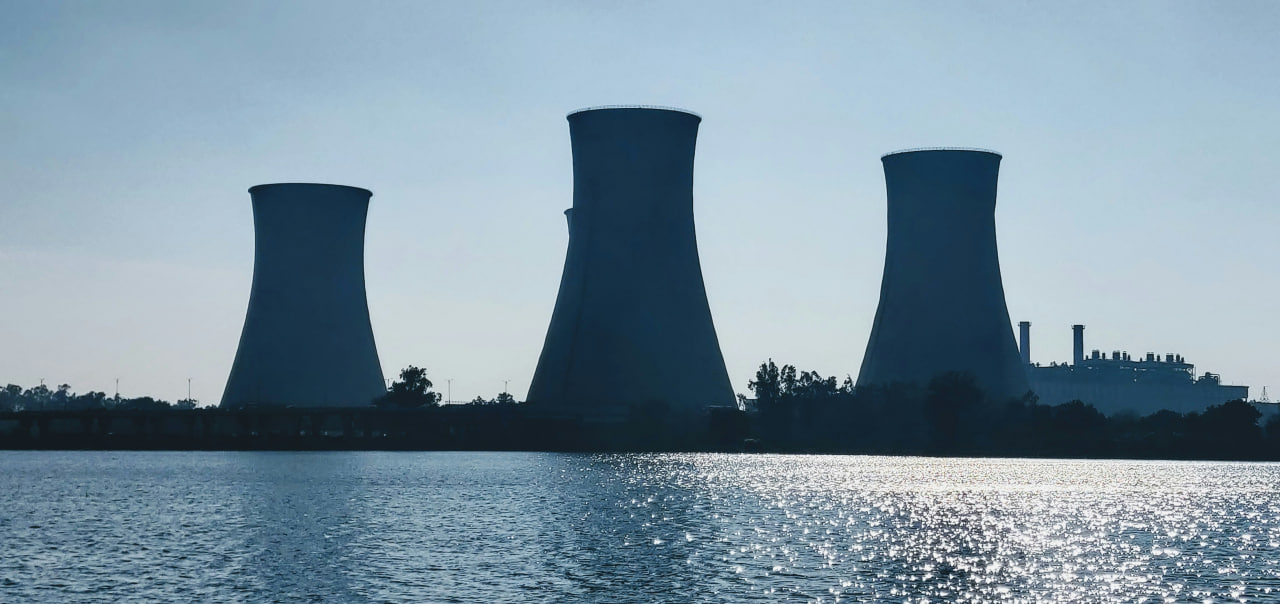
Nuclear Infrastructure: NLR
NLR (VanEck Uranium+Nuclear Energy ETF) takes a broader view of the industry than the commodity-focused URA. It includes not only miners, but also companies that build, service and operate nuclear power plants.
Role in your portfolio
This is exposure to the energy backbone, where returns come from long-term service and operations contracts. A steadier way into the nuclear theme: less dependency on uranium price swings, more stable underlying business. The fund suits those looking for a balance between a high-potential sector and the reliability of companies backed by government contracts.
NLR is often used as a more stable alternative to funds that are heavily tied to resource price volatility. Its performance reflects the health of the entire nuclear energy cycle. Consistent revenue from utility companies and global policy support for the sector make it a popular choice for those who prefer a systematic approach.
Learn more about NLR ETF characteristics.

The U.S. Industrial Core: VIS
VIS (Vanguard Industrials ETF) represents the backbone of the American economy. The fund spans the entire industrial sector: from aerospace, defense and space to logistics and heavy machinery.
Role in your portfolio
This is exposure to companies with real physical assets. The fund holds giants like Caterpillar, GE Aerospace and Union Pacific. Their own factories, transport fleets and railroads allow these businesses to operate steadily regardless of short-term market fluctuations. VIS helps balance a portfolio, providing a buffer against sharp swings in the tech sector.
The fund's performance is directly tied to the success of manufacturing companies, making it a clear barometer of the real economy. The resilience of these assets makes VIS a classic choice for risk diversification.
Learn more about VIS ETF characteristics here.
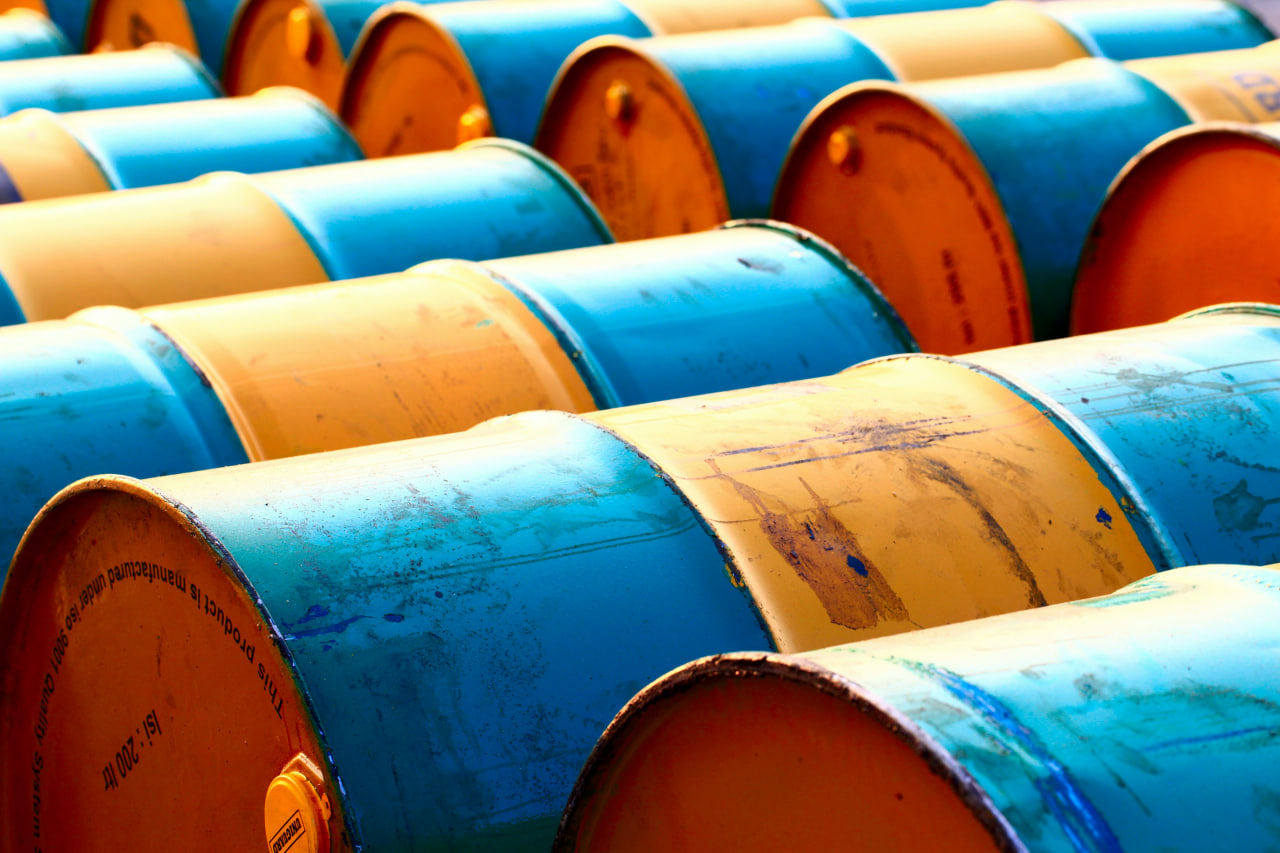
Energy Giant: VDE
VDE (Vanguard Energy ETF) brings together leaders of the oil and gas sector – the business that powers global logistics and industry: extraction, refining and distribution of traditional fuels.
Role in your portfolio
This is exposure to the top names in oil and gas. The fund's core holdings include ExxonMobil and Chevron. Their shares typically rise alongside oil and gas prices, while regular shareholder payouts provide a steady dividend stream.
The fund is often used to hedge against inflation and rising fuel costs. Its price is directly linked to the earnings of the world's largest energy companies. The entrenched position of these giants in the global economy makes VDE a solid option for those who value reliability and predictable income.
Learn more about VDE ETF characteristics here.
Building Strategies with 12 ETFs
Regolith now offers 12 ETFs covering different sectors and strategies. This makes it easy to build a portfolio for any objective, combining established indices, safe-haven assets and high-potential niches like technology or commodities.
A strong portfolio balances proven fundamentals with forward-looking themes.
Here are three sample allocations:
- Conservative (stability-focused). The core is built around the S&P 500 (SPY) and U.S. industrials (VIS) – historically lower-volatility holdings. The defensive sleeve is reinforced with precious metals (GLTR) and gold miners (RING). This portfolio prioritizes capital preservation and aims to smooth out drawdowns during periods of uncertainty.
- Balanced (diversified growth). Starting from the same SPY core, this approach layers in energy and nuclear infrastructure (VDE, NLR) to offset the tech-heavy growth names (AIQ, BOTZ). The goal is to participate in broad economic expansion while distributing risk across sectors – from oil to artificial intelligence.
- Thematic and aggressive (trend-driven). This allocation moves away from broad-market exposure (SPY) and concentrates on high-growth niches: semiconductors (SMH, SOXX), biotech (ARKG) and uranium (URA). The trade-off is higher sensitivity to sector-specific news and commodity price swings, which can drive significant moves in either direction.
The right mix depends on your goals, time horizon and risk tolerance.
Regolith lets you combine all 12 ETFs in any proportion.
This gives you the flexibility to adjust on the go – rotate toward stability or shift into higher-momentum sectors as the market moves.
