


Marketplace Regolith
Your investment opportunities


SpaceX
SpaceX
Space launches, connectivity, and AI
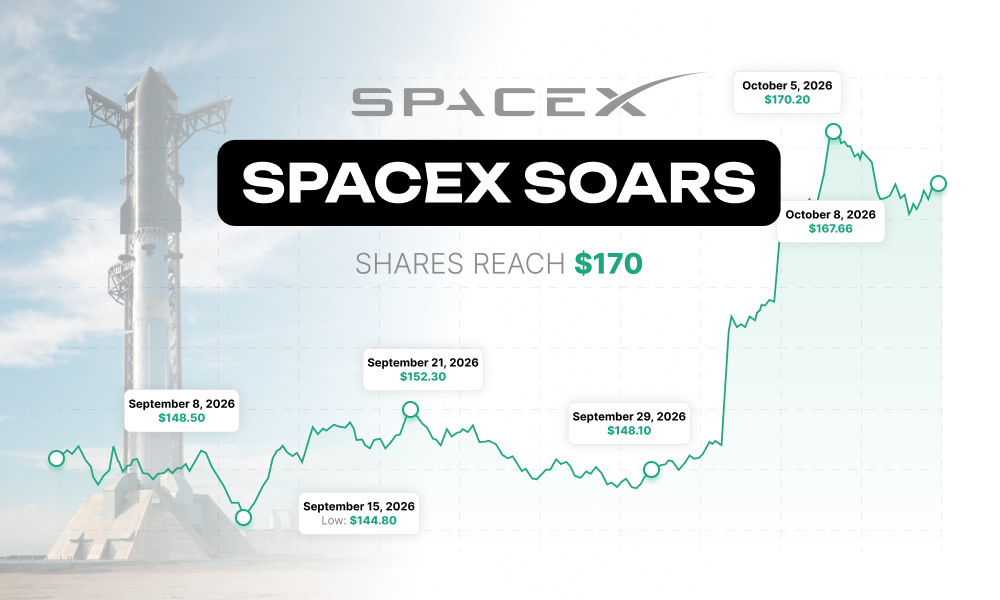
Updated on 8 Oct 2026
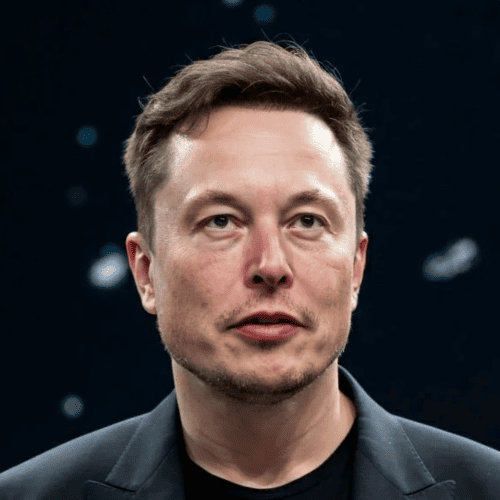
Elon Musk
Founder & CEO
“Our goal is to make life multiplanetary.”
$1,000
Min. investment
Updated on 8 Oct 2026
About the Company
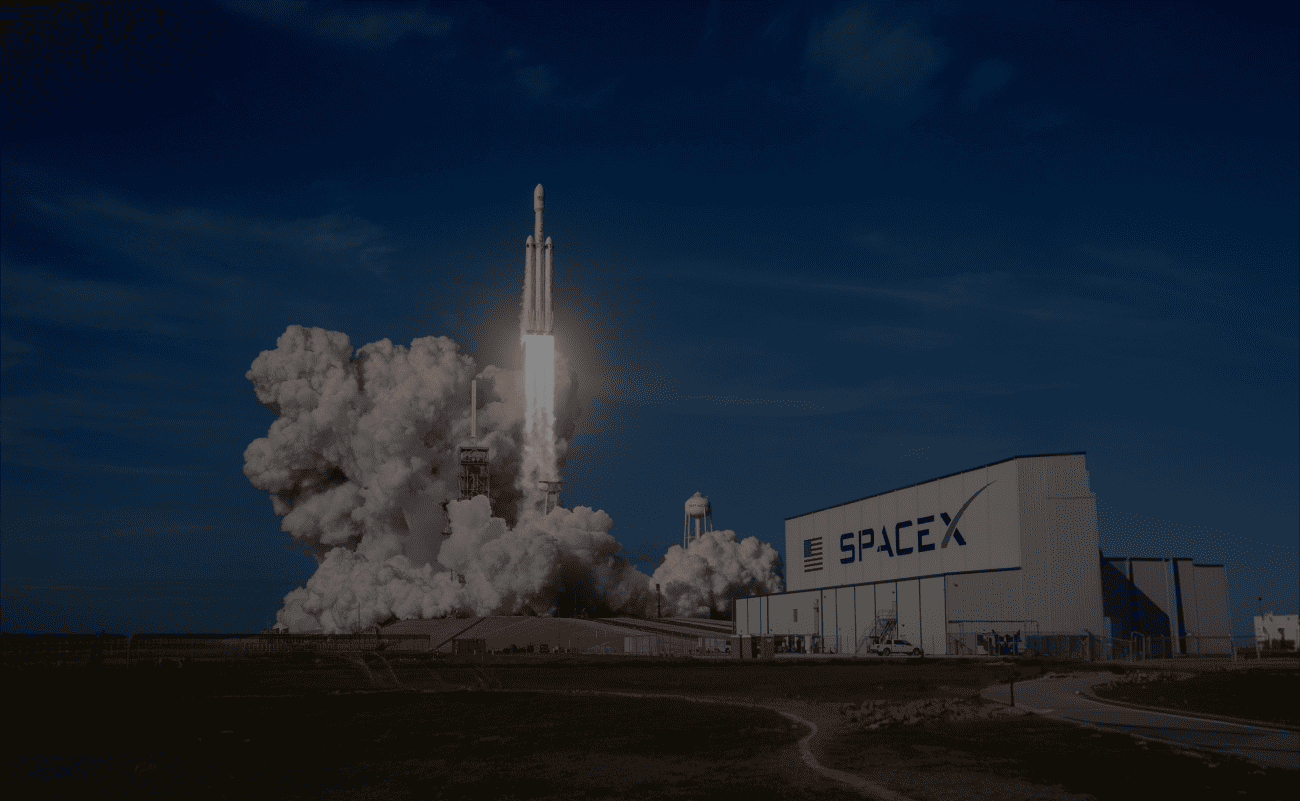
SpaceX is one of the most talked-about private technology companies in the world. Since 2002, under Elon Musk's leadership, it has grown from an ambitious startup into the backbone of the new space economy – commercial launches, Starlink satellite internet, and NASA's Artemis lunar program.
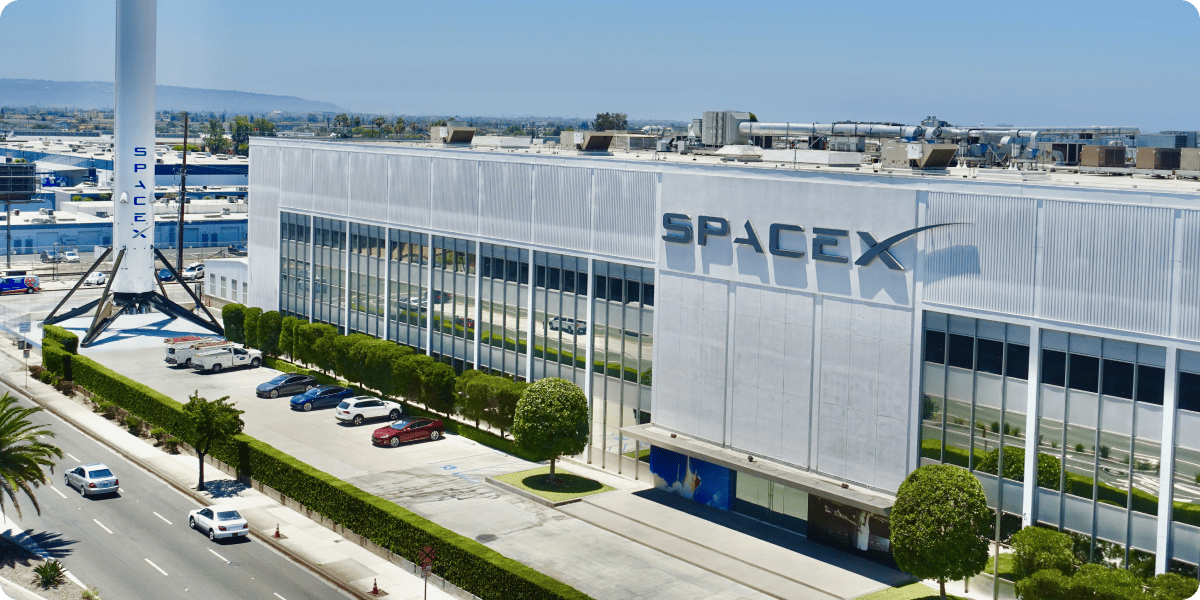
Founded in March 2002 in California, SpaceX is now incorporated in Texas with its headquarters in Starbase – its own private "city of rockets." Over 24 years, the company has completed more than 460 launches, restored America's ability to send astronauts to orbit independently via the Crew Dragon spacecraft, and built Starlink into a network serving 10.3 million users across 164 countries. Since 2023, SpaceX has been responsible for more than 80% of all global payload mass launched into orbit.
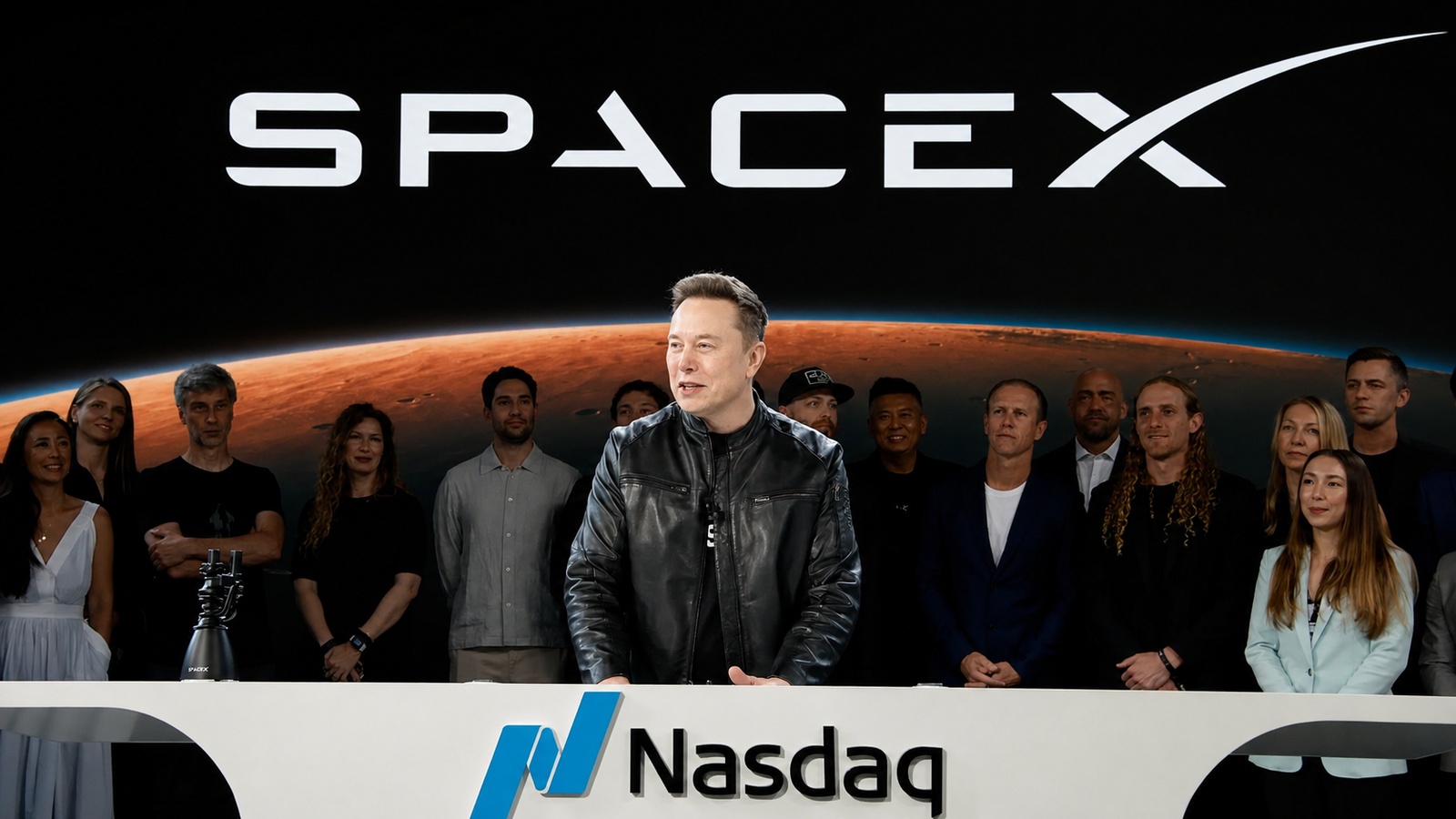
SpaceX filed its public S-1 prospectus with the SEC on 20 May 2026 and plans to list on Nasdaq under the ticker SPCX. The roadshow opens on 4 June, pricing is set for 11 June, and the first trading day is expected on 12 June. The targeted valuation is between $1.75 and $2 trillion, with up to $40–80B in capital raise. The deal is led by 23 banks, with Goldman Sachs, Morgan Stanley, JPMorgan, BofA Securities, and Citigroup as the lead bookrunners. If it prices at the targeted range, this will be the largest IPO in stock market history.
In February 2026, SpaceX absorbed xAI – Musk's AI lab – at a combined deal valuation of $1.25T. The move turned SpaceX from a pure space company into a hybrid "space + AI" player. The S-1 prospectus identifies a total addressable market of $28.5T, with $22.7T tied to AI applications and infrastructure. The company's long-term focus is orbital AI data centers – computing facilities operating above Earth's atmosphere.
Against the backdrop of a reopening IPO market, record interest from sovereign and pension funds, and the growing role of private space companies in global defense, SpaceX is positioned as the most significant technology listing of 2026 – and potentially of the entire decade.
Participation Terms
For fiscal year 2025, SpaceX posted revenue of $18.67B and positive Adjusted EBITDA of $6.58B. The main growth engine is Starlink: $11.39B in revenue (+50% year-over-year) and $4.42B in operating profit at a 39% margin. The company's consolidated operating loss of $2.6B comes entirely from the xAI consolidation – $12.7B of the $20.7B total capital expenditure went directly into the AI segment.
As part of the IPO, up to 30% of the shares will be allocated to retail – three times the standard Wall Street allocation. This is a historic precedent: at the largest IPO in history, up to a third of the deal is being intentionally directed to individuals rather than institutional funds.
After listing, Elon Musk will retain roughly 85.1% of voting power through a dual-class share structure: Class A carries one vote per share, Class B carries ten. SpaceX will officially obtain "controlled company" status under Nasdaq rules.
Beneficiaries of the IPO extend beyond the company itself to the entire adjacent ecosystem: NVIDIA (GPU supply for xAI), Linde (industrial gases for Starship), satellite component manufacturers, and data center operators. By Wall Street estimates, the $75B in fresh capital will trigger a secondary wave of demand across adjacent industries.
Application deadline through Regolith: 11 June 2026, 6:00 PM (UAE).
Key Facts
- Ownership: SpaceX was founded by Elon Musk, who still serves as founder, CEO, Chief Technical Officer, and Chairman of the Board. Major private backers include Fidelity, Google, Founders Fund, ARK Investment Management, Sequoia Capital, and Baillie Gifford. Following the IPO, these funds are expected to partially cash out through a secondary offering while retaining the remainder of their positions.
- Product ecosystem: Falcon 9 – the most reliable rocket in history, with more than 350 consecutive successful launches; the heavy-lift Falcon Heavy; the interplanetary Starship V3 (successfully launched on 22 May); the Crew Dragon spacecraft, which has carried more than 60 astronauts to the ISS; Cargo Dragon for resupply missions; the Starlink network with 9,600 satellites; and Starship HLS, the lunar lander built for NASA's Artemis program. Manufacturing facilities in Hawthorne (California) and Starbase (Texas) ensure full vertical integration.
- Regulatory milestones: SpaceX is the only private U.S. provider of crewed spaceflight certified by NASA for human missions. Starlink is licensed to operate in 164 countries. The company is included in the U.S. Department of Defense's Phase 3 Launch Services Procurement alongside ULA and Blue Origin. In 2025, the FAA granted approval for an expanded Starship launch cadence – up to 25 launches per year.
- Scale: more than 13,000 employees across seven manufacturing and operations sites in the U.S. NASA's Artemis III contract is worth $2.9B, with a separate award for Artemis IV. Total capital expenditure in 2025 reached $20.7B. Since 2002, the company has raised more than $15B in private funding across 30+ rounds.
- IPO use of proceeds: scaling Starship production for NASA's Artemis lunar program and future Mars missions, building out orbital AI data center infrastructure through xAI, expanding Starlink into emerging markets, entering new U.S. and NATO defense and national security segments, and providing partial liquidity for early investors.
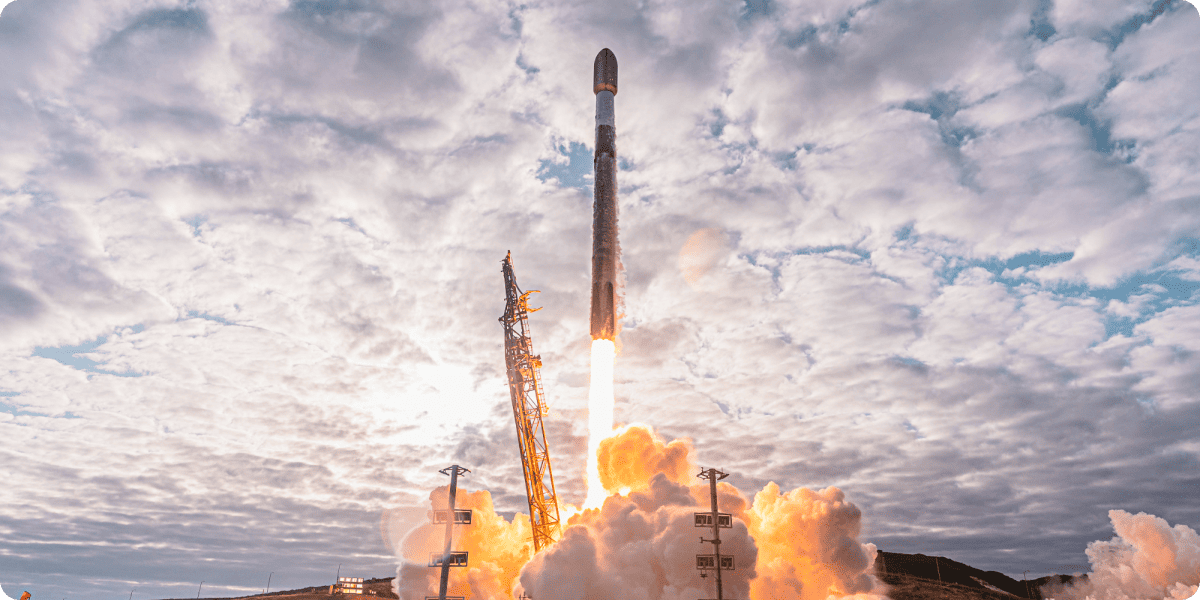
The Founding and Growth of SpaceX
SpaceX emerged from one of the most ambitious ideas in modern technology – to make life multiplanetary. The company was founded in March 2002 by Elon Musk in California, shortly after he sold his stake in PayPal. Over the next two decades, it grew from a startup the rocketry industry refused to take seriously into the dominant commercial player in space.
The early years were a series of failures. The first three Falcon 1 launches ended in disaster, and by 2008 the company was on the verge of bankruptcy. Musk poured nearly all of his remaining capital into it, and on 28 September 2008, the fourth Falcon 1 launch succeeded – SpaceX became the first private company in history to put a liquid-fueled rocket into Earth's orbit. That moment changed the trajectory of the entire industry.
What followed was a series of engineering breakthroughs once considered impossible. In 2012, Cargo Dragon became the first commercial spacecraft to deliver supplies to the ISS. In 2015, SpaceX landed a Falcon 9 first stage on land for the first time – and reused it two years later. That fundamentally rewrote the economics of launch and made SpaceX essentially the default choice for commercial customers. In 2020, the Crew Dragon spacecraft returned America's ability to fly its own astronauts to orbit for the first time in nine years.
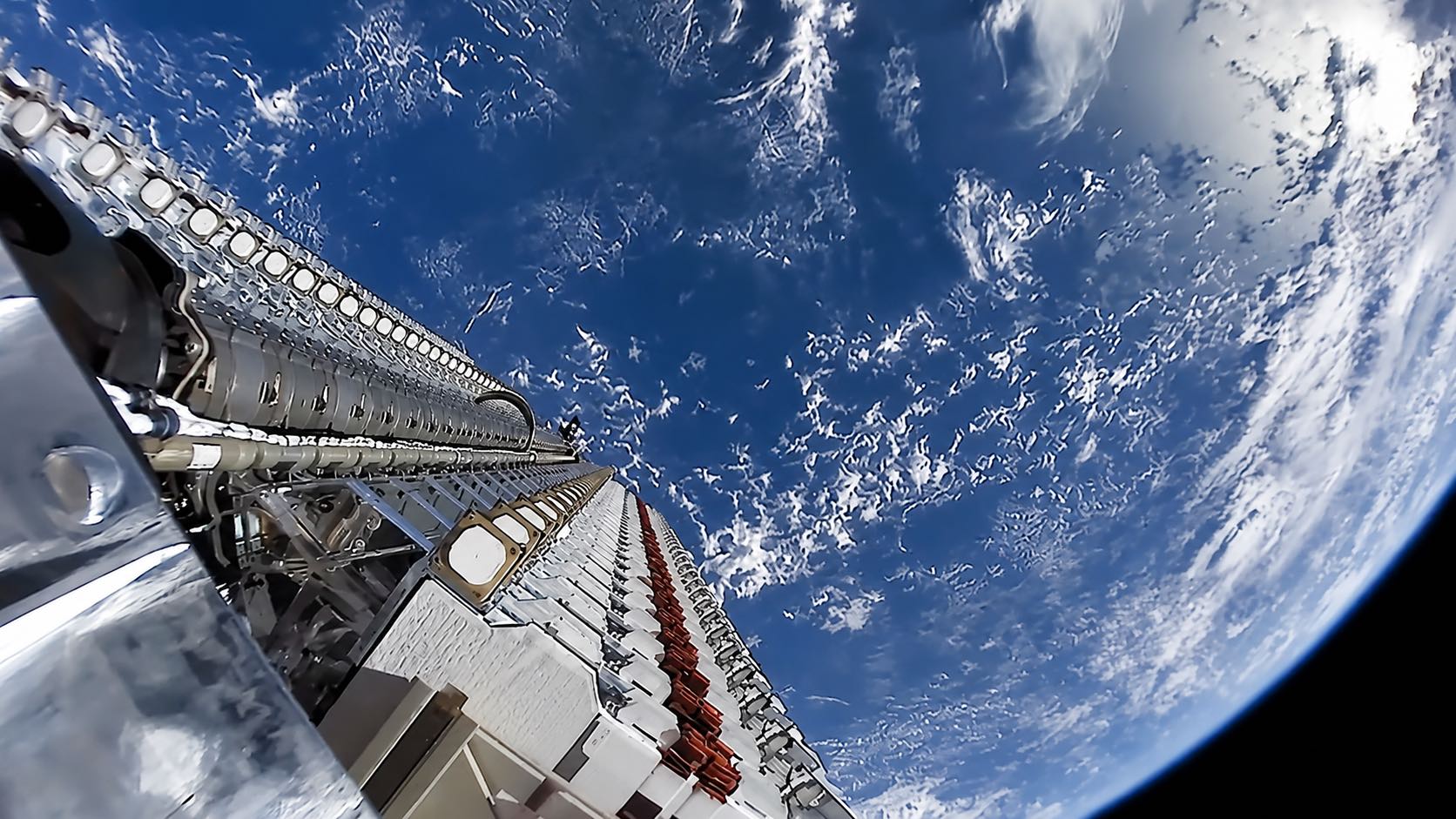
In parallel, the company built one of the most complex engineering systems in history – the global Starlink satellite network. By 2026, this is no longer just space-based internet, but a critical communications backbone for government, military, and retail customers across 164 countries. Starlink became the cash cow that funded the next phase – Starship, the interplanetary rocket designed for lunar and Mars missions, and a major strategic pivot into AI following the xAI consolidation.
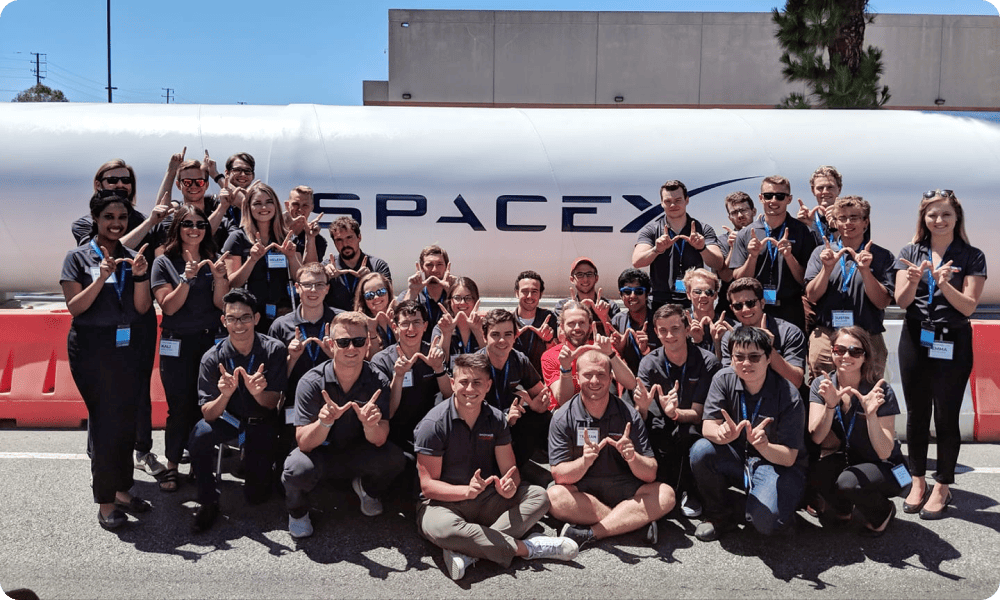
Today, SpaceX is preparing for an IPO with a target valuation of $1.75–2T – potentially the largest public listing in stock market history. The capital raised will be used to scale Starship production, build out orbital AI infrastructure through xAI, and expand Starlink into new regions. The company identifies a total addressable market of $28.5T – one of the most ambitious S-1 positioning statements ever filed by a technology company.
SpaceX is an example of how an obsessive engineering culture, a bet on vertical integration, and a willingness to repeatedly rewrite the rules of an industry can turn a near-bankrupt startup into a company potentially capable of becoming the most valuable public structure in the world.
Frequently Asked Questions (FAQ)
1. What is an IPO?
An IPO (Initial Public Offering) is when a private company lists its shares on a stock exchange for the first time to raise capital from investors. From that point onward, the company’s shares can be freely bought and sold on the open market.
2. Where are IPOs conducted?
IPOs take place on the world’s largest stock exchanges. In the U.S., the primary venues are the NYSE (New York Stock Exchange) and NASDAQ. Once a company goes public, its shares are freely traded on these exchanges, and the market price is established after the offering.
3. What is allocation?
Allocation (from “allocation” – distribution) refers to the process of distributing resources, assets, or capital for maximum efficiency. In investing, allocation usually means distributing the available amount of shares among investors in an IPO or private placement.
4. How much allocation does an investor receive?
The allocation size is determined by the terms of each specific offering and typically ranges from 2% to 30% of the submitted application amount. In some cases, the allocation may reach 100%. In rare instances, no allocation may be granted – in that case, the full amount of the application is returned to the investor’s account and becomes available for reinvestment or withdrawal. Information on the actual allocation volume is usually provided about one day before the IPO, approximately six hours prior to the transaction.
Example — Bullish IPO (Aug 13, 2025):
An investor placed an order for $10,000. The allocation was 29.6%, meaning $2,960 was invested in the IPO. The remaining $7,040, including the purchase commission, was refunded to the balance and became available for withdrawal.Klarna IPO (Sept 10, 2025):
An investor placed an order for $10,000. The allocation was 14%, meaning $1,400 was invested in the IPO. The remaining $8,600, including the purchase commission, was refunded to the balance and became available for withdrawal.Figure IPO (Sept 11, 2025):
An investor placed an order for $10,000. The allocation was 16%, meaning $1,600 was invested in the IPO. The remaining $8,400, including the purchase commission, was refunded to the balance and became available for withdrawal.Gemini IPO (Sept 12, 2025):
An investor placed an order for $10,000. The allocation was 29%, meaning $2,900 was invested in the IPO. The remaining $7,100, including the purchase commission, was refunded to the balance and became available for withdrawal.Legence IPO (Sept 12, 2025):
An investor placed an order for $10,000. The allocation was 78%, meaning $7,800 was invested in the IPO. The remaining $2,200, including the purchase commission, was refunded to the balance and became available for withdrawal.Black Rock Coffee Bar IPO (Sept 12, 2025):
An investor placed an order for $10,000. The allocation was 68%, meaning $6,800 was invested in the IPO. The remaining $3,200, including the purchase commission, was refunded to the balance and became available for withdrawal.
5. Why do companies go public?
To raise growth capital, increase brand visibility, and provide early investors and employees with an opportunity to sell part of their shares.
6. How is participating in an IPO different from buying shares on the exchange?
When you participate in an IPO, you buy shares before they start trading publicly. This provides an opportunity to purchase at the fixed offering price but also carries the risk that the price may drop once trading begins.
7. What do I get by participating in an IPO through Regolith?
You become an investor in the company at the IPO stage via our U.S. partner infrastructure. After the transaction is completed and the lock-up period expires, profits from the share sale are distributed among investors proportionally to their stake in the deal.
8. What is a lock-up period and how long does it last?
A lock-up period is a timeframe set by the issuer and underwriters during which shares cannot be sold. For IPOs offered through our platform, this period is 93 days. Once it ends, the shares are sold on the exchange and proceeds are distributed among investors.
9. How is participating through the platform different from buying shares independently?
To buy independently, you would need access to a U.S. broker, a significant investment amount, and approval from underwriters. The platform pools capital from investors, providing access to IPOs that are otherwise unavailable to most individuals.
10. Through whom is IPO participation carried out?
We operate through a U.S.-based structure that works with a licensed broker in the U.S. Our partner selects promising IPOs and participates in the offering under its own name.
11. How is the deal structured legally?
An investor signs an agreement/offer to participate in the investment product. Regolith then transfers funds to its partner entity – Wealthy Labs Limited (the provider), which enters into a forward contract with the broker and executes all operational activities. The provider delivers the financial outcome to Regolith, which then distributes proceeds among investors.
12. Is there a minimum investment amount?
Yes. Each IPO has a defined minimum entry threshold, shown on the offering page. On average, Regolith provides access starting from $1000.
13. Do I receive shares into my personal brokerage account?
No. Shares are purchased and held in the partner’s brokerage account. After the lock-up period, the broker sells the shares and transfers proceeds for distribution among investors.
14. Can shares be transferred directly to my brokerage account?
No. Participation is structured via a forward contract with the partner’s brokerage infrastructure. The deal is executed on behalf of the partner, and settlements with investors are carried out through the platform.
15. How can I sell my shares after the IPO?
Sales are processed automatically: once the lock-up expires, the partner broker sells the shares on the exchange, and proceeds are distributed proportionally among investors.
16. What are the risks of investing in IPOs?
IPOs are high-risk investments. While they may offer high returns, they also carry significant volatility. Share prices on the first trading day – and after the lock-up – can fluctuate sharply. There is a risk that the market price will fall below the offering price. In addition, macroeconomic and sector-specific factors can affect outcomes.
17. Can I know in advance how much I will earn?
IPO returns are not guaranteed. The final result depends on the share price at the time of sale after the lock-up, overall market conditions, and the company’s performance.
18. How can I verify that Regolith participates in IPOs?
We publish all available deal information in the client dashboard. Additionally, we provide an agreement disclosing the infrastructure used for transactions. Broker and partner documents are not shared, as they contain confidential data protected by contractual obligations.
Elon Musk
Founder & CEO
“Our goal is to make life multiplanetary.”
Details
Ticker
SPCXExchange
NASDAQIPO Price
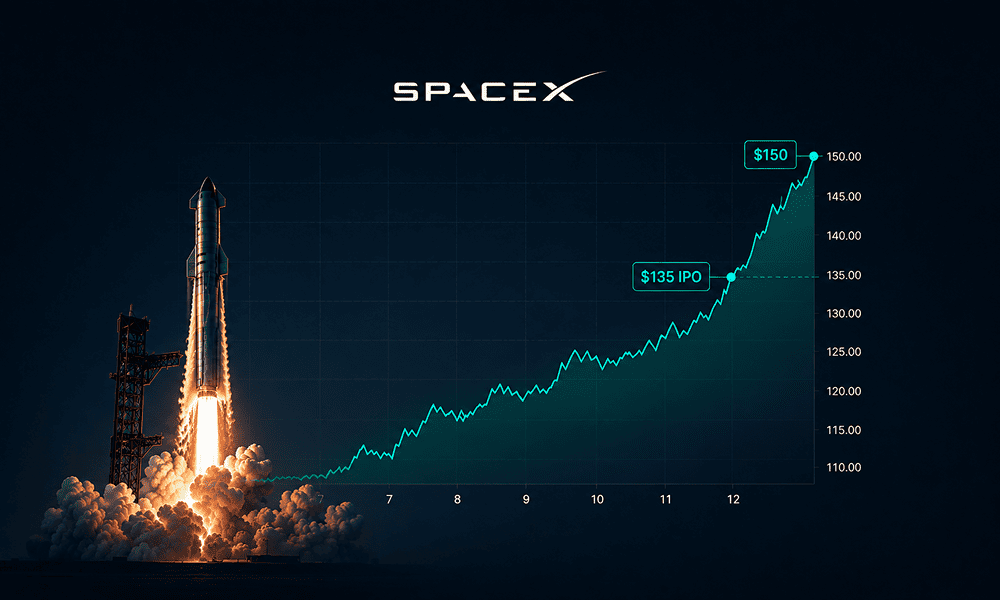
$135Offering Size
~$75BIPO Valuation
~$1.77TShares Offered
555.6MUnderwriters
Goldman Sachs, Morgan Stanley, JPMorgan, BofA Securities, Citigroup, and othersIPO Date
12 Jun 2026Submit by
11 Jun 2026, 6:00 PM (UAE)Terms
Deal Fee
5%Carried Interest
30%Risk potentinal
Very HighLock-up period
93 daysRelated news
SpaceX
Space launches, connectivity, and AI
Updated on 8 Oct 2026
Elon Musk
Founder & CEO
“Our goal is to make life multiplanetary.”
$1,000
Min. investment
